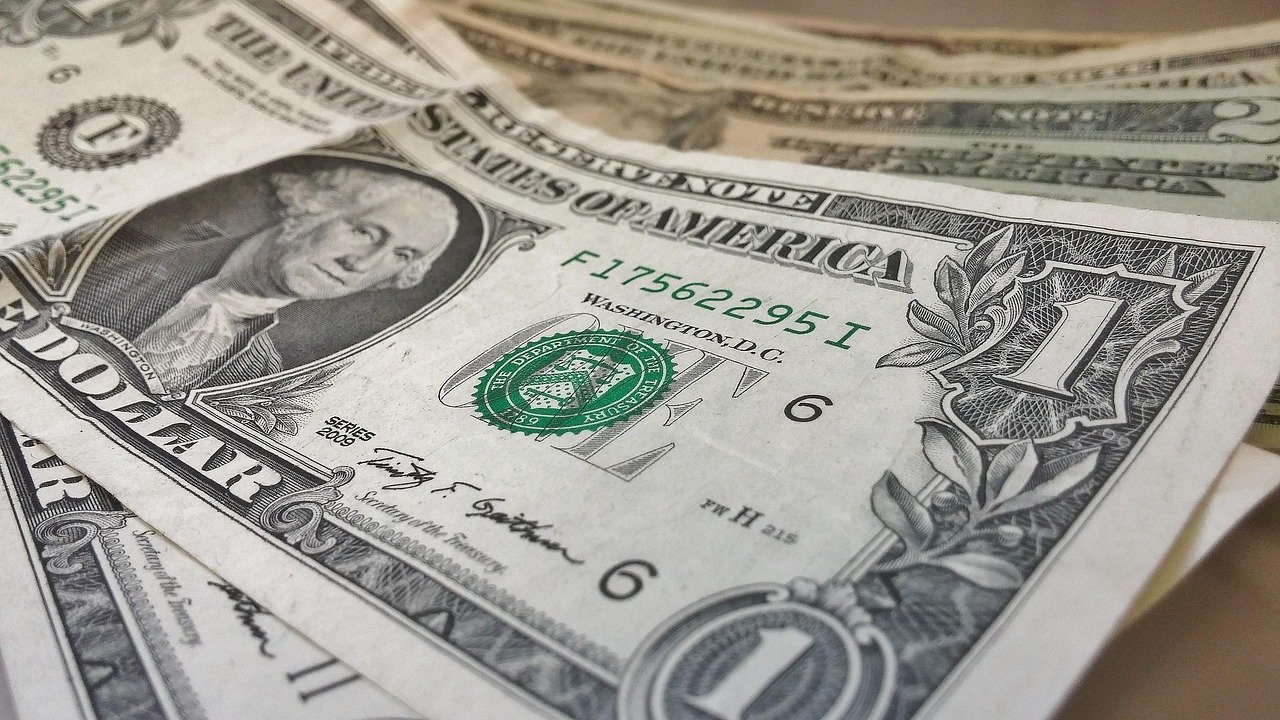
The U.S. dollar strengthened across Asian markets on Monday as growing tensions between the United States and Iran fueled fears of prolonged disruption in the Strait of Hormuz, a critical global oil shipping route. Investors turned to the dollar as a safe-haven asset while crude oil prices surged sharply amid concerns over energy supply shortages.
Market sentiment weakened after U.S. President Donald Trump dismissed Iran’s response to Washington’s proposed peace negotiations, calling Tehran’s conditions “totally unacceptable.” Iranian officials reportedly demanded an end to military operations, sanctions relief, financial reparations, and recognition of Iran’s authority over the Strait of Hormuz before entering further talks.
The ongoing Middle East conflict, now stretching into its 11th week, has effectively shut down the Strait of Hormuz since late February. The strategic waterway typically handles nearly 20% of global oil and gas shipments, making any disruption highly significant for international energy markets.
Brent crude futures jumped 4.3% to $105.47 per barrel during Asian trading, while U.S. West Texas Intermediate crude climbed 4.7% to $99.92 per barrel. Analysts warned that if the shutdown continues, energy markets could face even greater operational stress in the coming weeks.
Currency markets reflected rising uncertainty. The dollar gained 0.33% against the Japanese yen, trading at 157.16 yen, while the euro slipped 0.24% to $1.1757. Japan and Europe remain vulnerable due to their heavy reliance on imported energy, unlike the United States, which is a net oil exporter.
Meanwhile, Asian stock markets delivered mixed performances. South Korea’s KOSPI surged 4% thanks to gains in semiconductor and AI-related stocks, while China’s CSI300 advanced 1.4%. Japan’s Nikkei index fell 0.36%, and Hong Kong’s Hang Seng dipped 0.3%.
Investors are also closely watching upcoming talks between Trump and Chinese President Xi Jinping later this week, where trade, artificial intelligence, Taiwan, and energy security are expected to dominate discussions.