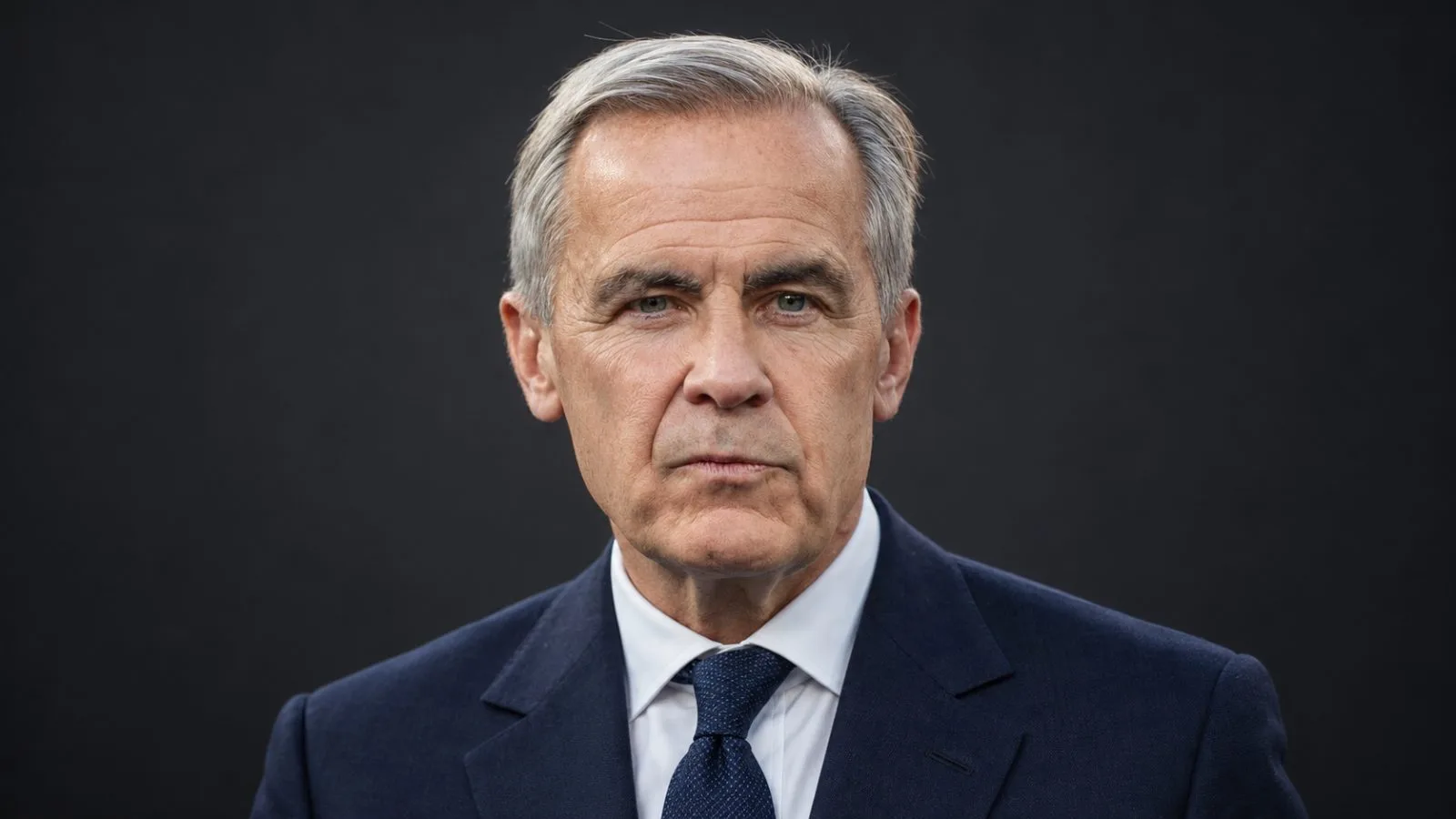
Accounts of an Oct. 26 meeting on the Indian Act diverged after Prime Minister Mark Carney backed a process to move beyond the law and the Assembly of First Nations (AFN) disputed who raised abolition.
The Prime Minister’s Office said nearly 200 First Nations chiefs and leaders attended the Ottawa gathering, where those present considered whether the law should be changed or repealed. Carney said Manitoba Premier Wab Kinew had raised the question and that he would ask federal ministers to develop a way forward with First Nations.
An Oct. 27 AFN statement said Kinew had tabled a proposal to examine alternatives to the Act. AFN National Chief Cindy Woodhouse Nepinak said it “did not come from the AFN or Chiefs from our delegation.”
The Canadian Press reported Nov. 3 that Woodhouse Nepinak said only Carney and Kinew discussed abolition. The outlet also reported that Carney said other people at the gathering raised whether repeal was desirable. A spokesperson for Indigenous Services Minister Mandy Gull-Masty told The Canadian Press that others besides Kinew raised the possibility of reforming or removing the Act, but declined to provide more detail about the closed-door meeting.
The AFN has said attendance at the one-day gathering was limited and not every chief could speak. The meeting also covered First Nations’ role in developing and operating major infrastructure and sharing its economic returns. The government cited revenue-sharing options, including a possible First Nations sovereign wealth fund, as part of a broader effort to change federal relations with First Nations.
Created in 1876, the Act sets who qualifies for registration and addresses band membership, governance, land and natural resources. A federal historical publication says First Nations opposed a 1969 proposal to repeal it, which the government shelved in 1970. Carney said he would ask ministers to develop a path with First Nations but gave no timetable.