Smaller economies can help shape trade rules despite tensions between the United States and China by advancing agreements that others find useful, the Asia-Pacific Economic Cooperation forum's executive director said.
The grouping gives members beyond its two largest economies room to pursue initiatives and develop rules that other members may choose to use. Existing agreements offer a way for cooperation to continue despite economic fragmentation.
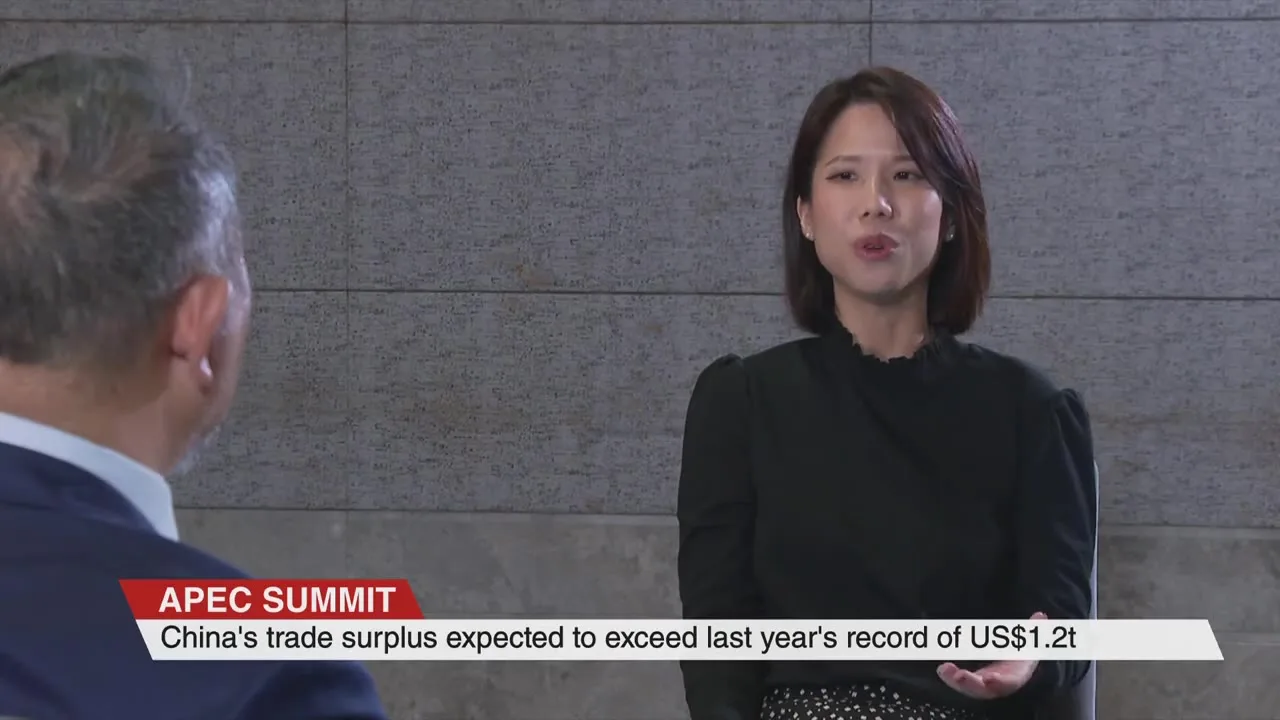
In CNA's “Finding common ground: APEC chief on trade, AI and global tensions,” published Nov. 16, the executive director described regional agreements as a route to cooperation ahead of the summit in Shenzhen, China.
“Those economies have agency within APEC,” he said. Initiatives in Southeast Asia and trade agreements elsewhere can establish rules that larger economies, including the United States and China, find useful.
He described APEC as a place for those discussions, then turned to efforts to make supply chains less vulnerable to disruption. The immediate focus is on reducing difficulties that affect businesses and consumers.
Disruption to oil shipments through the Strait of Hormuz was one example. Bringing governments and businesses together offers a way to identify obstacles and find ways to reduce them.
That work includes making different systems work together across economies, an approach he described as a recurring theme in APEC discussions. He did not set out a timetable for a wider regional free trade agreement.
On economic imbalances, he described a global problem involving all economies, rather than a dispute between two countries. Some economies save more for reasons linked to social protection, pensions and healthcare, while others consume more.
The task is to find how those different patterns can fit together in a way that supports global stability. APEC finance ministers had called for greater transparency, discussion and cooperation on the issue.
He described that language as new for the ministers and said discussions about what the organisation could do would continue over the coming years. He gave no specific measures or deadlines for reducing the imbalances.
Technology is also a priority for the forthcoming meetings, although proposed outcomes are still being drafted. Financing wider access to digital technology is one area of agreement, with members seeking to prevent new gaps in access.
Energy is another area for cooperation because artificial intelligence requires power that is not equally available across economies. A further focus is using the technology to improve food production and make food systems more reliable.
China and the United States have the most active AI development, but smaller economies and smaller businesses are also entering its supply chains. Their participation brings more perspectives into the discussions, he said.