Indonesia used Exercise Trident Resolve to test how local emergency requests would reach multinational responders, a coordination task for militaries and civilian agencies preparing to work together after a disaster.
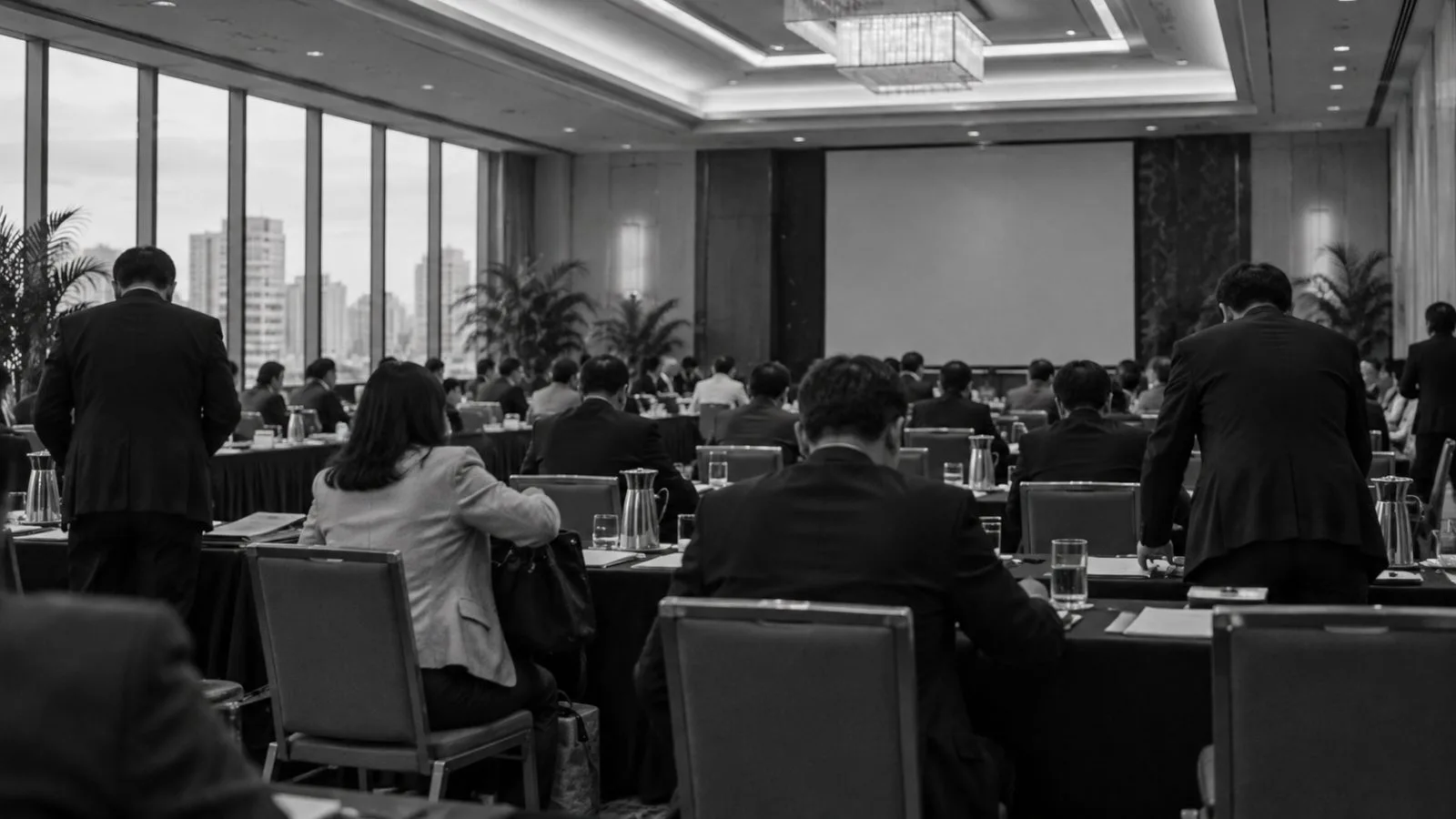
Indonesia hosted the Sept. 20-26 drill in Banten, and six countries jointly organized it. Singapore’s Ministry of Defence said about 2,200 participants came from the militaries of all 19 countries in the Association of Southeast Asian Nations (ASEAN) Defence Ministers’ Meeting-Plus forum and from civilian agencies. Banten’s government said the simulated emergency combined an earthquake, an eruption of Mount Anak Krakatau and a tsunami.
Singapore’s ministry described the drill as the forum’s largest exercise by personnel in a decade. It was the first combined field training exercise involving its three expert working groups on disaster relief, military medicine and cyber security. At seven sites and at sea, teams practiced rescue, medical care, infrastructure repair and protection of response information systems.
The New Zealand Defence Force said requests from a local emergency authority went through the multinational center. In a real disaster, the ASEAN Agreement on Disaster Management and Emergency Response (AADMER) requires the affected country to request or accept outside help and gives it authority over the response on its territory. The ASEAN Coordinating Centre for Humanitarian Assistance on disaster management says each assisting party pays for the aid it provides.
Lim Junli and Ian Li, research fellows at the S. Rajaratnam School of International Studies, argued in a CNA commentary that differing military procedures and communications can impede joint relief. They said the exercise demonstrated ASEAN’s ability to bring partners together despite wider political tensions. Singapore’s ministry listed China, Russia and the United States among the participating countries.
Residents received health services during the drill, and teams carried out infrastructure work in local communities. New Zealand engineers helped build a medical facility that was later handed over to Tentara Nasional Indonesia, Indonesia’s armed forces. Banten’s government cited the 2018 Sunda Strait tsunami as a reason to strengthen preparedness.
The AADMER Work Programme 2026-2030 calls for stronger exercises for large-scale emergencies and improvements to emergency telecommunications.