Foreign ministers from the Association of Southeast Asian Nations (ASEAN) and key global partners are meeting in Manila this week as rising geopolitical tensions threaten to overshadow the regional diplomatic agenda. The gathering comes amid renewed U.S.-Iran conflict, ongoing disputes in the South China Sea, and ASEAN's stalled efforts to resolve Myanmar's civil war.
The escalating confrontation between Washington and Tehran is expected to be a major topic, with concerns growing over potential disruptions to global energy supplies through the Strait of Hormuz, rising inflation, and slower economic growth. Philippine officials said the issue is likely to be discussed extensively during the meetings due to its broad impact on regional stability.
ASEAN foreign ministers will also hold an informal consultation on Myanmar, where the bloc's peace initiative has made little progress since the military coup five years ago. The conflict has reportedly claimed around 100,000 lives, underscoring the challenges facing ASEAN's diplomatic efforts.
Maritime security remains another key focus. ASEAN and China are still negotiating a long-delayed South China Sea code of conduct intended to prevent territorial disputes from escalating. Tensions intensified after the Philippines accused China's Coast Guard of striking a Philippine navy serviceman with a baton near the disputed Second Thomas Shoal. Beijing rejected the allegation, calling it false.
The U.S. State Department condemned China's actions as dangerous and accused Beijing of continuing a pattern of aggressive behavior against lawful Philippine maritime operations.
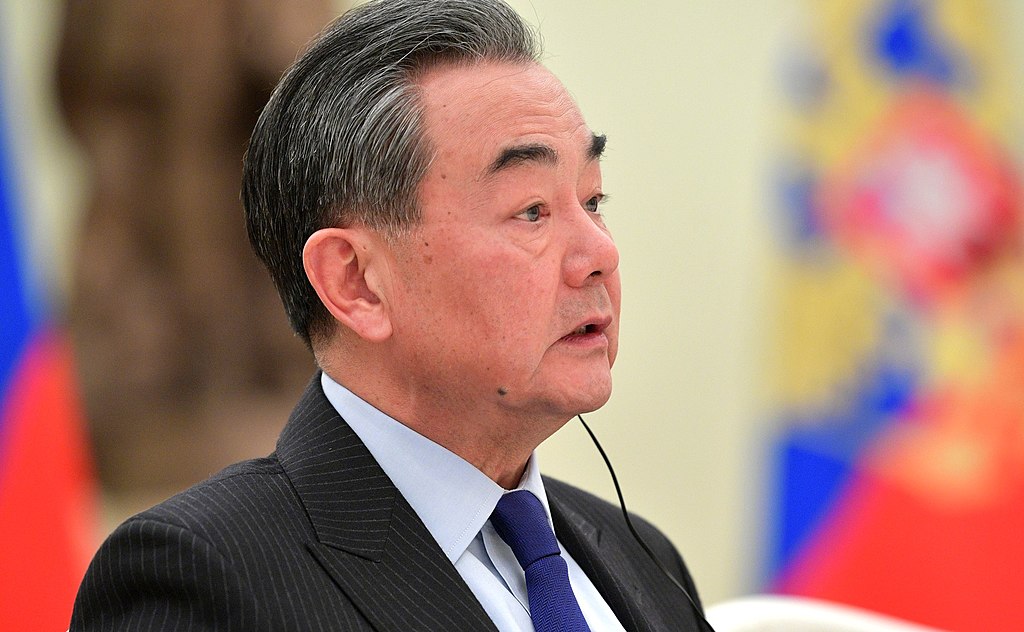
U.S. Secretary of State Marco Rubio and Chinese Foreign Minister Wang Yi are expected to attend the ASEAN-led meetings and could hold talks on the sidelines. In an opinion article published before the summit, Rubio reaffirmed Washington's commitment to freedom of navigation and warned against any power using maritime trade routes as geopolitical leverage. He also reiterated U.S. support for the 2016 international arbitration ruling that rejected China's sweeping South China Sea claims, a decision Beijing continues to reject.
Meanwhile, Australia announced an additional $6.7 million in funding to strengthen the Philippine Coast Guard's maritime surveillance capabilities through advanced drone technology, including long-range and underwater systems, along with specialized training.