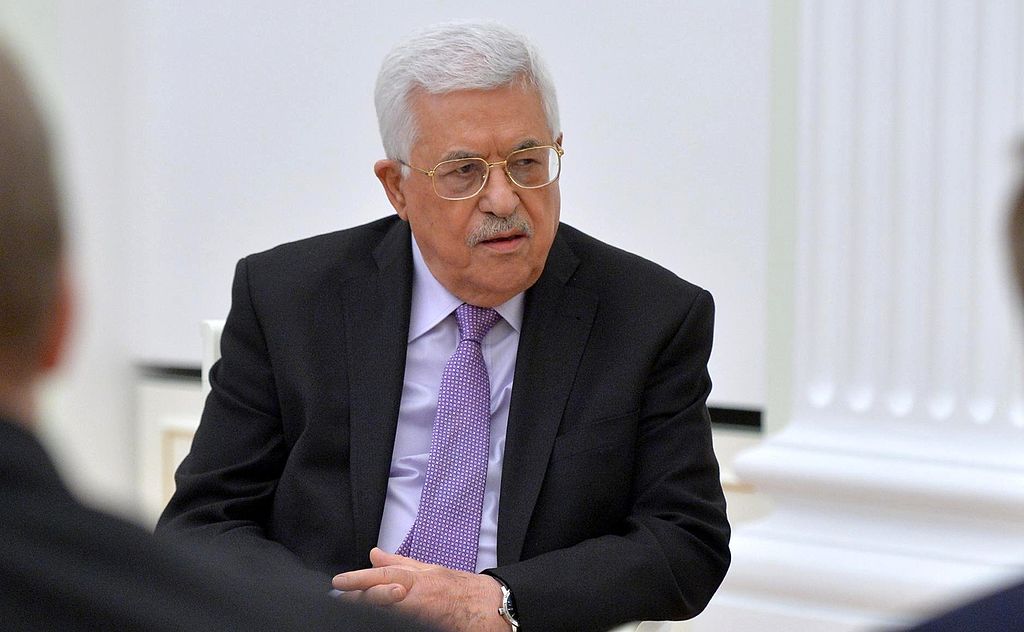
Palestinian President Mahmoud Abbas reaffirmed plans to hold legislative elections on November 28, potentially marking the first Palestinian parliamentary vote in two decades, even as political and logistical obstacles raise doubts over whether the election will proceed.
In a pre-recorded address to the United Nations General Assembly from Ramallah in the Israeli-occupied West Bank, Abbas said the Palestinian Authority had completed a national reform program and was moving ahead with the planned vote.
Abbas, 90, has faced international pressure, including from the United States, to address governance and corruption concerns. Palestinians have not held legislative or presidential elections since 2005-06. Hamas later seized control of Gaza after fighting with Abbas' Fatah movement.
France has urged Palestinian authorities to proceed with both legislative and presidential elections. French Foreign Minister Jean-Noel Barrot said Paris would continue pressing Abbas to honor previous commitments to hold elections and has supported preparations for EU election observers.
However, significant uncertainty remains. Some Fatah officials have called for dialogue with other Palestinian factions before voting, while others have cited Israeli restrictions on bringing election materials into Gaza. Fatah has also yet to announce its candidate list. The Palestinian Central Election Commission is preparing to receive candidate applications.
Hamas said it intends to participate and has discussed forming a coalition with other groups to challenge Fatah, including allies of former Fatah leader Mohammad Dahlan.
Abbas also criticized U.S. restrictions that prevented him and other Palestinian officials from attending the UN gathering in person. Washington has said the measures relate to Palestinian efforts to pursue actions against Israel through international institutions.
Calling the restrictions unlawful, Abbas urged Washington to lift them, resume dialogue and support efforts toward a two-state solution.
He also warned that expanding Israeli settlements in the West Bank, including East Jerusalem, were fragmenting Palestinian territory and threatening prospects for Palestinian statehood. Abbas said 160 countries had recognized the State of Palestine and called on remaining governments to follow suit.