As drought strains Afghan farming, olive growers in Nangarhar are expanding a cash crop that supports local jobs, while banking isolation limits access to overseas buyers.
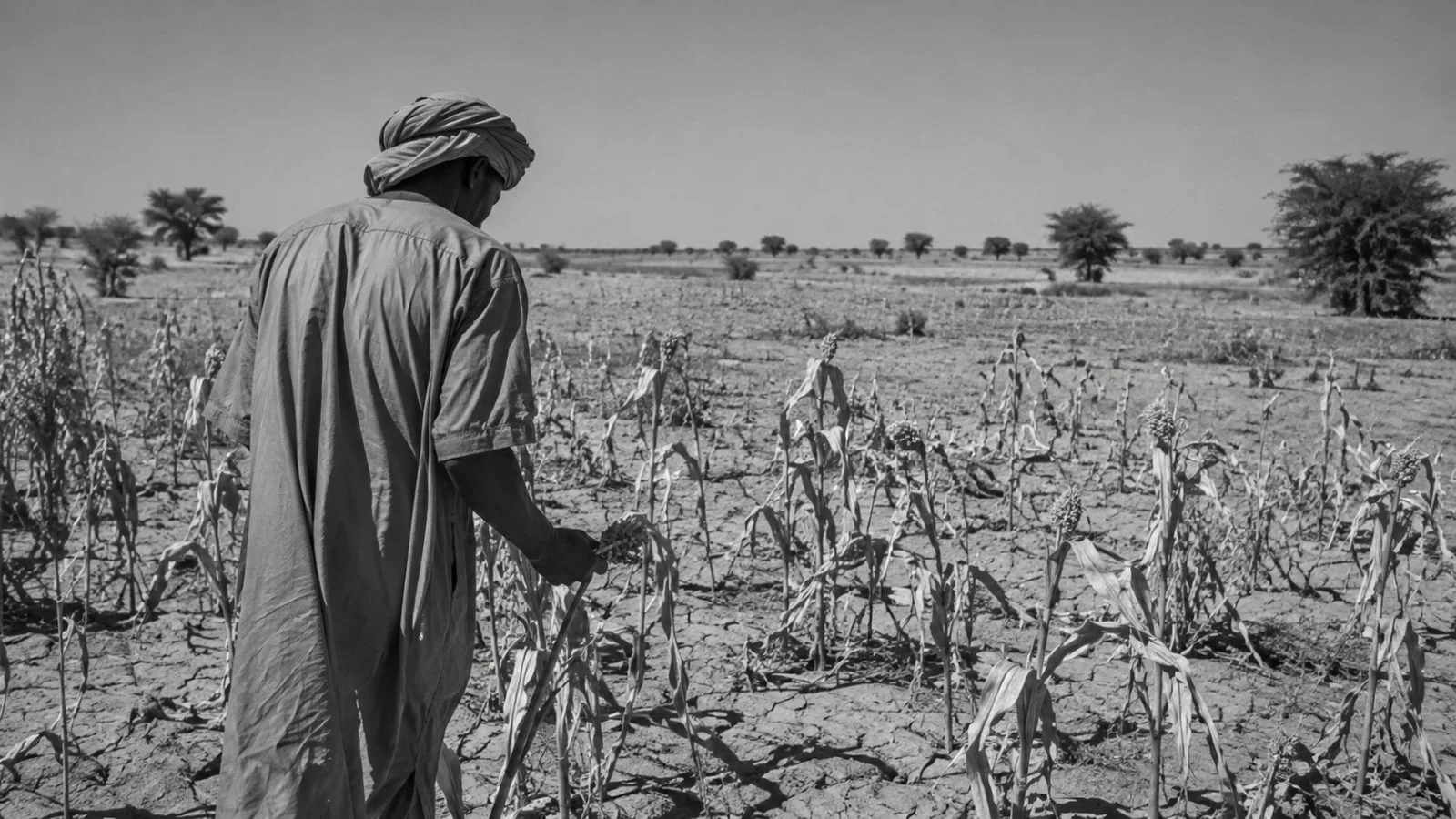
According to the United Nations (UN), more than half of Afghanistan's population is affected by drought and a lack of water. A June UN press release said farmers in Nangarhar province face crop failures and competition over shrinking water supplies.
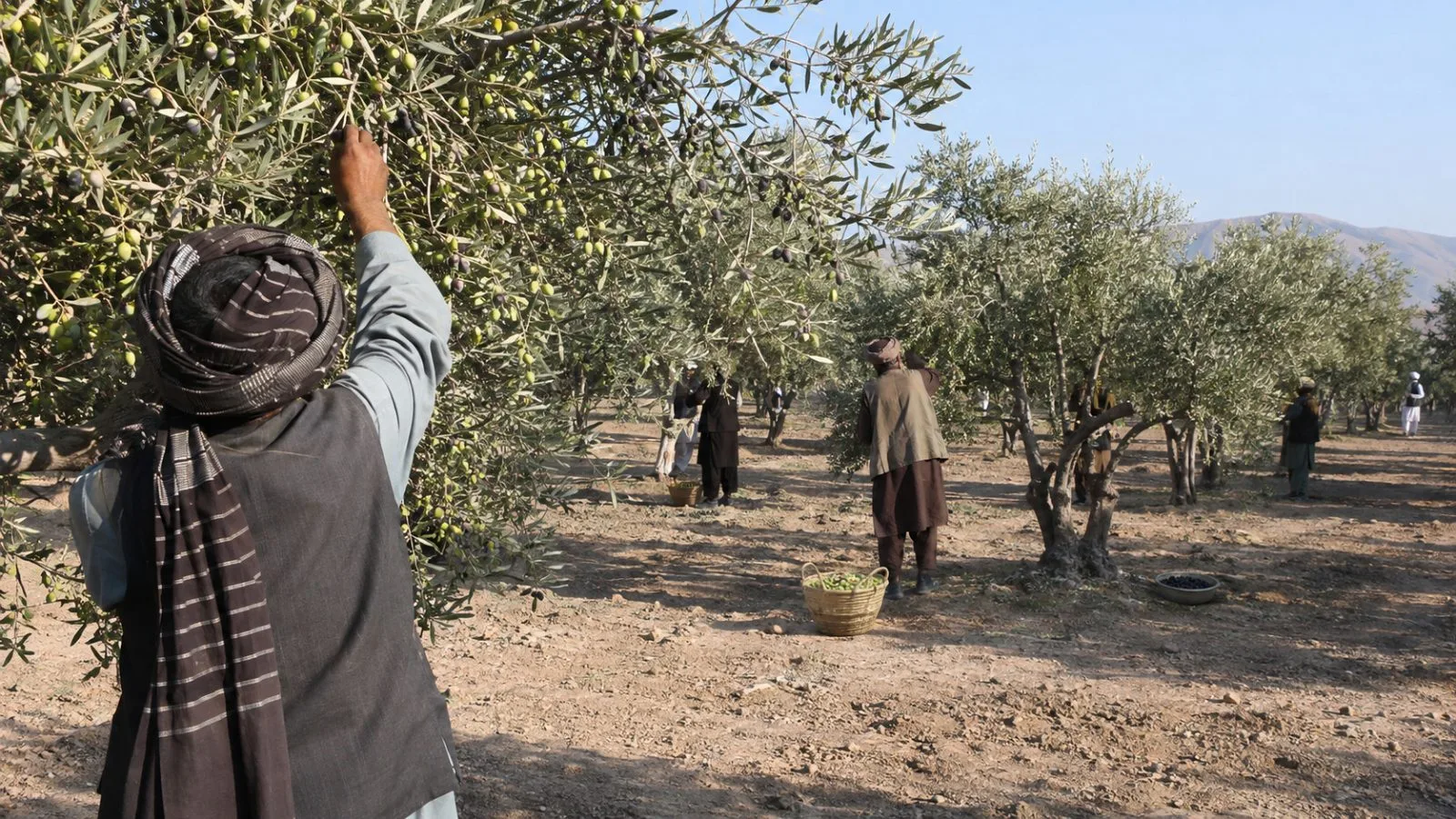
Production supervisor Sadiqullah Afghan, 29, said olives require less water than wheat, rice or onions. “Olive trees don't need a lot of water,” he told AFP.
The village's 500 residents harvest their organic olives by hand, then press the fruit at an experimental cold-press mill, AFP reported. Shops selling organic products in Kabul pay up to $17 per kilogram for the oil, the report said.
Abdullah Orzala began cultivating olives on family land in Saidan Arabi about 15 years ago. He has since established thousands of additional trees in another Nangarhar village; together, the two locations have 16 permanent jobs, AFP reported.
The United Nations Food and Agriculture Organization (FAO) has planted olive groves across 381 hectares, saying they can create long-term income opportunities for rural families.
AFP reported that Afghanistan’s state-owned mill produced 135,000 liters of oil in 2025 and employs about 70 people. Mill director Akhtar Muhammad Hashimi told AFP he expects production to reach 143,000 to 165,000 liters in 2026; all of the mill’s oil is sold in Afghanistan.
Afghanistan’s olive groves date to the 1960s, while a Soviet-built mill began producing oil in 1985, AFP reported. Later wars destroyed nearly half the country’s olive-growing area. The mill received new equipment from Italy in 2019, and Taliban authorities expanded operations after returning to power in 2021, the report said.
AFP reported that banking isolation and diplomatic exclusion obstruct the industry’s access to foreign markets. Hashimi said he hopes the mill will eventually reach international buyers, while Orzala aims to establish a permanent mill and expand sales within Afghanistan and beyond.