The African Group of Negotiators called for an emissions reduction work programme to be extended through 2030 and for a facility to finance projects.
The group wants funding, technology and training to help countries carry out their climate plans. It also said it would not fight for language on moving away from fossil fuels in the main COP31 decision.
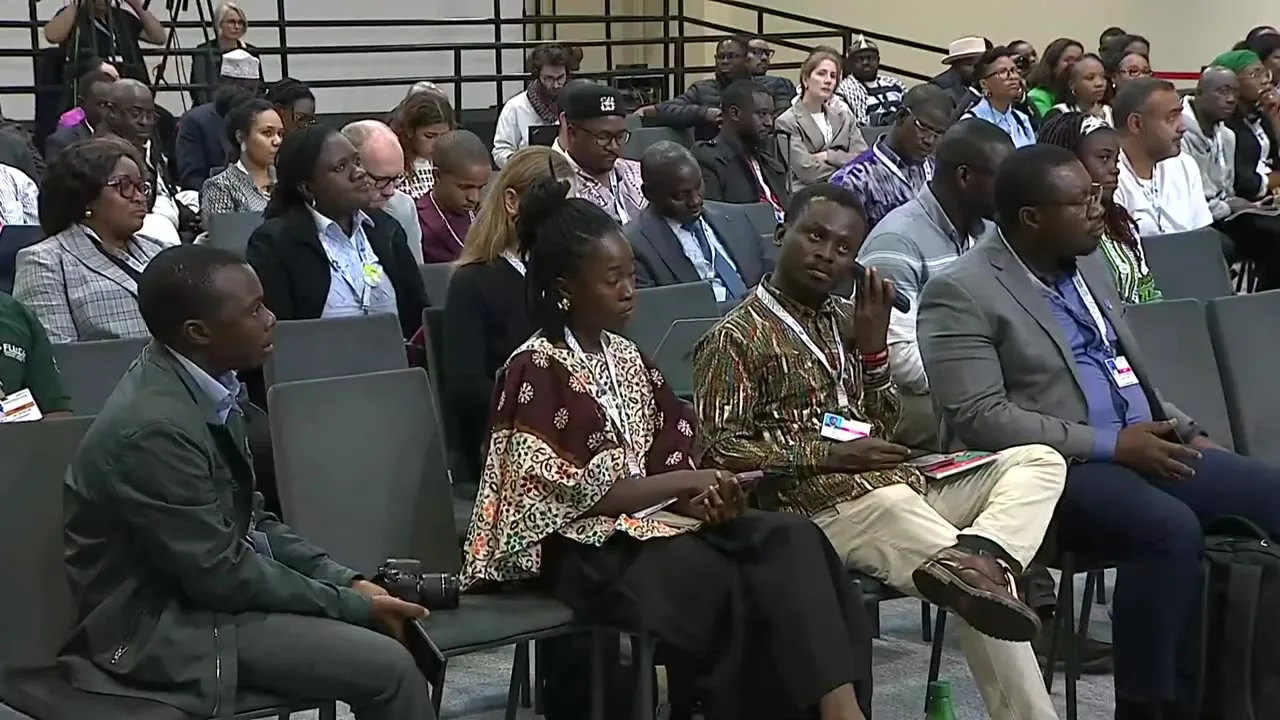
The remarks came at a press conference broadcast by Reuters on Nov. 19. The transcript did not identify the speakers with enough certainty to establish their names and roles.
The group said Africa accounts for 4% of global emissions. It wants the continent to be able to grow its economy, develop cleaner industries and extract critical minerals while reducing emissions.
Extending the work programme through 2030 would keep it aligned with its mandate for the current decade, the representative said. The group also wants the discussions to address an overshoot, when global warming exceeds a temperature limit.
The group said countries should decide for themselves how to use the results of the global stocktake, a periodic assessment of collective progress under the Paris climate agreement, in their national climate plans.
It opposed adding a compliance process to the emissions programme, saying an existing transparency framework was sufficient. Instead, it called for a facility to turn African proposals into financing and projects.
The group's chair said negotiators were still studying the draft main decision and could not yet say whether it reflected their proposals. The chair said the group wanted strong language on tripling finance for adaptation, measures that help countries cope with climate change.
A figure of $120 billion a year would be a good start, the chair said, while adding that the basis for measuring the target needed to be settled. The chair cited differing methods used to account for an earlier $100 billion climate finance commitment.
Another group representative said developing countries wanted any tripling to start from a previously doubled amount, resulting in $120 billion. The representative said adaptation support should come as grants.
A finance representative said negotiators needed to agree on a base year, a baseline, calculation methods and which sources of money would count. The transcript did not establish a deadline for those decisions or specify what share of adaptation funding should be grants.
On fossil fuels, a representative said language on moving away from them was not a group priority. The representative said the issue had not been formally negotiated with safeguards and financing for the transition.
The chair said initiatives from a COP presidency could be included in a political declaration, while the main negotiating process should remain driven by participating countries. The transcript ended before the group answered a further set of questions about the draft.