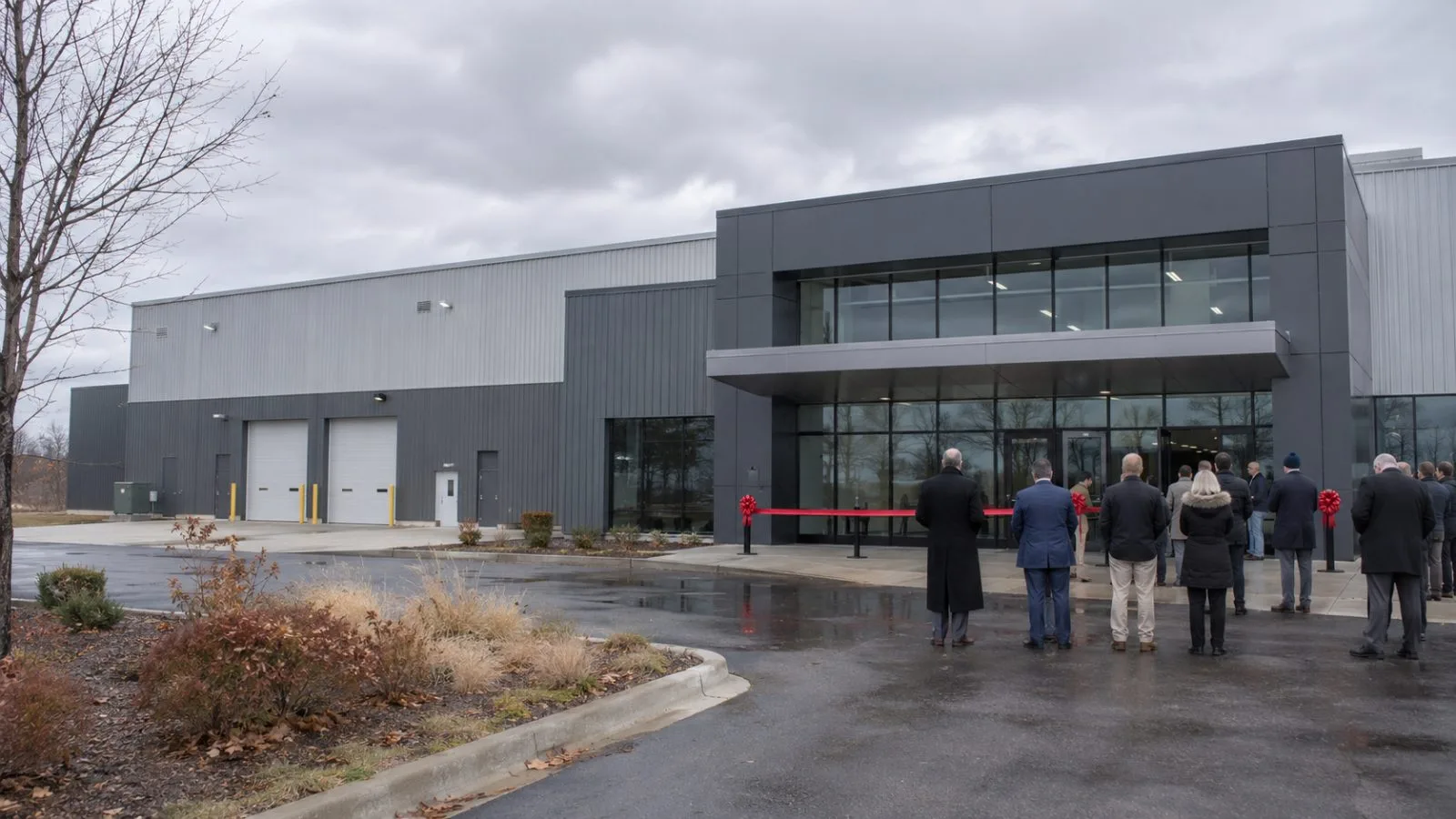
Ainstein opened a Kansas radar-sensor plant with stated capacity for 44,000 sensors a year, expanding U.S. manufacturing as it cites demand from autonomous vehicles and unmanned systems.
The ribbon-cutting ceremony took place Friday, Nov. 13, in Lenexa. The company gave no current production figure or schedule for when the site might reach its stated capacity.
Ainstein said the facility is intended to meet demand across autonomous vehicles, unmanned systems and commercial applications. The company also cited customer requests for greater output and faster deliveries, and said the site would strengthen supply-chain resilience.
Ainstein says the new space will help it serve growing customer programs and fleets. It also says unmanned-aircraft programs increasingly seek locally made sensors in larger volumes, a reason it gives for expanding production in Kansas.
The company describes its products as millimeter-wave radar sensors. It says they support safety and autonomous functions in unmanned aircraft, construction and agricultural equipment, and commercial fleets. Ainstein’s website also lists autonomous drones, advanced driver-assistance systems, specialty vehicles and industrial sensing among the applications. Its product list includes sensors operating at 24 GHz, 60 GHz and 76–81 GHz.
Founded in Lawrence, Kansas, in 2015, Ainstein remains headquartered there. The company is backed by Doosan Bobcat, and the Lenexa site is its new production facility, according to Ainstein.
The company’s announcement said more than 150,000 Ainstein sensors had been deployed worldwide. Founder and CEO Dr. Zongbo Wang said its radars support autonomy “in the air and on the ground” in more than 40 countries. Ainstein’s website separately lists more than 23,000 sensors sold worldwide, without explaining how that figure relates to the deployment figure.
The announcement did not disclose the Lenexa facility’s cost, staffing level or expected utilization. Its 44,000-sensor figure describes capacity, not a forecast of actual output.