


 Evernorth Set for Nasdaq Debut With 473 Million XRP Treasury
  Amazon Eyes $8 Billion Nvidia Chip Spinoff to Fund AI Expansion
  Circle Urges EU to Revise MiCA Stablecoin Rules
  Micron Forecast Tops Estimates as AI Memory Demand Stays Strong
  Ripple and Cardano Expand Blockchain Adoption in Brazil
  WordPress Malware Uses Ethereum to Evade Removal
  California AG Subpoenas OpenAI Over AI Cybersecurity Incidents
  Malaysia Aviation Group to Buy Airbus SAE Unit
  Michael Saylor Sees Strategy, Strive Expanding Bitcoin Credit Market
  Sanofi, Regeneron Expand Drug Partnership in $8 Billion Deal
  Flydubai Co-Pilot Tried to Crash Israel-Bound Jet, Netanyahu Says
  Volvo Cars Drops Full-Year Outlook as China, US Sales Weaken
  DogeOS Launches Testnet to Bring DeFi Apps to Dogecoin
  Ripple Locks 700 Million XRP Back in Escrow After October Release
  Goldman Sachs Names CATL, Zenergy Top China Battery Picks
  Lynas Shares Slide on A$968 Million Meteoric Resources Deal


 Add as a preferred source on Google
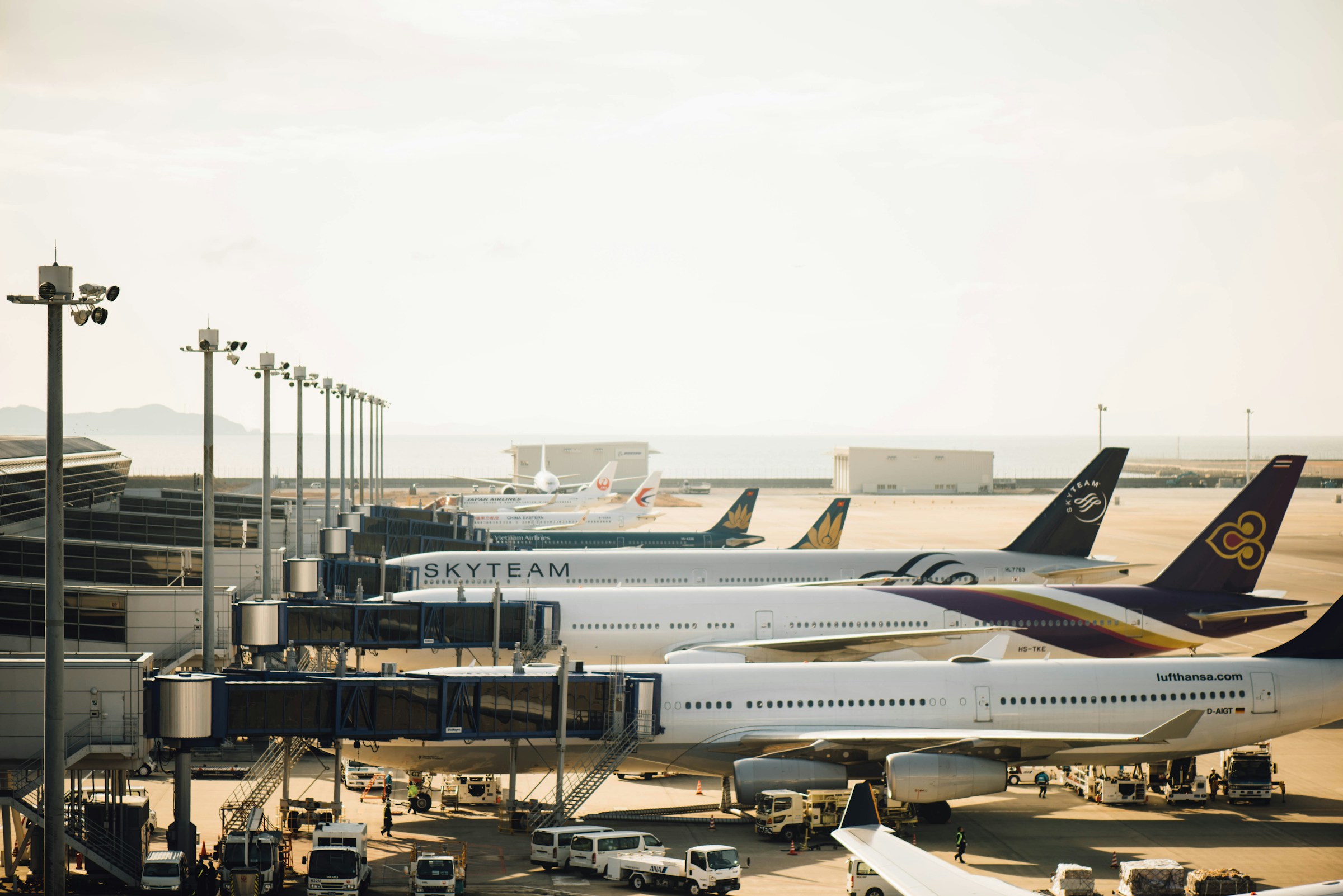
The global airline industry is gearing up for an unprecedented summer as travel demand is expected to soar beyond pre-pandemic levels. Analysts predict that around 4.7 billion people will take to the skies in 2024, eclipsing the 4.5 billion travelers in 2019.
Reuters reported that this surge arrived amidst a significant squeeze in aircraft availability, attributed to production setbacks at leading manufacturers Boeing and Airbus. These challenges have forced airlines to invest billions in the upkeep of older fleets and to shell out premiums on aircraft leases, while some have no choice but to cut back on their flight schedules.
Indian Aviation: Compromising Safety for Cost?
Amidst these challenges, the aviation sector in India presents a case where air safety could potentially be compromised due to cost-saving measures. The global predicament is further complicated by Boeing's safety crisis, stemming from a mid-air panel blowout in January, leading to a cap on the production of its 737 MAX planes. Additionally, up to 650 Airbus A320neo jets may need to ground in the first half of 2024 for engine inspections, exacerbating the shortage.
The Strain on U.S. Carriers and the Leasing Boom
In the United States, the shortfall is striking, with carriers set to receive 32% fewer aircraft than originally planned, particularly affecting airlines that rely on the Boeing 737 MAX. This deficit has catalyzed a boom in the aircraft leasing market, driving lease rates to heights not seen since mid-2008. With airlines spending 30% more on leases post-pandemic and grappling with escalated maintenance and labor costs, profitability is under pressure despite the hike in demand.
Adjusting to Capacity Constraints
According to The Hindu, airlines are approaching this summer with a mix of caution and optimism, adjusting growth plans to manage capacity constraints. Quarterly reports from major airlines, starting with Delta Air Lines, will shed light on strategies to mitigate these challenges. The situation is complex, with increased leasing and repair costs impacting profit margins despite the robust demand for air travel.
Photo: CHUTTERSNAP/Unsplash







