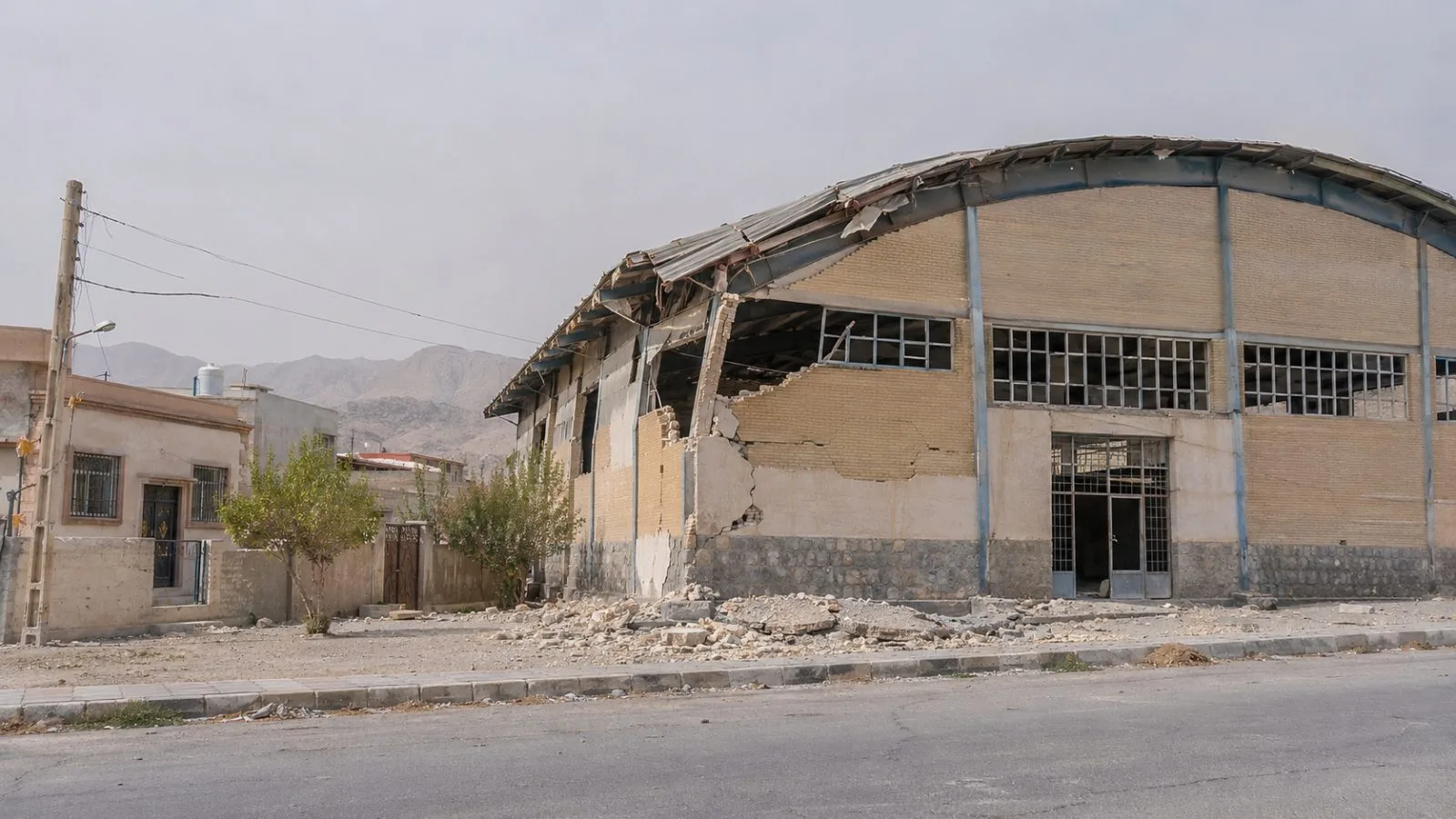
Airwars’ review of the Feb. 28, 2026, Lamerd attack mapped damage near a sports hall and homes after three apparent missile strikes, while its incident record listed up to 23 civilian deaths amid disputed responsibility.
Airwars’ incident record listed 21 to 23 civilian deaths and 100 to 170 injuries; at least seven children were among those killed. The group mapped three apparent Precision Strike Missile (PrSM) strikes over Shahid Naimi sports hall and nearby residential areas.
Airwars estimated that damage from one strike extended about 170 meters from its detonation point and said civilians were killed at least 50 meters from estimated blast sites. The Associated Press said its examination of photographs, videos and satellite images produced a damage estimate aligned with Airwars’ findings.
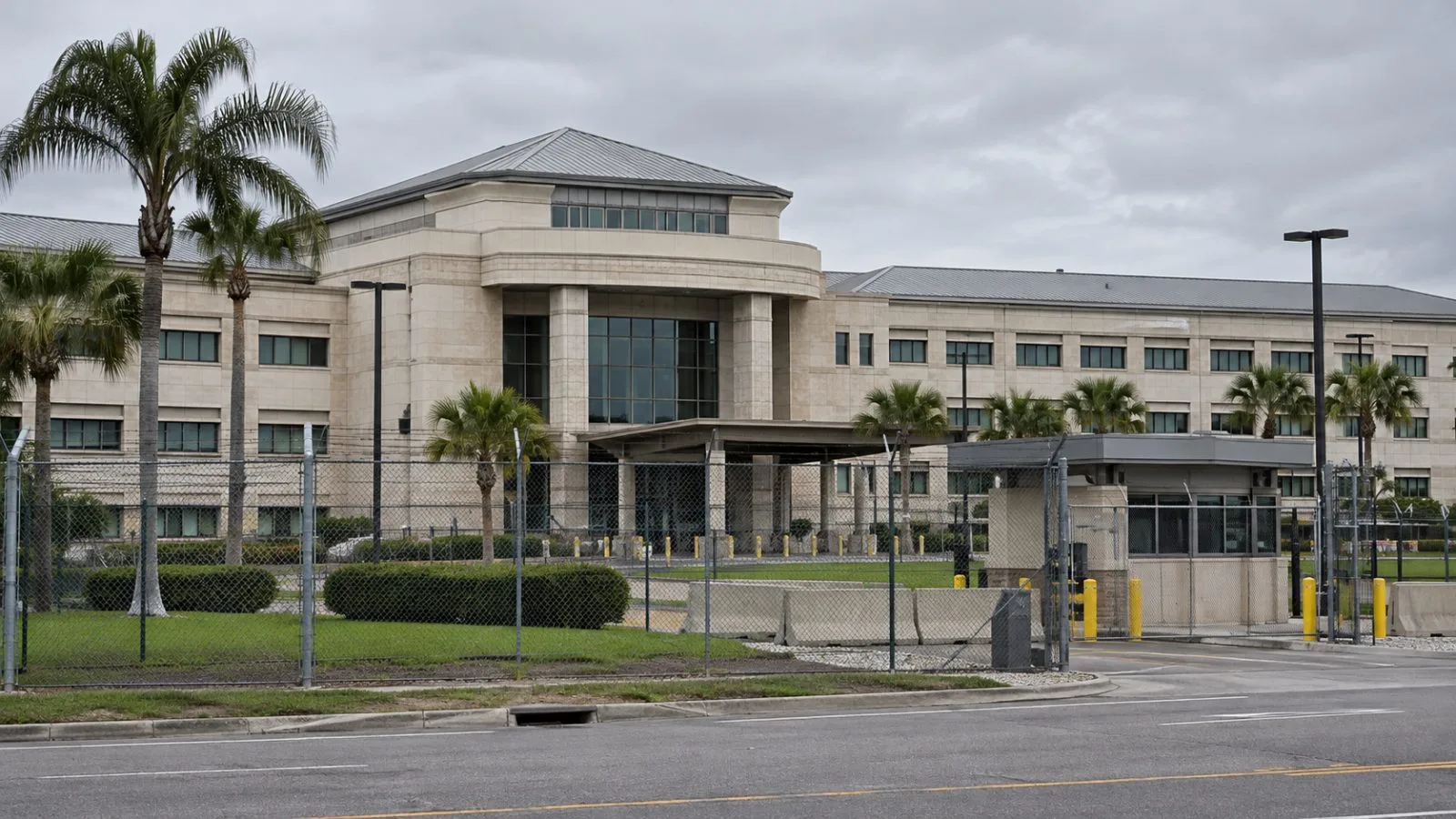
U.S. Central Command (CENTCOM) said U.S. forces struck neither Lamerd nor any place within 30 miles of the city on the first day of Operation Epic Fury. U.S. Navy Capt. Tim Hawkins, a CENTCOM spokesperson, said video cited in media accounts looked consistent with an Iranian Hoveyzeh cruise missile, not a PrSM.
The Associated Press reported that six weapons experts it consulted favored the PrSM identification and considered Iranian or Israeli weapons unlikely. The outlet also reported that the Israeli military told it Israeli forces had not struck as far south as Lamerd on the war’s first day.
Airwars said it found no reports of military personnel killed or military infrastructure hit. Separately, the Associated Press reported that it and Airwars found no reports of military or security personnel killed. Its satellite review showed no damage to a nearby Islamic Revolutionary Guard Corps compound.
“You would be hard pressed to find a reason to use the PrSM in a densely populated area,” said Michael Meier, a former Special Assistant to the Army Judge Advocate General for the Law of Armed Conflict. Airwars said its mapped blast centers are estimates and additional field reporting could refine its assessment.
Lockheed Martin said on March 25, 2026, that CENTCOM had confirmed the PrSM’s first combat use during Operation Epic Fury on March 4. The company did not identify where the missile was used. It said a March framework agreement with the Department of War, combined with a prior $4.94 billion U.S. Army contract, would quadruple production capacity. The framework allows negotiations on a multiyear contract of up to seven years, subject to congressional authorization.