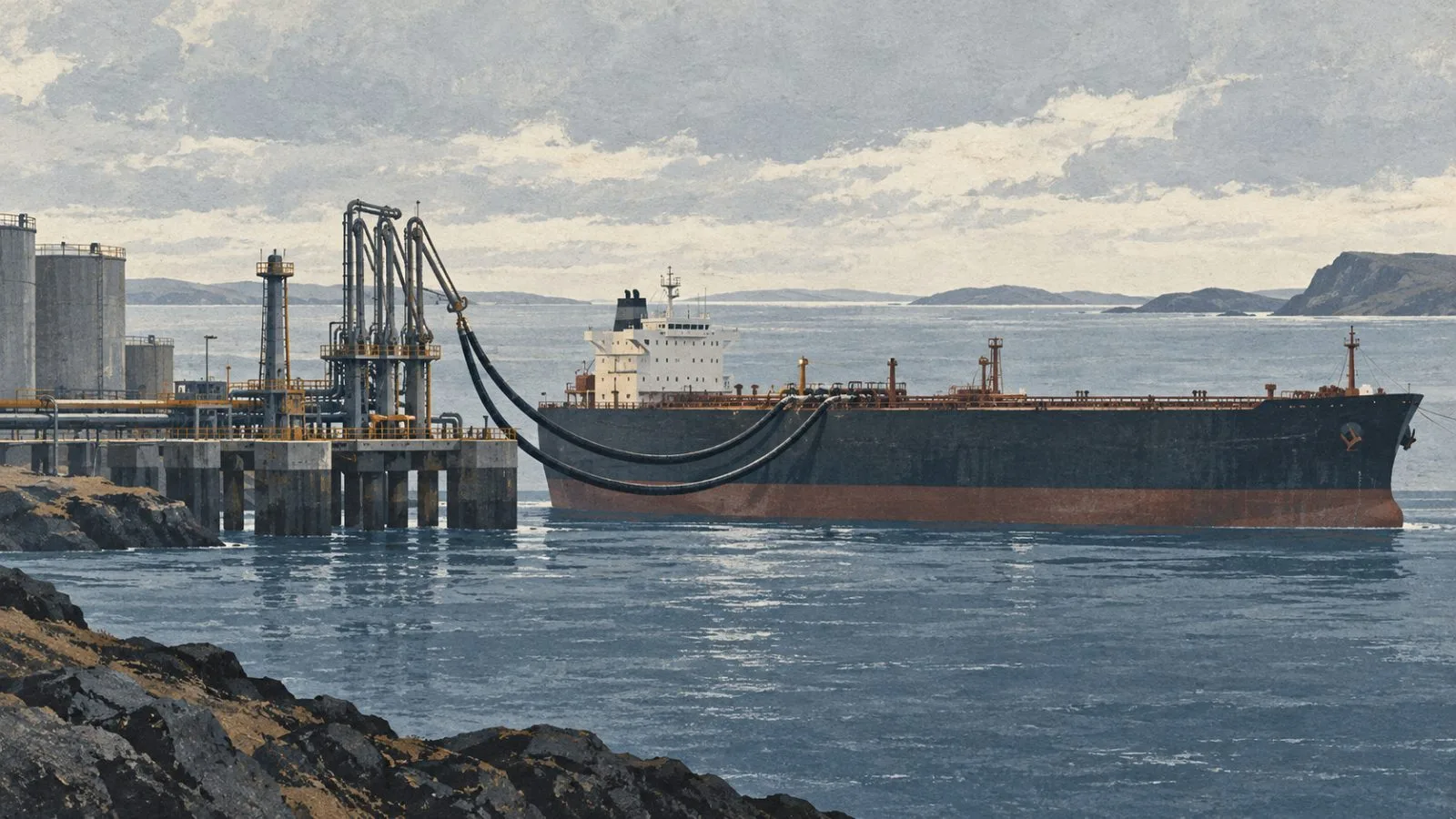
UAE Minister of Industry and Advanced Technology Dr Sultan Ahmed Al Jaber urged governments and energy producers to expand storage and diversify delivery routes after Strait of Hormuz disruptions as global oil inventories fell.
The National reported that Al Jaber made the remarks at ADIPEC's opening ceremony in Abu Dhabi on Monday. Event organizers had scheduled him to address the ceremony on Nov. 2, and the conference runs through Nov. 5.
The National quoted Al Jaber saying the world had “eroded its supply buffers.” The outlet said his recommendations included larger strategic reserves, stronger infrastructure, more routes for reaching markets and using artificial intelligence to anticipate supply threats.
The U.S. Energy Information Administration (EIA) estimated global inventories fell by 1.9 million barrels per day in the third quarter of 2026 and forecast a further decline of 0.7 million barrels per day in the fourth quarter. Those quarter-specific rates do not establish the cumulative amount withdrawn since shipping through Hormuz was disrupted.
The EIA's October outlook assumes Middle East oil flows will remain constrained through the fourth quarter. The agency expects convoy traffic and other shipping workarounds to help regional production and exports recover. The EIA said Middle East disruptions contributed to falling global inventories, while tight diesel markets kept prices high.
The EIA said U.S. East Coast distillate stocks were 32% below their five-year seasonal average in September and projected them to stay 20% to 30% below average through winter. The EIA forecast U.S. households that primarily heat with oil would spend about 21% more on it this winter than last winter.
At a May shareholder meeting, TotalEnergies Chairman and CEO Patrick Pouyanné said his company expected to benefit from higher prices and described market volatility as the highest in about 25 years.
EconoTimes previously reported that the Philippines was exploring a potential ADNOC partnership to establish strategic petroleum reserves.
The EIA's next Short-Term Energy Outlook is scheduled for Nov. 10.