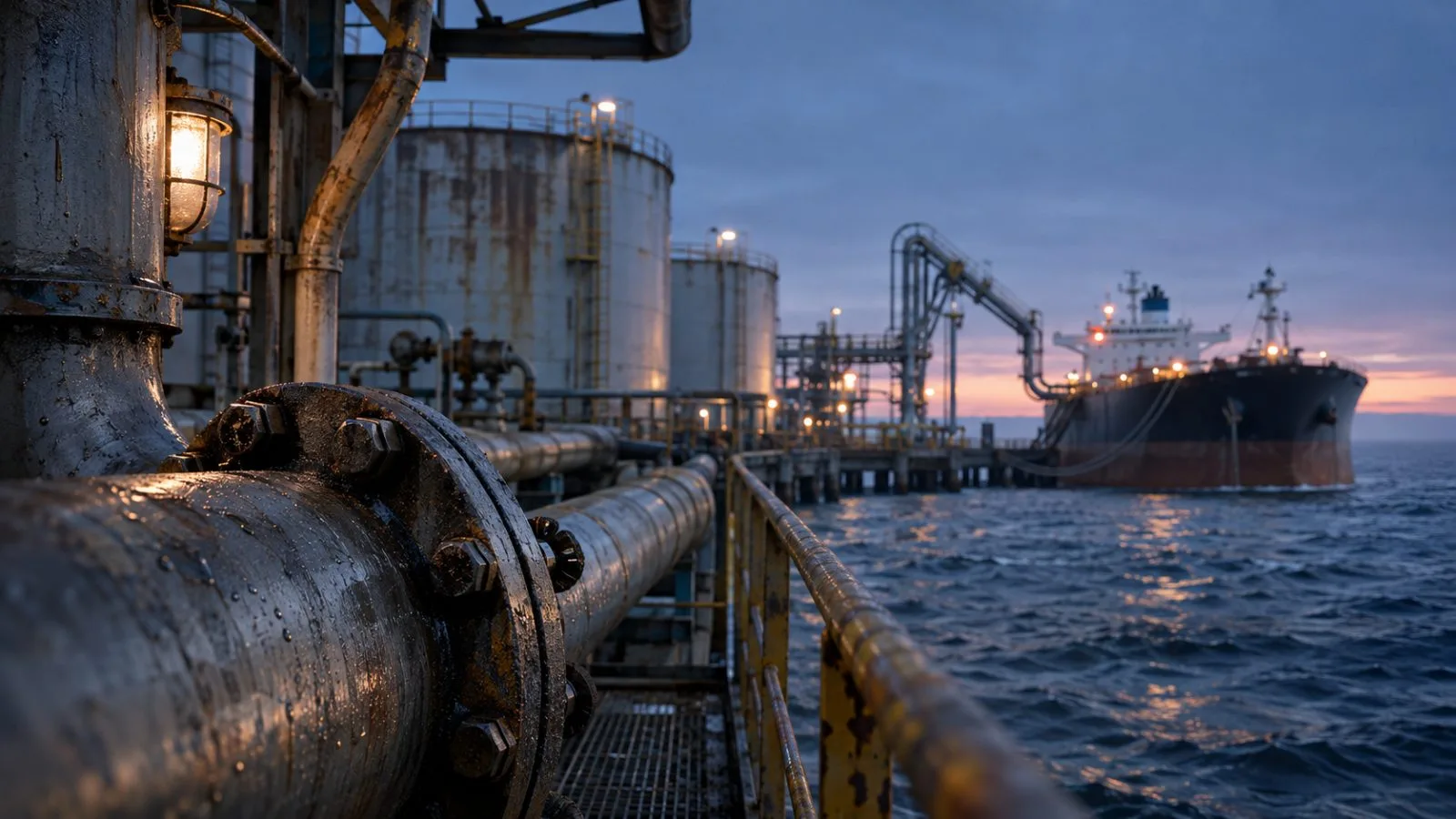
The disruption of oil shipments through the Strait of Hormuz is driving higher costs for consumers and supply shortfalls in some cases, the International Energy Agency said, describing the crisis as an unprecedented threat to energy security with consequences for global markets.
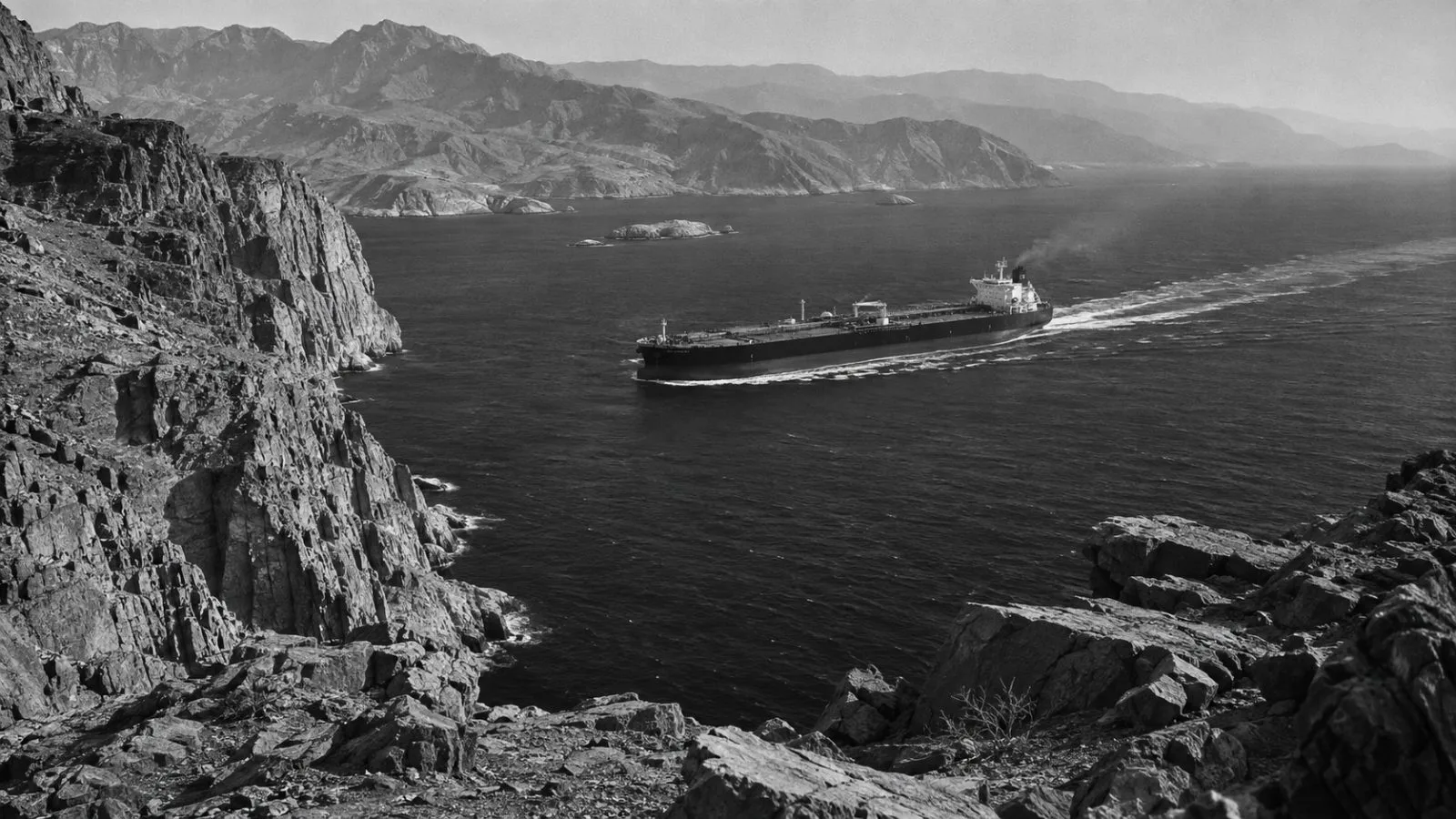
The crisis began in February after U.S. and Israeli strikes on Iran. Iran then blockaded the strait and targeted tankers, disrupting a route that carried about one-fifth of global oil shipments before the conflict, according to the IEA’s annual World Energy Outlook.
Governments have sought to cushion the impact by bringing more oil to market and using alternative export routes, the report said. China has also reduced its purchases from international markets. Those steps have not prevented consumers from bearing higher prices and, in some cases, supply shortfalls.
IEA Executive Director Fatih Birol said the longer the disruption continues, the more its effects are likely to spread. He also said he does not expect the energy sector to return to its former condition, according to remarks cited by France 24.
The agency’s report compares the crisis with past energy disruptions, saying the Hormuz threat exceeds the scale of the 1970s oil shocks. Its middle scenario projects global oil demand will reach a high point around 2030, followed by a gradual decline. The report was released as countries met for the COP31 climate talks in Turkey.
South Korean President Lee Jae Myung and Japanese Prime Minister Sanae Takaichi agreed to deepen cooperation on energy and supply chains at a Nov. 17 meeting in Manila. South Korea’s presidential office said the two countries considered each other important partners on energy security and supply chains; it did not identify specific projects or a timeline for implementation. The agreement builds on South Korea and Japan’s energy and supply-chain cooperation.