


 Iran Says It Captured US Underwater Drone Near Strait of Hormuz
  Iran Threatens Gulf Energy Assets as U.S. Tensions Escalate
  US Bans Canadian Alcohol, Motorcycles as Trade War Escalates
  Merz Rejects AfD Alliance After Saxony-Anhalt Surge
  Iran Threatens US With ‘Economic Warfare’ as Gulf Tensions Rise
  Russia Seeks to Claw Back Soldier Bonuses After Crimes
  US Forces Destroy Five Iranian Oil Tankers After Missile Attacks
  Trump Hails AfD Election Win, Blames Germany Immigration Rules
  Australia Defends Social Media Algorithm Law Amid US Concerns
  Trump Administration Removes Confederate Memorial Criticism From Arlington Website
  U.S. Envoy Warns Taiwan Conflict Could Devastate Global Economy
  US Judge Dismisses Imran Ahmed Deportation Lawsuit
  Trump Rallies Republicans at Dallas Midterm Convention
  Chris Hipkins Targets Cost-of-Living Relief in New Zealand Election
  Kyiv Mothers Give Birth Amid Russian Drone Attacks
  Iran Plans New Gulf Restricted Zone as Hormuz Tensions Push Oil Higher
  Cuba Says No US Talks as Blockade Costs Hit $8.1 Billion


 Add as a preferred source on Google

A Chinese private equity firm, Primavera Capital Group, acquired the well-known test preparation company Princeton Review and an online learning platform, Tutor.com, in May 2023.
The move, like other Chinese investments in tech and those that deal with personal information, is increasingly drawing the attention of politicians, the U.S. government and national security experts – especially as tensions rise between the U.S. and China.
What remains unclear, however, is if this seemingly routine business acquisition was reviewed by the Committee on Foreign Investment in the U.S., which has authority to examine transactions involving foreign investment. The committee is largely prohibited from publicly disclosing any information filed with it, including if it is reviewing a transaction or if one was referred for review.
While the committee is hardly a household name, its mission and expanding oversight have important implications for the U.S. economy and national security.
Government oversight
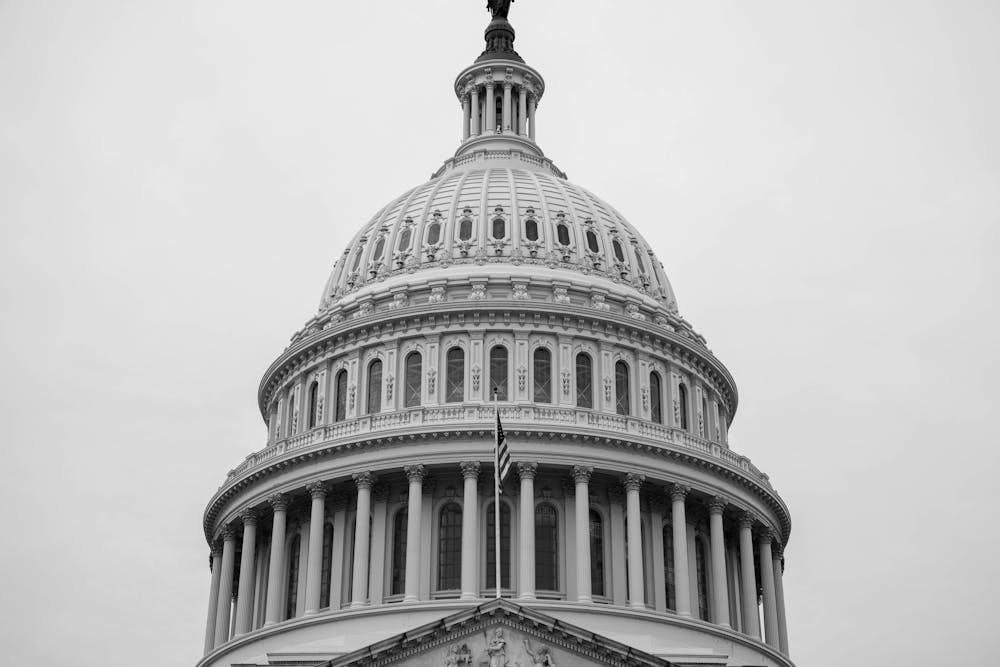
Congress strengthened the Committee on Foreign Investment’s powers, allowing it to scrutinize foreign investments in areas including cybersecurity, microelectronics and artificial intelligence. joshua sukoff for Unsplash.com, CC BY
The Committee on Foreign Investment, a U.S. government interagency committee established in 1975 by President Gerald Ford, is tasked with studying and coordinating the implementation of policy on foreign investment in America.
Investment by foreign countries greatly benefits the U.S., supporting 10.1% of the total labor force in 2019. Yet beginning in the 1980s, the federal government grew increasingly concerned about potentially harmful effects of foreign investment in the U.S. For example, if a foreign firm gets control of sensitive technologies, it could hurt national competitive advantages or even threaten national security.
The primary objective of the committee is to review selected foreign investments and some real estate transactions by foreigners in the U.S. for their national security implications. Real estate transactions are generally scrutinized only when a transaction involves land that is either close to a military base or near an airport or seaport.
Vetting foreign investments
In the 1980s, political concern grew about Japanese investment and, specifically, the proposed purchase by Japanese computer giant Fujitsu of chipmaker Fairchild Semiconductor. The purchase of Fairfield Semiconductor was considered a sensitive industry, with potential defense applications, and prompted Congress in 1988 to pass the Exon-Florio amendment to the Defense Production Act of 1950.
This amendment empowered the committee to not just review foreign investment deals but also to recommend rejecting them. Acting on its recommendation, a U.S. president could block a foreign transaction on “national security” grounds. For instance, in 1990, President George H. W. Bush voided the sale of MAMCO Manufacturing, which made metal parts for airplanes, to a Chinese agency, ordering the China National Aero-Technology Import & Export Corporation to divest itself of the Seattle-based company.
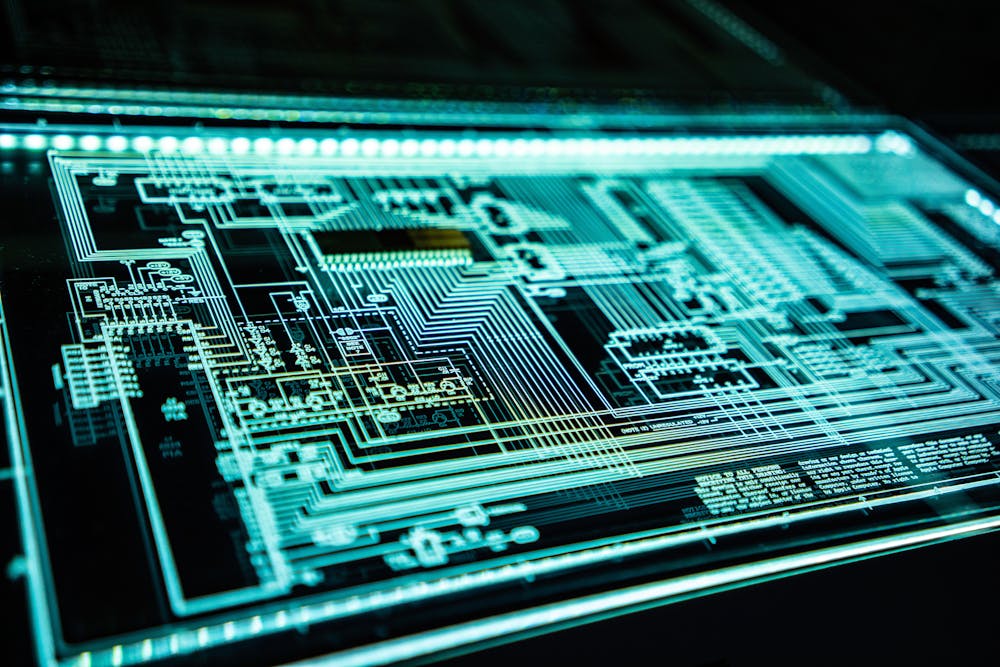
Foreign investments scrutinized by the U.S. can range from agricultural supply chains to biotechnology and quantum computing. adi goldstein for Unsplash.com
In the context of a committee review, the term national security typically refers to foreign transactions that could cause significant outsourcing of jobs, a loss of control over agricultural supply chains, the sharing of sensitive technologies, control of a firm that satisfies defense needs, or the impairment of critical infrastructure.
Strengthening the committee
In 2006, Dubai Ports World, owned by the United Arab Emirates government, was about to gain managerial control of six U.S. ports in a major deal. Because of terrorism-related concerns, Sen. Chuck Schumer led a campaign against this proposal and the transaction was eventually called off, even though it had initially been approved by both the committee and President George W. Bush.

Political concern scuttled a United Arab Emirates deal to manage U.S. ports and triggered greater power for the Committee on Foreign Investment. Damian Kamp for Unsplash.com, CC BY
In the aftermath of this controversy, lawmakers passed the Foreign Investment and National Security Act in 2007, giving Congress greater oversight of the committee to ensure that potential acquisitions were adequately reviewed. In addition, it required the committee to scrutinize all foreign investment deals in which the pertinent overseas entity is either owned or controlled by a foreign power.
National security concerns
Over time, the Committee on Foreign Investment has been given more power to reflect and act on the political and economic concerns of the U.S.
China, for example, appears to have global ambitions to replace the U.S.-led world order. As it gains geopolitical power, China has come under increased scrutiny by the U.S., with public support to get tough with China on economic issues. In response to these concerns, concrete steps have been taken by U.S. lawmakers to increase the scope of what the committee is able to do.
In 2018, President Donald Trump signed the Foreign Investment Risk Review Modernization Act, giving the committee new powers over certain types of foreign investment that affect many Chinese investors. In the two-year period after the passage of the act, transaction registrations from Chinese investors fell by 43%.
In 2022, President Joe Biden signed an executive order directing the committee to sharpen its investigation of foreign investment deals that could negatively affect cybersecurity, quantum computing, biotechnology and sensitive data. The Committee on Foreign Investment is now more powerful than it has ever been, and it is a gatekeeper on major foreign investment deals.
The U.S. is not alone in examining foreign investment deals for national security implications. In recent times, the United Kingdom, the European Union and Australia have either created or strengthened existing regulations to more carefully police foreign investment deals, particularly those originating in China.
It remains to be seen what the long-term implications of these expanding powers of the Committee on Foreign Investments in the U.S. will be.







