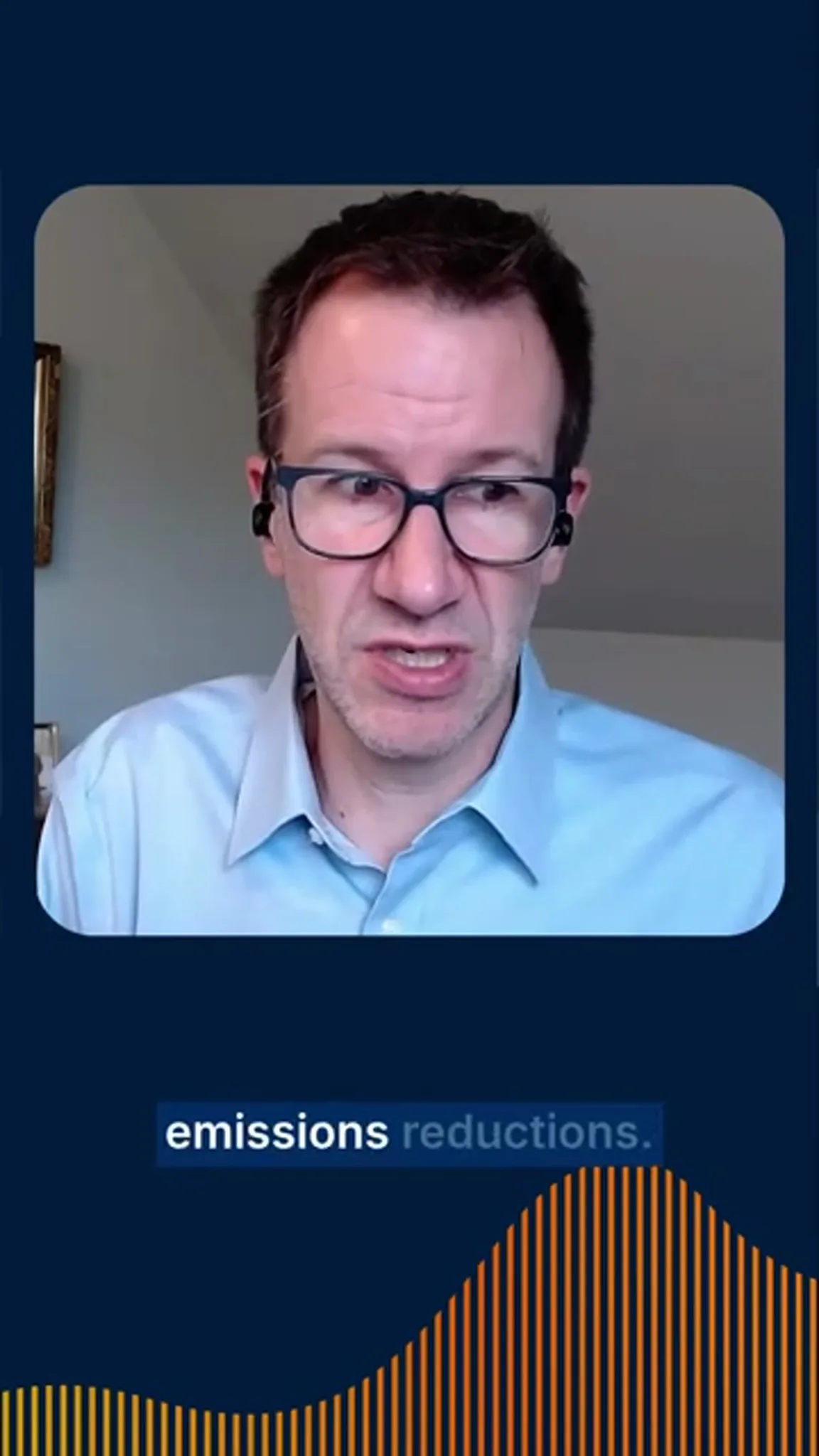
Climate policy should combine taxes on emissions and fossil fuel extraction to limit increases in pollution elsewhere, Ryan Kellogg of the University of Chicago's Harris School of Public Policy said.
Pricing emissions alone can lower global fuel prices and encourage consumption in other countries, offsetting some of the reduction at home. A tax on extraction can counter that effect by reducing supply and pushing prices up, Kellogg said.
His comments appeared in the Brookings Podcast on Economic Activity episode “Cut demand or cut supply? Rethinking climate policy,” published by the Brookings Institution on Nov. 23.
Kellogg said a simple economic model would prescribe a tax on emissions to reduce the pollution released when fossil fuels are burned. But local and national policies operate in a global economy, where trade and technology can carry their effects across borders.
Carbon dioxide contributes to climate change regardless of where it is released. Policymakers therefore need to consider how measures at home affect emissions in other countries, he said.
Oil, coal and natural gas are traded internationally. If a country prices emissions and reduces its demand for those fuels, lower prices can encourage consumers abroad to burn more of them.
That shift is known as emissions leakage, an increase elsewhere that offsets reductions in the country acting. Kellogg said leakage can also occur when production of energy-intensive goods such as steel, aluminum and cement moves to countries without comparable emissions prices.
Most carbon pricing programs focus on emissions rather than extraction, he said. The European Union's emissions trading system puts a price on pollution through a market for emissions permits.
A tax on extraction alone could also cause leakage, Kellogg said, because higher fuel prices could encourage producers in other countries to extract more. Combining the two taxes could limit their effects on global fuel prices and reduce that problem.
An extraction tax could be applied at the first sale of coal, oil or natural gas, whether the buyer is domestic or abroad. Kellogg said Texas and other states already tax oil and gas production to raise revenue, though those taxes are not designed to address climate change.
The episode also said Kellogg's research found that blocking the Dakota Access Pipeline would have left little additional oil in the ground because most of it would have moved by rail, increasing local pollution.
The available transcript ends as Kellogg begins to discuss the economics of blocking specific pipelines and export terminals. It does not include his full explanation of that approach.