Anand Mahindra, Mahindra Group chairman, said software skills and systems expertise could help India benefit as businesses adopt AI, though India does not make the most advanced chips or lead in foundational large language models.
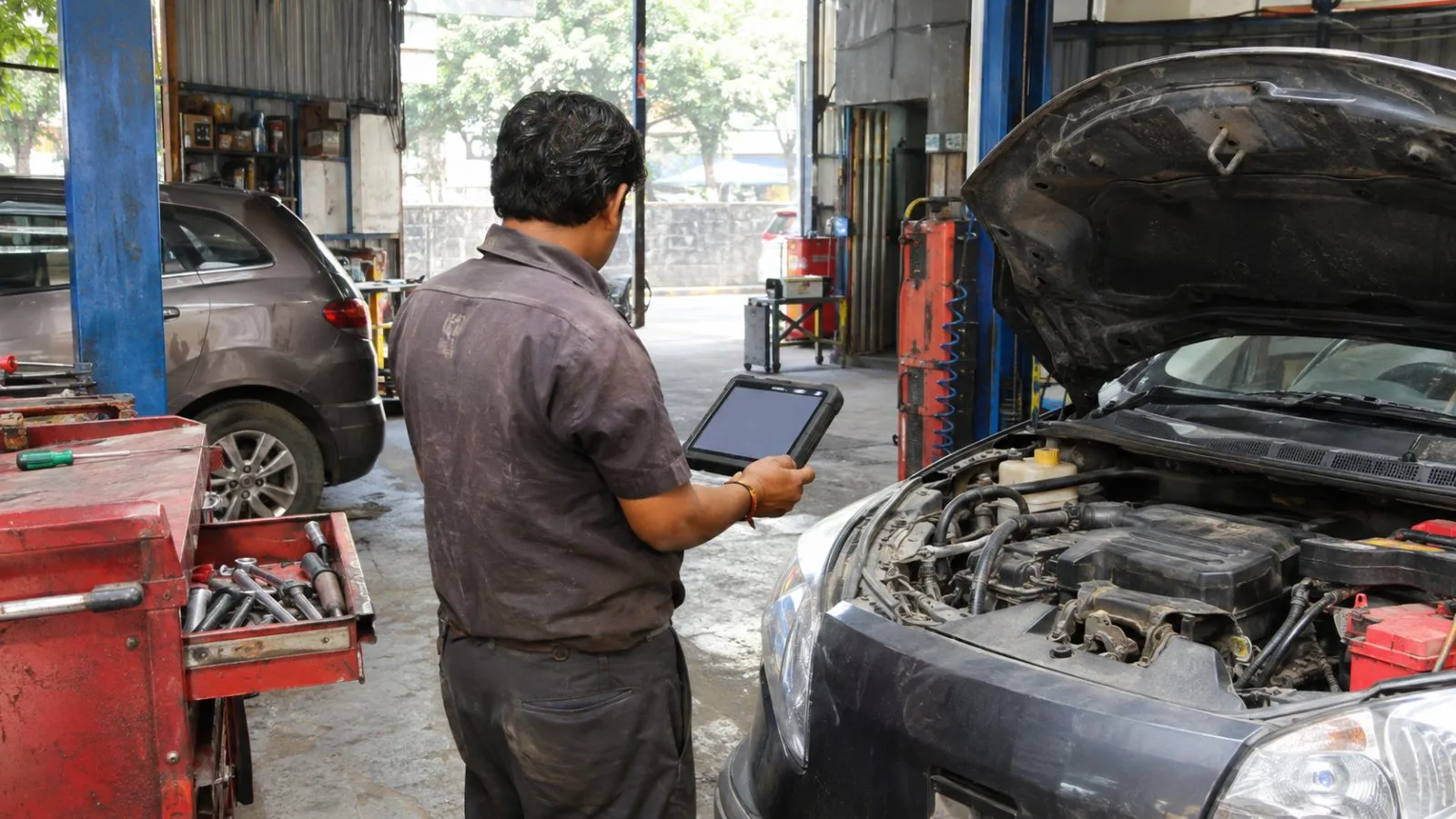
Mahindra & Mahindra’s FY2024-25 annual report describes two uses of AI within the group. CAE GPT was introduced for engineering teams on Jan. 31, 2025, and more than 300 engineers actively used it, the report said. The GenAI Service Co-pilot, introduced on March 24, assisted more than 18,000 technicians and was in five pilot workshops. These company examples do not measure AI use across India’s economy.
In a Nov. 10 post on X, Mahindra pointed to software know-how, systems integration and domestic demand as potential advantages as companies apply AI. “Smartphones created the platform. Apps unlocked their potential,” he wrote, drawing a comparison with the spread of smartphone applications. He also suggested that the AI opportunity could extend renewed interest in Indian equities, presenting that as a possibility.
The latest version of Stanford’s Global AI Vibrancy Tool ranks India third. Its newest release, dated Nov. 24, 2025, uses data through 2024. Stanford’s 36-country comparison draws on 23 indicators organized into seven pillars: research and development, responsible AI, the economy, talent, policy and governance, public opinion, and infrastructure. The Indian government has also cited India’s third-place position, with the United States and China ahead. The ranking reflects data through 2024, rather than a 2026 snapshot.
Stanford’s 2026 AI Index says another version of the vibrancy tool is expected before the year ends.