The Big Picture’s 10-item Oct. 27 reading list put Canada’s trade diversification and Anthropic’s new public filing in focus, pairing tariff analysis with coverage of AI risks and other forces reshaping business and daily life.
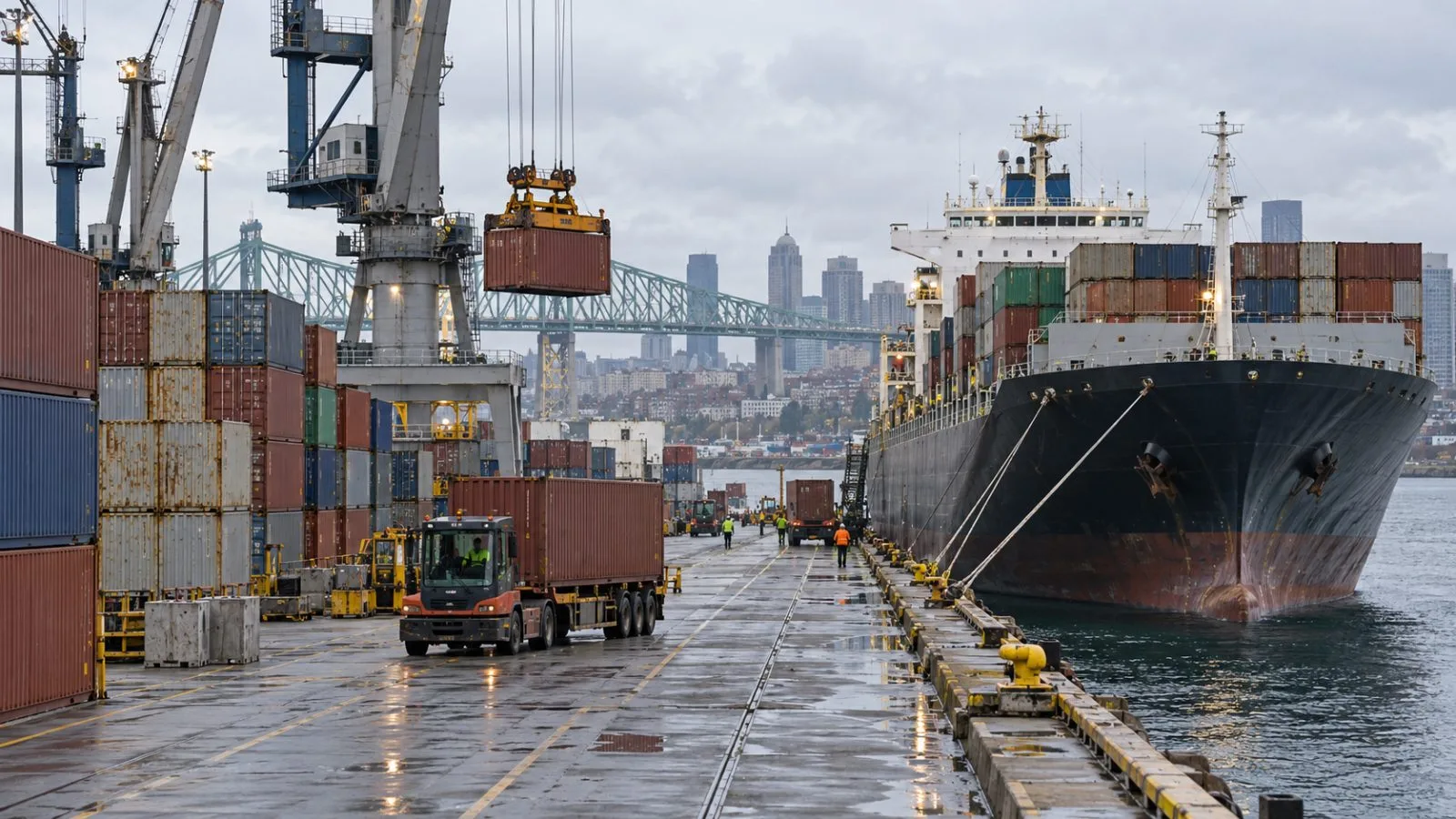
Joseph Politano of Apricitas Economics argues that the United States now represents the smallest share of Canada’s trade in more than three decades. He links the shift to tariffs, consumer boycotts and Ottawa’s push to diversify. Statistics Canada put non-U.S. destinations at 30.2% of Canadian merchandise exports in August 2026, down from 33.9% in July; exports to the U.S. rose 8.1% from July. Politano says tariff costs largely fall on the country imposing them and that U.S. industry has borne greater damage, while Canada’s diversification has increased its leverage.
The Wall Street Journal reported that a 50% U.S. tariff on Canadian aluminum was driving up costs for American industry. The same outlet reviewed Anthropic, PBC’s prospectus, filed with the Securities and Exchange Commission on Oct. 26, according to agency records. Its review said the filing presents research advances and routine automation as potential AI benefits, while warning that AI could enable bioweapon development or evolve beyond human ability to understand and control it.
The other selections ranged widely. A Wealth of Common Sense compared today’s market with the S&P 500’s 1960 composition: 425 industrial companies, 25 railroads and 50 utilities. The Atlantic profiled Ondřej Surý, a volunteer who worked on PHP security. The Los Angeles Times and BBC reported that a New Mexico judge ordered Meta to pay $25 billion, characterizing its privacy promises as deceptive.
Bloomberg linked Nigeria’s growing solar use to high fuel prices and lower-cost Chinese technology, including panels given as wedding gifts. Wired examined lessons for U.S. opponents of data center development from campaigns in Ireland and New Zealand. The Washington Post covered a Columbia study in Nature that found water exposed to microplastics released reactive oxygen species, chemicals associated with heart disease and other harms. Reuters described increasingly extensive heat waves, which it calls “heat storms,” affecting places including Texas, Ivory Coast and Poland. The Athletic examined Tom Brady’s leadership and his roles in broadcasting, co-owning the Raiders and other sports franchises.
Politano points to renegotiation of the USMCA as a future decision, though his article gives no date.