Anthropic generated $11.6 billion in revenue in its most recent quarter as the artificial intelligence company disclosed extensive future spending commitments, a Bloomberg equity strategist said in an interview.
The company’s revenue rose 1,300% from a year earlier, but its stock market listing filing also disclosed a net loss of almost $81 billion. Its spending commitments totalled about $800 billion through 2045.
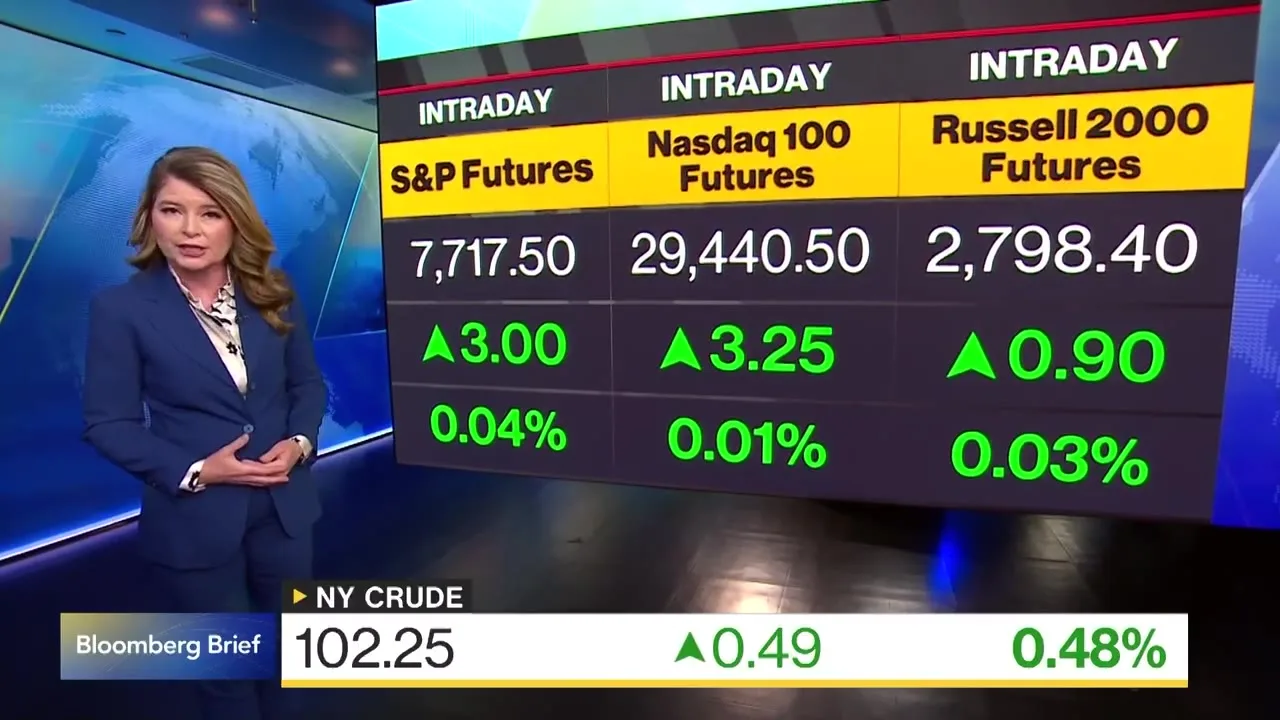
The discussion aired on Bloomberg Television’s “Stocks Waver as AI Funding Picks Up Steam; Israel Heads to the Polls,” published Oct. 27. It covered Anthropic’s finances before turning to funding needs across the industry and the rising cost of debt insurance.
Anthropic spent about $5.6 billion on computing in the quarter and generated roughly $1 billion in adjusted operating profit. That profit measure differs from the net loss disclosed in the filing, and the discussion did not reconcile the two figures.
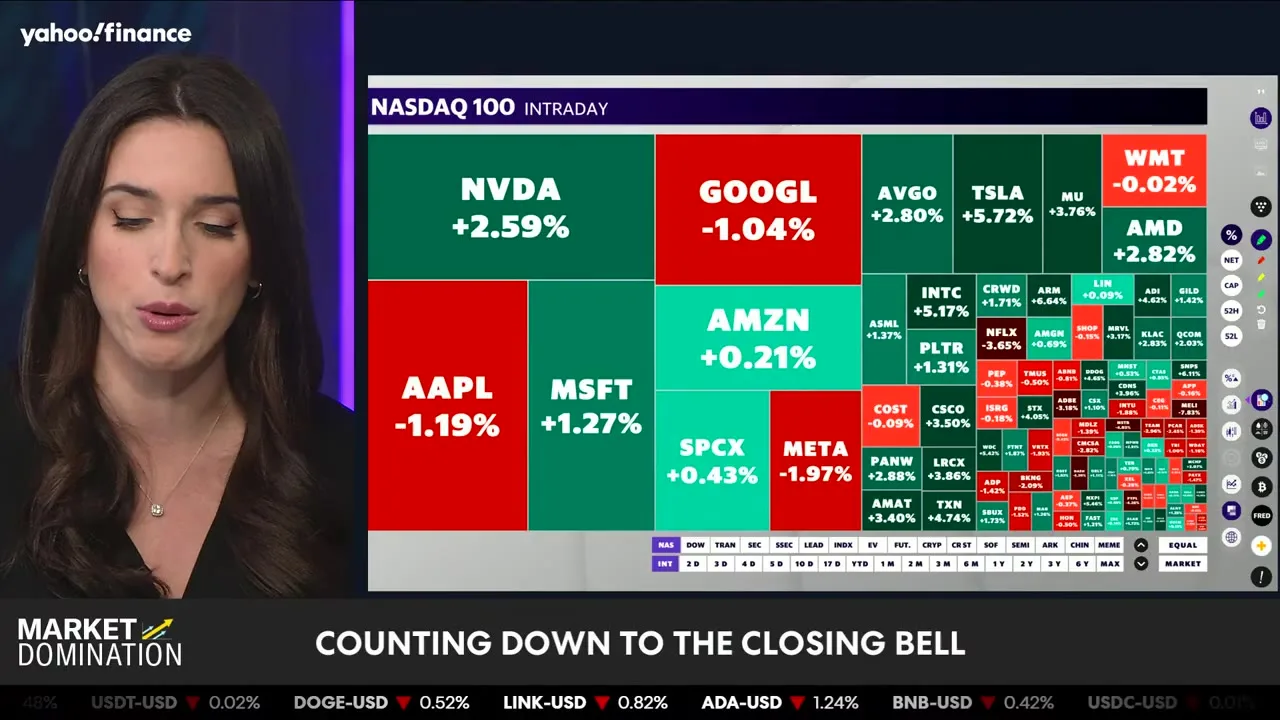
The company uses chips from AMD, Nvidia and Google, among other suppliers. The interview left open how changes in chip prices would affect the distribution of profits between AI developers and the companies supplying their computing equipment.
Attention then turned to Meta’s investment plans. The company raised the lower end of its capital spending range to about $135 billion. Capital spending covers investments in facilities and equipment used to build and operate services.
Meta was also sizing an equity offering at $25 billion, part of a broader effort to raise money. The discussion did not establish how much additional financing the company would seek or the terms it would accept.
Broadcom was arranging a $63 billion deal to finance chips for Anthropic. That transaction added another large funding requirement to the discussion of how companies would pay for their AI commitments.
The interview then addressed whether the industry’s borrowing could limit financing available to other companies. It provided no measure of how much borrowing capacity AI companies had absorbed or how much funding other businesses had lost.
The discussion also turned to credit default swaps, contracts that insure against a borrower failing to repay debt. Five-year contracts covering Nvidia and Amazon were becoming more expensive, although no prices or size of increase were given.
“The cost of insuring this debt is increasing,” the strategist said.
The remarks left unresolved how much appetite investors would have for further share sales and borrowing. They also left open which companies would secure the most favourable financing terms as spending commitments required additional funding.