Lebanon’s efforts to weave mental health care into public services could inform crisis responses elsewhere, but U.N. Deputy Secretary-General Amina Mohammed said more investment is needed to extend access.
U.N. estimates for 2024 put the number of people needing humanitarian help and protection above 300 million; 66 million were experiencing adverse mental health conditions. The organization said funding gaps continue to leave millions without adequate care. That shortfall is the focus of a broader U.N. effort to make mental health support a core part of humanitarian responses.
The Greentree Acceleration Plan has $13.2 million in initial funding from Wellcome, an independent charitable health care foundation. Lebanon and Chad are its first rollout locations. The initiative aims to strengthen locally led services, expand access to proven treatments and provide psychological support to humanitarian workers.
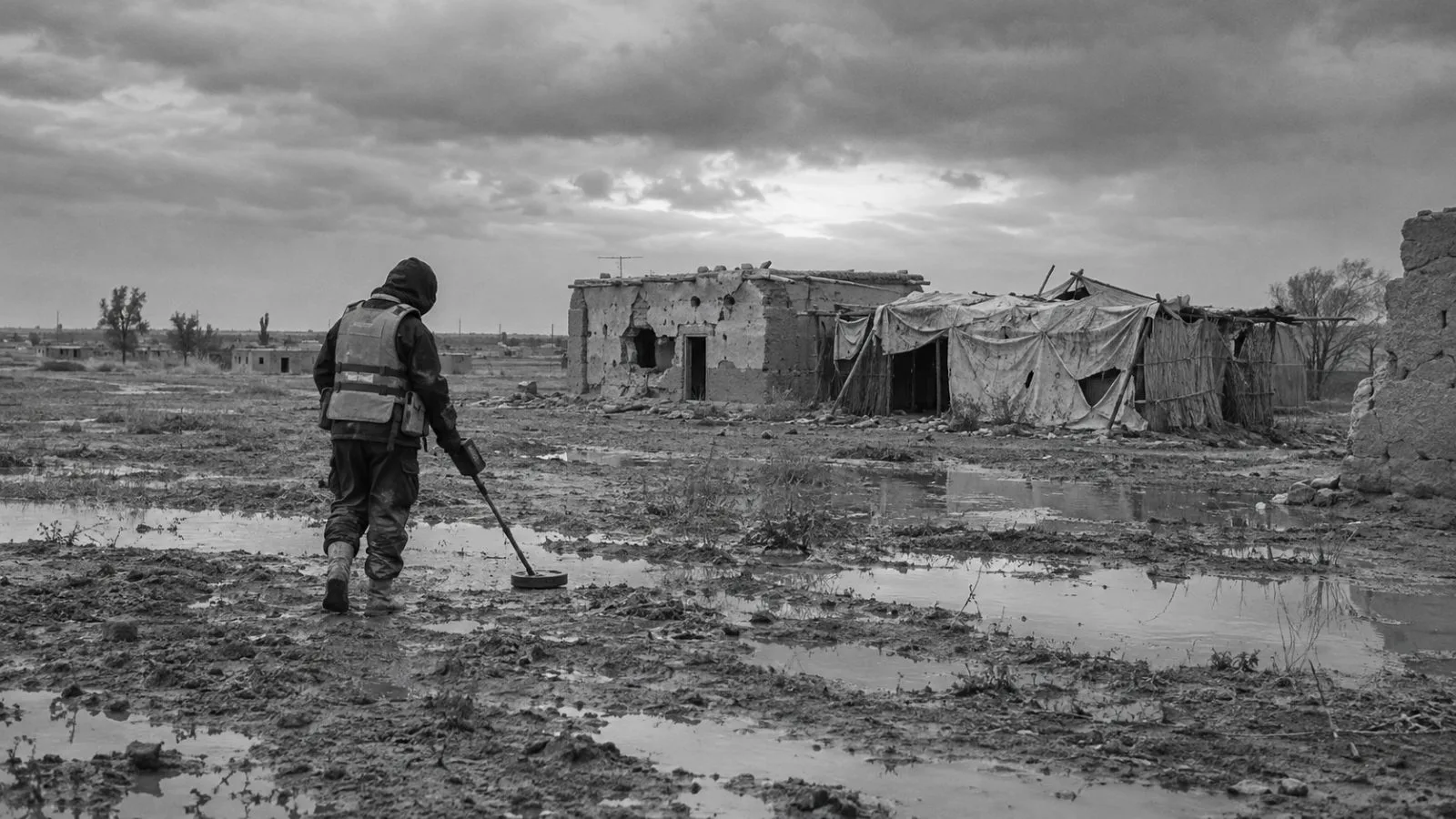
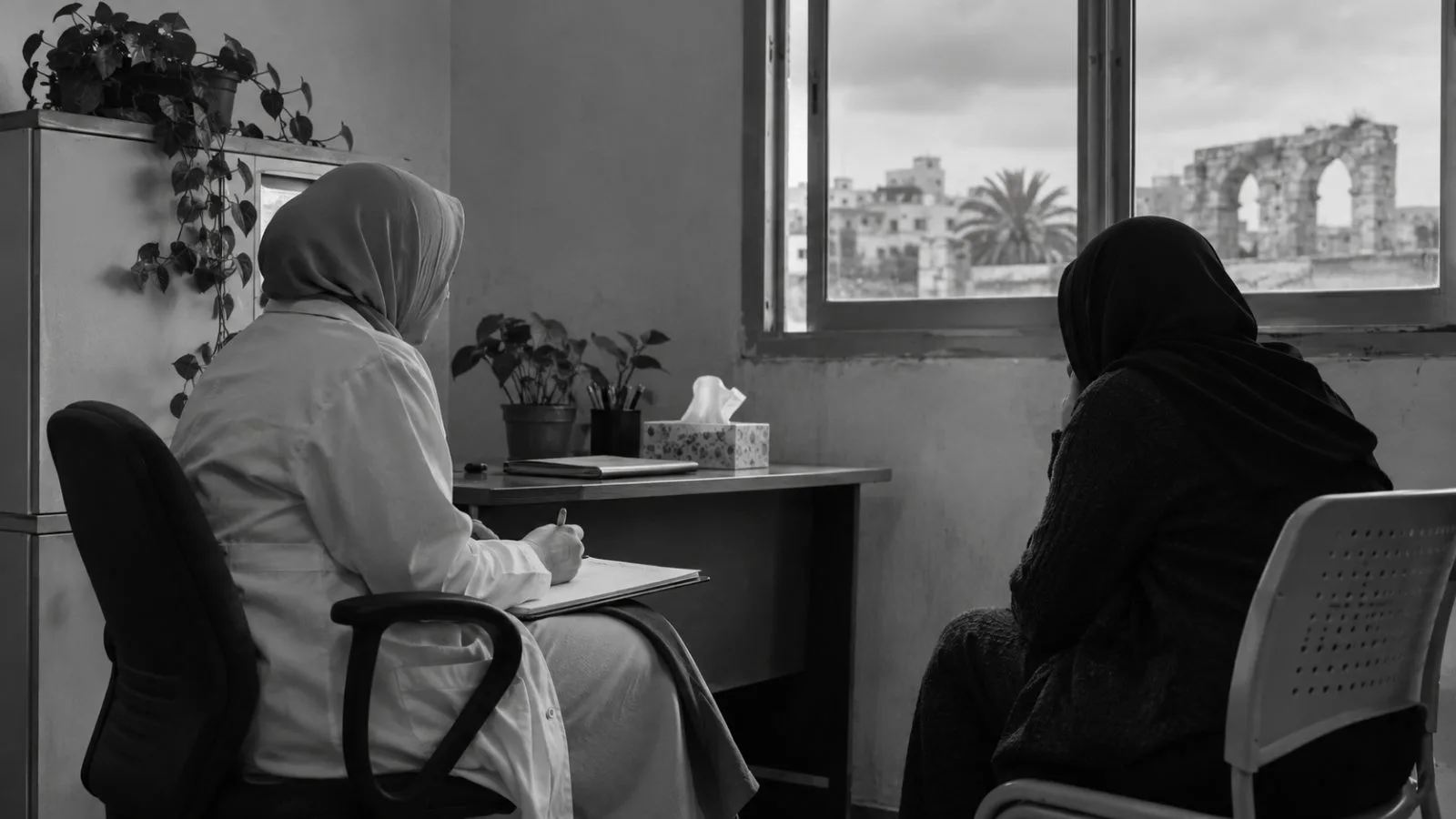
Israeli strikes are continuing, particularly in southern Lebanon, amid mass displacement and acute food shortages, the U.N. reported. During a weekend visit, Mohammed said conflict’s effects can persist after physical destruction and weigh on individuals, families and communities. In Tyre, a city in southern Lebanon, she spoke with mental health workers and patients. U.N. reporting described local teams as striving to keep care available while operating under pressure.
Lebanon has been adding mental health support to its public health system. The U.N. said the country’s National Mental Health Programme has set a course for including psychological care and related support in routine medical services. In Chiyah, a Beirut neighborhood, people at a primary health center can receive mental health screening during ordinary care. Lebanon has also removed charges for calls to Lifeline 1564, which offers suicide prevention and emotional support.
Mohammed said Lebanon has systems and experience it can build on, while reaching more communities and keeping services sustainable will require additional funding. Annemarie Hou, executive director of the U.N. Office for Partnerships, said humanitarian responses should make room for dignity and personal recovery, giving people a chance to reconnect and rebuild.