


 Jordan Bardella Antisemitism Allegations Threaten Le Pen’s Campaign
  Trump Sanctions International Criminal Court, Sparking EU Backlash
  Greenland Lawmakers Back Trump Security Deal Despite Economic Concerns
  Pakistan Declares Emergency in Khyber Pakhtunkhwa, Suspends Imran Khan’s PTI Government
  US Authorities Raid Ilhan Omar’s Home Amid Immigration Fraud Probe
  Trump Denies China, Russia Are Helping Iran in War
  Zelenskiy Seeks New US Talks to Revive Ukraine-Russia Peace Negotiations
  Trump Denies Russia and China Are Helping Iran in U.S. Conflict
  MI5 Warns of Rising Iran, Russia Threats and AI Bioweapon Risks
  Trump Announces Russia-Ukraine Energy Ceasefire as Zelenskiy Awaits Details
  Trump Warns Houthis Over Attacks, Considers Erdogan Intervention
  Elon Musk Donates $366 Million to 2026 US Midterms
  Kim Jong Un Showcases ICBM Ahead of Possible Trump Meeting
  US Condemns China Sanctions on Taiwan Allies Belize and Paraguay
  US Recalls Nicaragua Envoy After Ambassador Rejection
  North Korea Fires Ballistic Missiles Amid Rising Tensions With South Korea
  European Auto Stocks Rise as EU-China Trade Deal Targets Hybrid Imports


 Add as a preferred source on Google
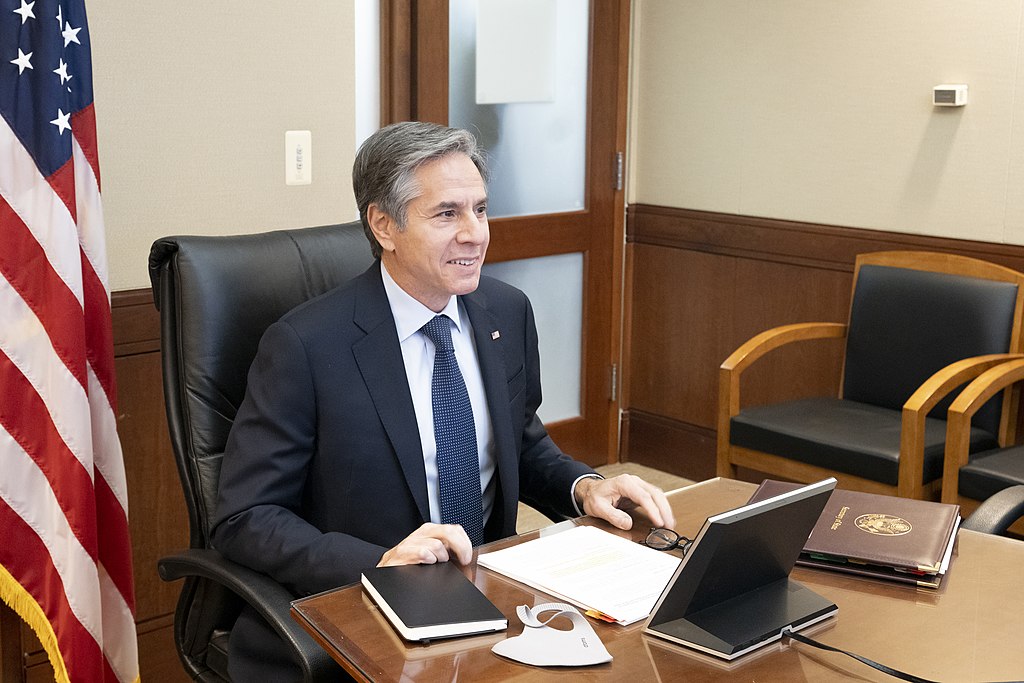
As Secretary of State Antony Blinken continues to serve as a key figure in U.S. foreign policy, his personal wealth has become a topic of intrigue. In 2024, Blinken's net worth is estimated to be in the range of $10 million to $25 million, according to public records and financial disclosures. This significant fortune has left many wondering how the top diplomat amassed such wealth during his career in public service.
Blinken, who has held various roles in government over the years, including as Deputy Secretary of State under President Obama and National Security Advisor to then-Vice President Joe Biden, is no stranger to high-level positions. However, it is his financial portfolio that has sparked curiosity, especially considering the modest salaries associated with his government positions.
A large portion of Blinken’s wealth is believed to stem from his work in the private sector. After leaving government service at the end of the Obama administration, Blinken co-founded WestExec Advisors, a strategic consulting firm. The firm, which specializes in advising clients on geopolitical risks and international relations, has attracted high-profile clientele from across various industries. Through his involvement in WestExec, Blinken reportedly earned significant income, contributing to his substantial net worth.
In addition to his consulting work, Blinken has made investments in various assets, including stocks and bonds. His financial disclosures also reveal that he has income from book royalties and speaking engagements, further boosting his overall wealth.
Blinken’s financial growth has not come without scrutiny. Critics argue that the blurred lines between government service and private consulting raise ethical questions, particularly when former officials transition into roles that capitalize on their government experience. While Blinken has fully disclosed his financial interests as required, the rapid increase in his net worth has sparked debate over the revolving door between public office and private sector wealth.
"How did the Secretary of State amass millions so quickly?" is a question that has been raised by political observers and critics alike. For some, Blinken’s fortune is seen as emblematic of a broader issue within U.S. politics, where public servants often leverage their experience for financial gain once they leave office.
Despite these concerns, Blinken’s supporters point to his long-standing dedication to public service and his expertise in foreign policy as reasons for his success, both in and out of government. His wealth, they argue, is a reflection of his intelligence and hard work rather than any unethical behavior.
As Secretary of State, Blinken continues to play a critical role in shaping U.S. foreign policy, navigating complex global issues from the war in Ukraine to relations with China. His net worth, however, remains a point of public fascination, illustrating how even the nation’s top diplomats can accrue substantial wealth through a combination of public service and private sector involvement.
With Blinken’s financial disclosure drawing attention, questions linger about the interplay between public roles and private wealth-building, especially as he remains one of the most influential figures in the Biden administration.







