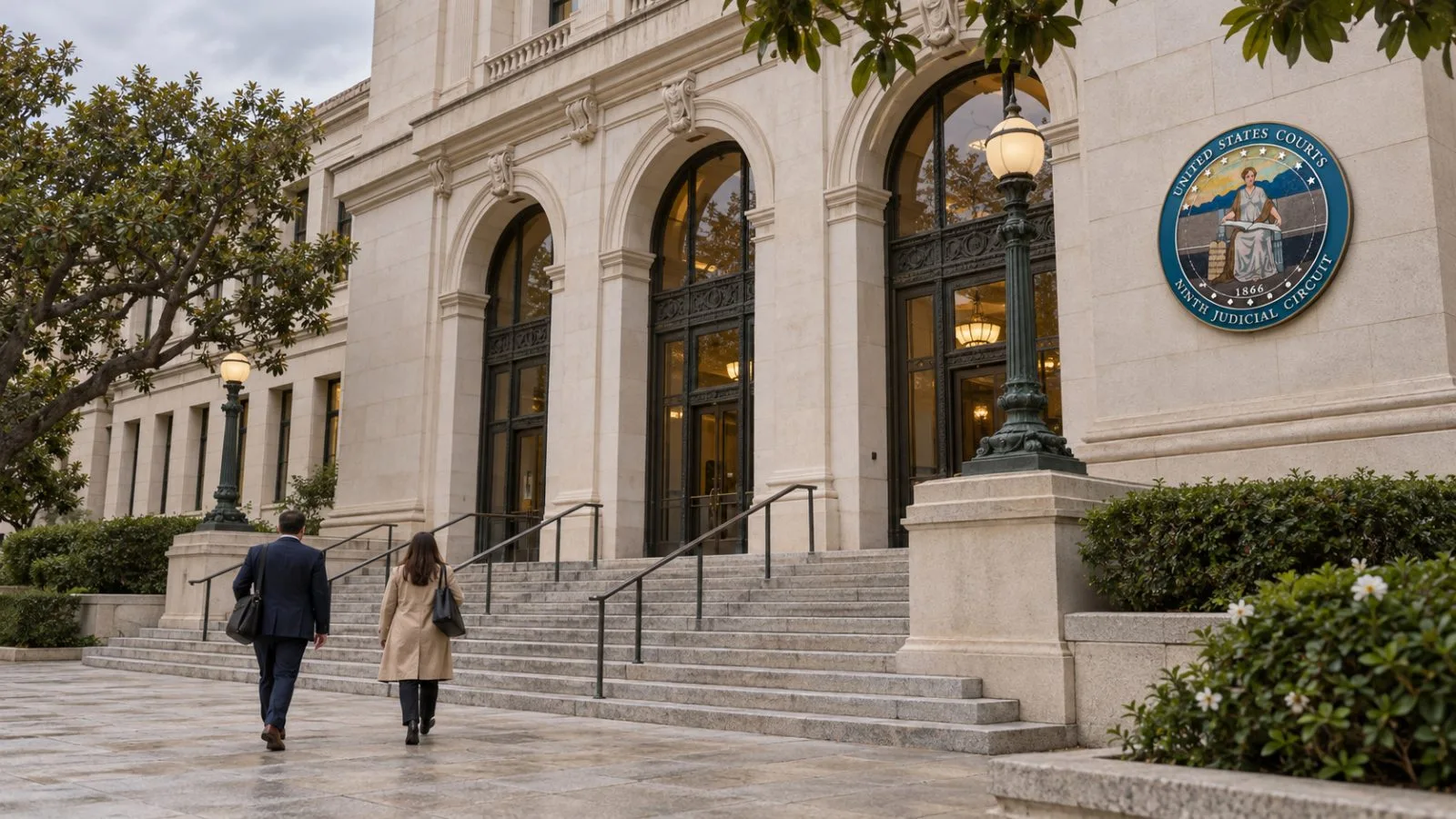
A federal appeals court on Friday rejected the U.S. Department of Justice’s (DOJ) emergency request to set aside California ballots tied to a disputed citizenship list, limiting one federal election-check effort before Tuesday’s midterms.
Two Supreme Court actions left other federal measures in different legal positions. On Sept. 25, the court stayed a lower-court order that had vacated the modified Systematic Alien Verification for Entitlements (SAVE) database, keeping it in use during appellate review. The system connects Social Security Administration (SSA) records with Department of Homeland Security (DHS) data and allows bulk searches.
In a separate case on Sept. 14, the Supreme Court declined to suspend an injunction against a new U.S. Postal Service (USPS) rule for federal ballot mail. The injunction remains in place for the 2026 election. The court assessed the government’s challenge to the injunction as unlikely to succeed.
The California case began with an Oct. 15 DOJ complaint. It said federal agencies had provided the state with a list of more than 20,000 people the government considered likely noncitizens and believed had received mail ballots. DOJ described its review as preliminary and ongoing, while California officials challenged the list’s reliability. The complaint does not establish that anyone named returned a ballot or voted.
On Oct. 30, the Ninth Circuit panel refused to require California and Los Angeles County to separate ballots linked to the list and verify voters’ citizenship before counting them. The panel said that process could prevent eligible voters’ ballots from being counted and interfere with county election operations. Its order addressed only the request for emergency relief; the underlying lawsuit remains unresolved.
President Donald Trump’s March 31 executive order directed DHS, in coordination with SSA, to compile state citizenship lists and told USPS to develop rules for federal ballot mail. The White House describes the measures as election-integrity steps, while court decisions have raised concerns about inaccurate records and procedural changes affecting eligible voters and election administration.
Federal law bars noncitizens from voting in federal elections. States establish procedures for congressional elections, subject to Congress’ constitutional power to revise them. The House passed SAVE America Act text as a substitute amendment to S. 1383 on Feb. 11, by 218 votes to 213. The proposal would require documentary proof of citizenship to register for federal elections; the Senate’s Sept. 30 legislative index listed it without an enacted public-law reference.
An AP-NORC poll conducted Oct. 8-12 found that 55% of registered Democrats and 38% of Republican voters had “a great deal” or “quite a bit” of confidence that votes in the midterms would be counted accurately. The responses reflect voters’ expectations and do not establish the accuracy of the final count.
Election Day is Tuesday, Nov. 3, when voters will choose all 435 House members and roughly one-third of the Senate.