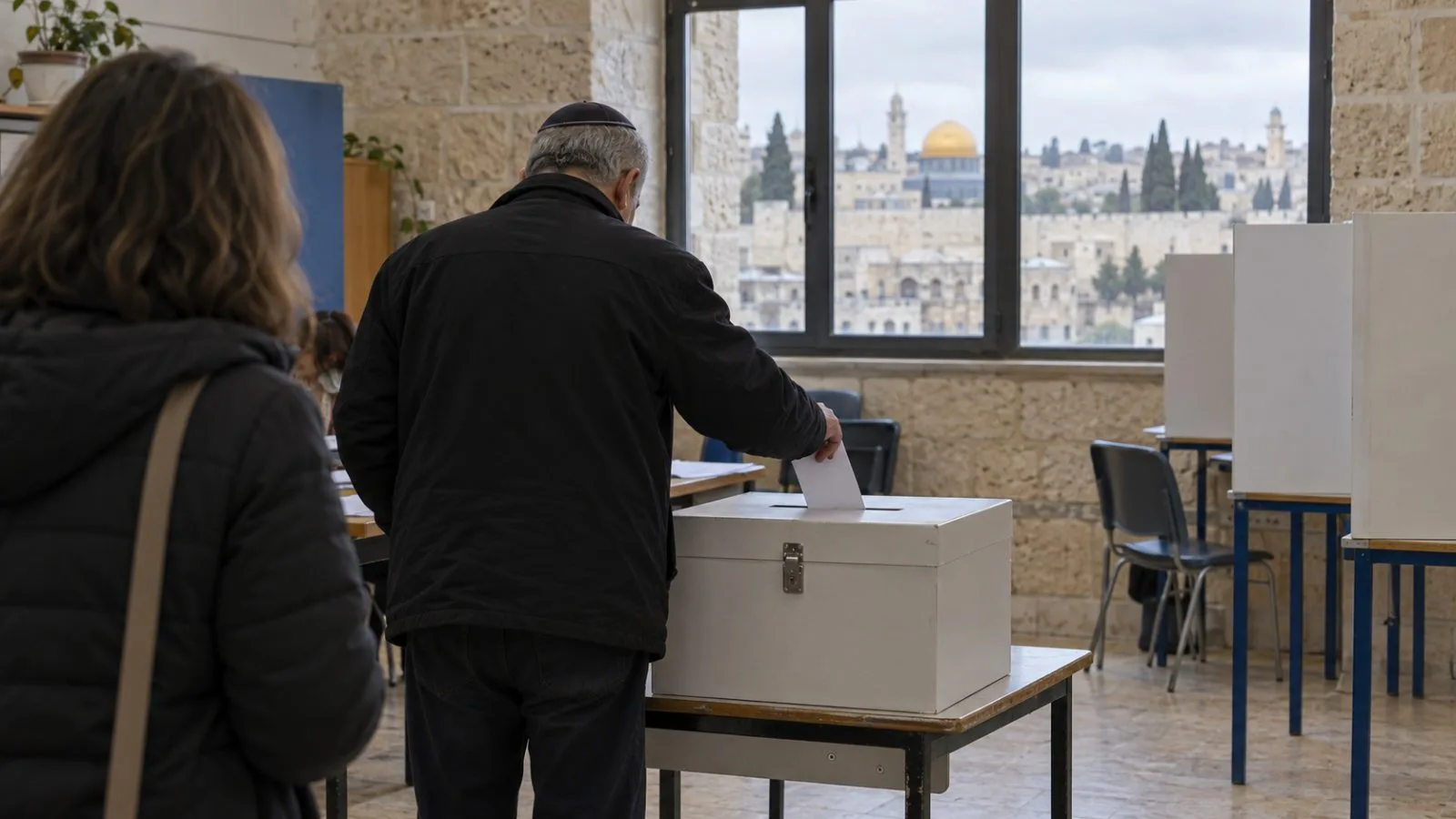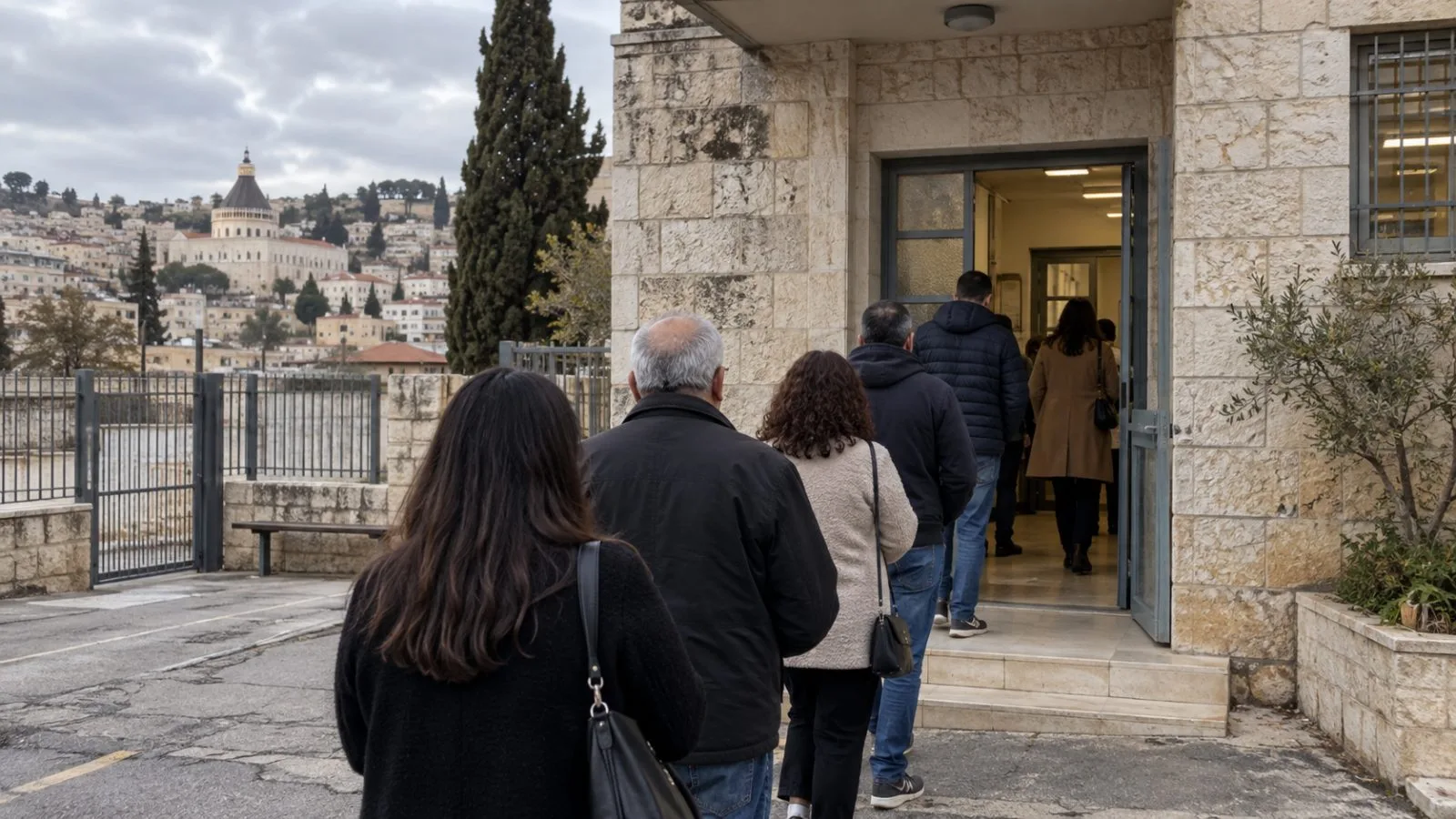
A poll projecting 15 seats for Arab parties has put turnout in focus before Tuesday’s Knesset vote, which will shape coalition talks and Prime Minister Benjamin Netanyahu’s political future. France 24 reported that some Arab Israeli citizens feel a stronger need to vote amid Netanyahu’s policies and wars.
The Israel Democracy Institute calculated that 53.2% of Arab and Druze voters cast ballots in 2022, using final results from the Central Elections Committee.
Israel’s Central Bureau of Statistics estimated that Arab residents made up 21.1% of the population as of April 22, 2026. That population share is not a measure of eligible voters, so it should not be read as an election turnout figure.
Madad’s Oct. 14 poll projected Arab parties at 15 seats and showed both main blocs short of a majority. EconoTimes’ earlier coverage noted that turnout could affect whether Arab parties reached those projections. Those numbers are polling projections; the final seat count will come from voters’ ballots.
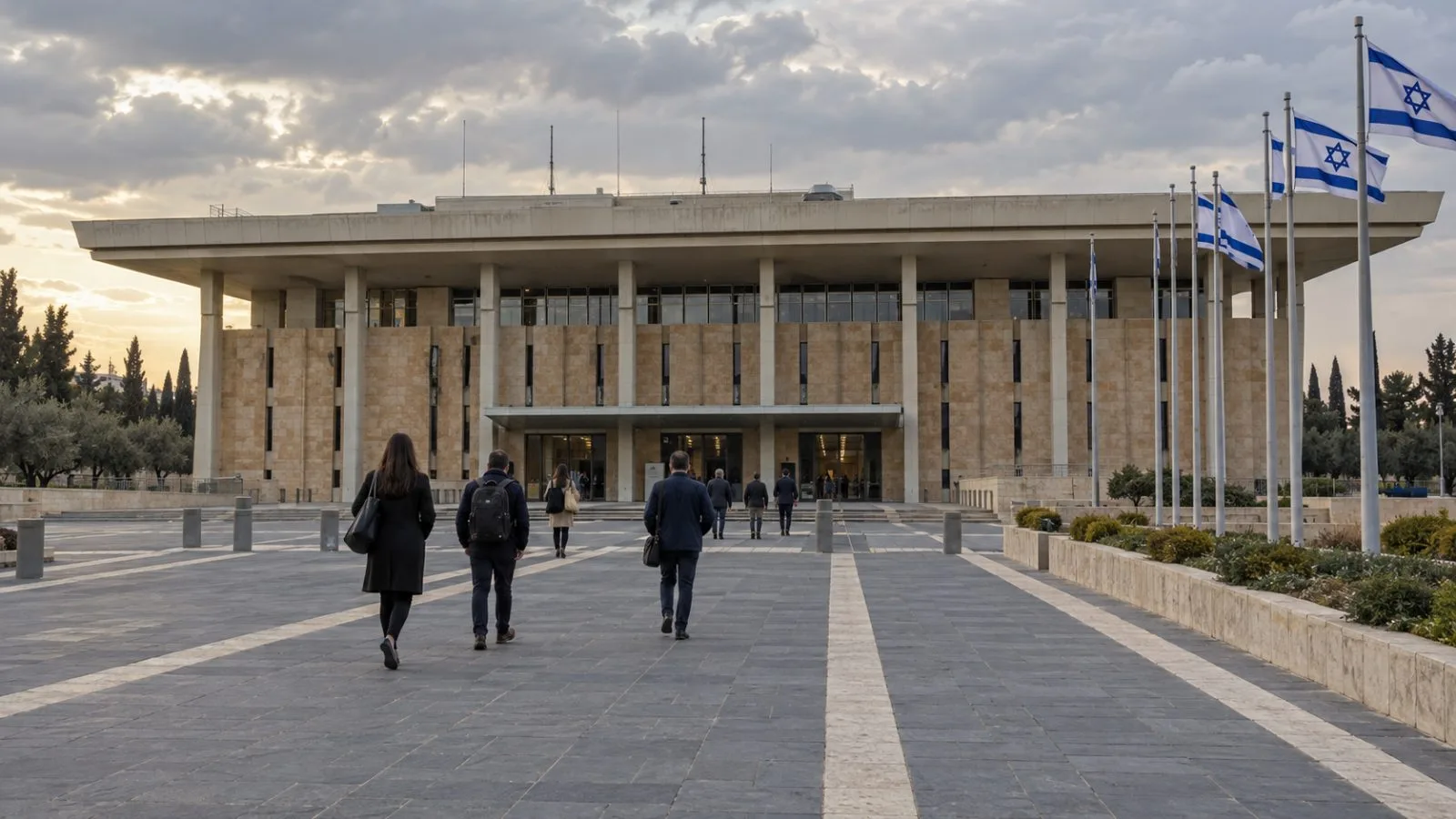
Tuesday’s vote will fill the 120-seat Knesset, Israel’s parliament. Seat totals will shape coalition negotiations after ballots are counted. EconoTimes previously reported that leaders of two Arab-led parties set different conditions for supporting Netanyahu’s rivals in those talks.
Arab party participation in government has a precedent: Raam joined the Bennett-Lapid government in 2021, becoming the first Arab party to formally enter an Israeli governing coalition, according to the Israel Democracy Institute. The current vote will show how many seats Arab-led lists bring into post-election negotiations.
The Central Elections Committee’s timetable lists Nov. 4 for publication of official results.