Iranian Foreign Minister Abbas Araghchi said Washington had accepted Tehran’s conditions for a seven-day plan to reopen the Strait of Hormuz but sought additional provisions, a claim with implications for a major energy route.
He spoke in an Oct. 21 interview with Iraq’s Al Ekhbariya and said contact with Washington was continuing through mediators in Pakistan and Qatar. Araghchi characterized the U.S. response as agreement to Iran’s conditions accompanied by a request for more clauses, but did not say what they were. The U.S. side has not confirmed his account.
Araghchi also said Iran wanted the United States to fulfill commitments under the Islamabad memorandum before the two sides discussed other issues. EconoTimes previously covered Araghchi’s account of the Hormuz conditions and U.S. response.
At a Sept. 25 U.N. media stakeout, Araghchi described a timeline that would begin only after U.S. acceptance: the Strait would fully reopen on day six, and discussions aimed at a final agreement would follow on day seven, according to the U.N. recording. Accounts of the earlier proposal from the Associated Press and Al Jazeera listed other elements, including an end to U.S. naval restrictions at Iranian ports, relief from sanctions on Iranian oil sales and a ceasefire covering Lebanon. Those terms were not detailed in the Oct. 21 interview.
In an Oct. 18 Reuters recording, Araghchi said Iran was reviewing U.S. comments on the plan and that the proposal remained on the table. President Donald Trump rejected the proposal in White House remarks on Sept. 26, saying, “I reject their proposal.”
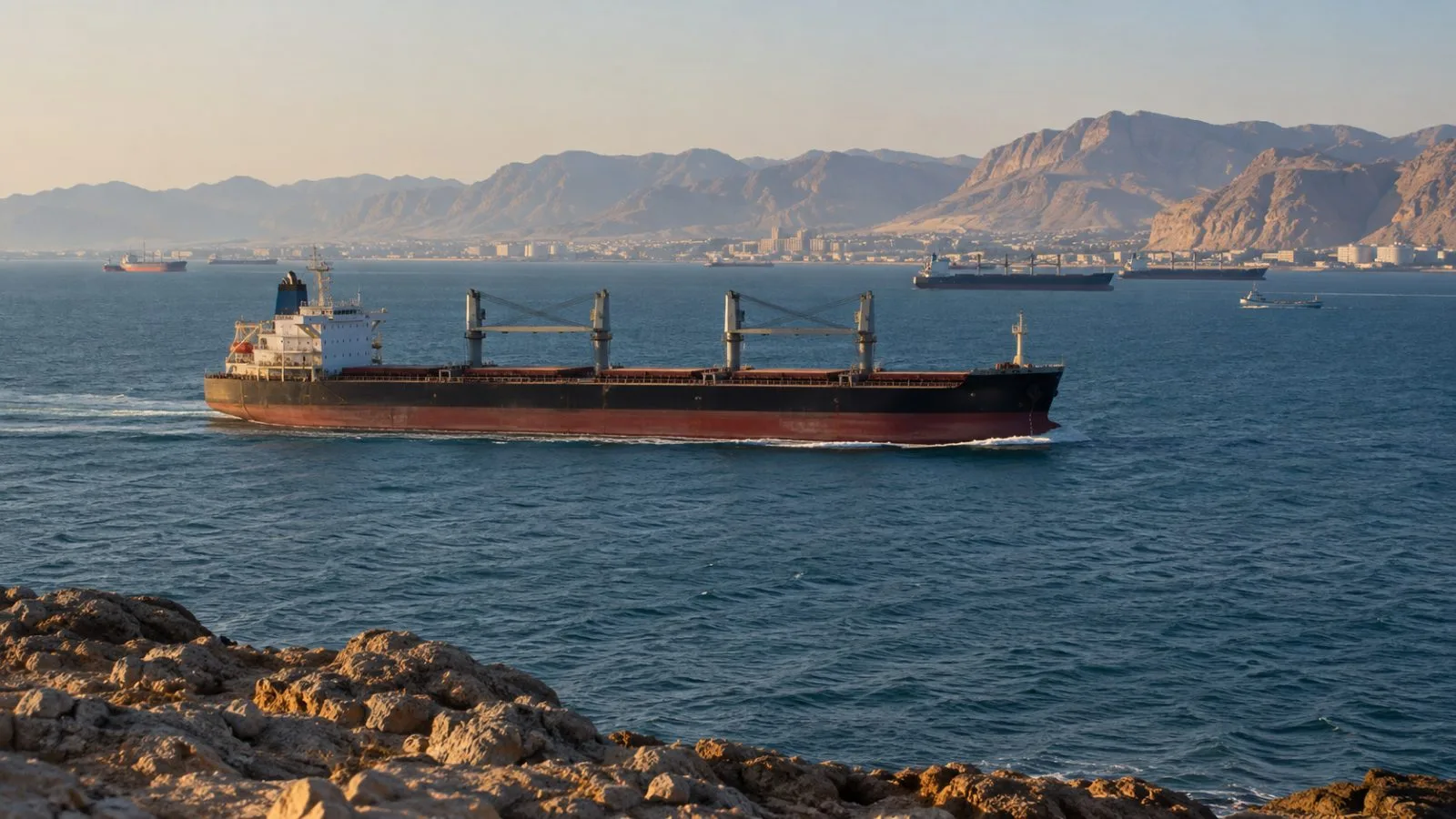
The Associated Press estimated that roughly one-fifth of global oil and gas commerce moved through Hormuz before the conflict. It also said higher oil prices were a cost for the United States, while Iran faced the naval blockade and sanctions. Araghchi gave no date for another meeting and set no deadline for a U.S. response.