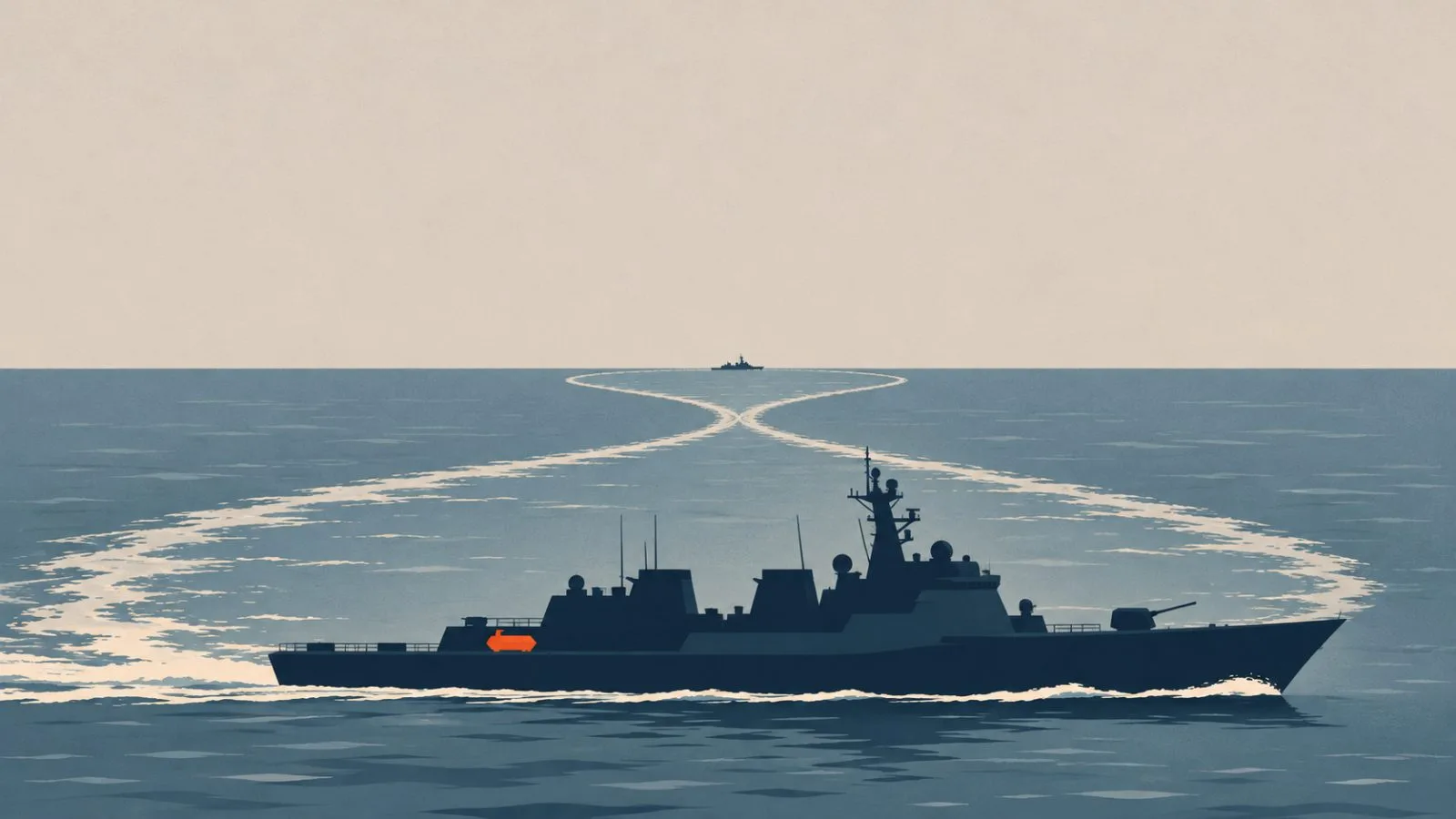
A U.S. strike left the Palau-flagged M/V Pacific Archer without propulsion in the Gulf of Oman after U.S. Central Command said it tried to evade Washington’s blockade of Iranian ports.
CENTCOM said Thursday’s operation used precision munitions against the ship’s stern after it departed Bandar Abbas. The strike disabled the vessel’s propulsion, while the civilian crew was unharmed. Tracking data identified Singapore as the ship’s planned destination.
U.S. military authorities described the Pacific Archer as at least the 15th vessel disabled since the blockade began and the sixth since enforcement resumed in July. They also said U.S. forces had diverted 158 commercial vessels.
Washington has enforced a blockade on Iranian seaports since April. Enforcement paused while Washington and Tehran held talks over the summer, then restarted in July.
The campaign has faced criticism over an earlier incident. Indian officials said a June U.S. strike on M/T Settebello killed three Indian sailors, and the head of the International Maritime Organization condemned the attack. CENTCOM has said U.S. forces issue multiple warnings before targeting merchant ships.
Rystad Energy estimated that daily crude flows averaged about 13 million barrels during the first two weeks of November, roughly 20% below October’s 15 million-to-16 million average.
A U.N. Trade and Development report said disruptions affecting the Strait of Hormuz, the Red Sea, the Black Sea and the Panama Canal were lengthening shipping routes, raising fuel costs and causing port bottlenecks. The report said alternative ports, inland transport and revised logistics were sustaining trade at higher costs.