


 Moonshot AI Executives Seek Settlement Ahead of Hong Kong IPO
  Trezor Cuts Reseller Network After Ledger Security Breach
  California Woman Arrested Over Alleged Spying on Taiwan President’s Son
  Syndax Stock Drops 15% After Axatilimab Trial Failure
  Citi Upgrades Galaxy Digital Stock, Raises Price Target to $28
  New York Times, AFP Join Coalition to Protect Content From AI
  Colombia Extradites FARC Dissident Leader ‘Spider’ to US
  Robinhood Chain Eyes Priority Gas Auctions for Faster Trades
  Epic Games Delays Disney Shooter, Shifts to AI-First Development
  OpenAI Uses AI to Uncover Hidden Recording Device, FBI Makes Arrest
  CNN, Politico and MS NOW Seek Court Order Blocking Trump White House Ban
  Arthur Hayes Announces FLOP Testnet Launch Within Weeks
  Maduro, Wife May Face New US Torture Charges
  Samsung, SK Hynix Shares Fall as China's CXMT Advances DRAM Technology
  PepsiCo Slashes Poppi Earnout Valuation as Growth Slows
  Binance to Shut Down Crypto Mining Pool Services on November 10


 Add as a preferred source on Google
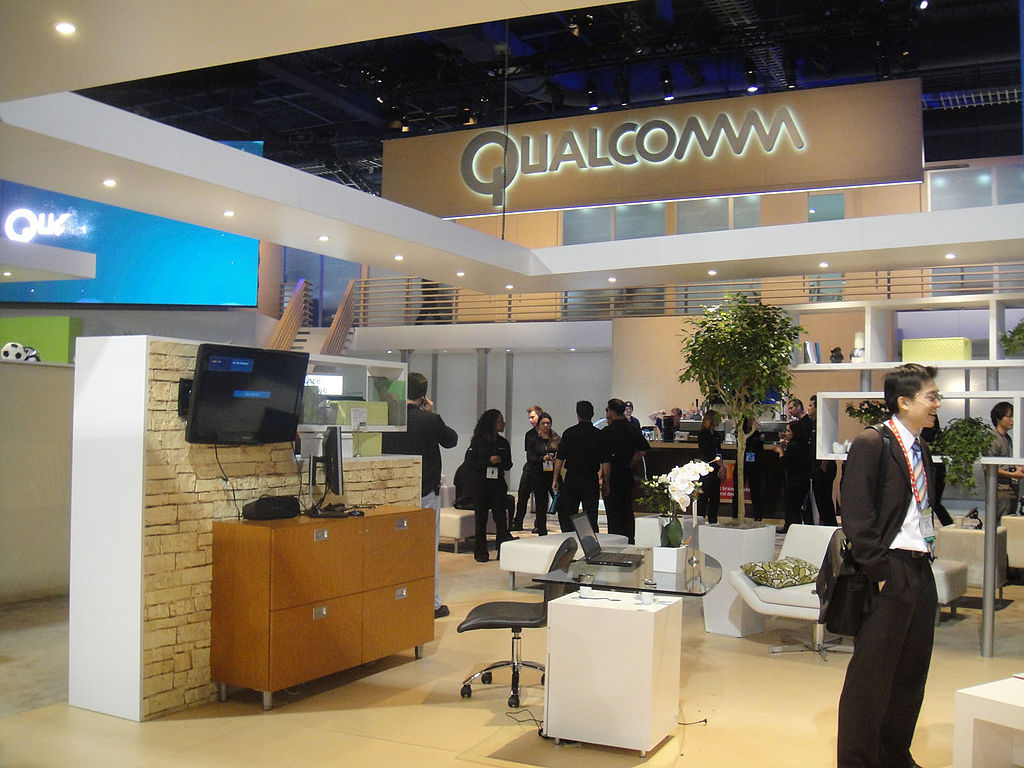
A Delaware jury has ruled that Arm Holdings violated its licensing agreement with Qualcomm and intentionally interfered with the chipmaker’s business relationship with Meta Platforms. However, the jury awarded Qualcomm just $2 in nominal damages, leaving major financial and legal questions unresolved.
The verdict, delivered Tuesday following a five-day trial, marks another chapter in the ongoing legal battle between the semiconductor companies. Their relationship has deteriorated since SoftBank Group acquired Arm in 2016, particularly as Arm expanded beyond licensing chip technology into developing its own processors.
Following the ruling, Arm shares declined approximately 1%, while Qualcomm stock gained 1%, retreating from earlier gains of around 2.4%.
Both companies claimed partial victories. Qualcomm welcomed the jury’s determination that Arm breached its Architectural License Agreement (ALA) and deliberately disrupted its business operations. Arm, meanwhile, emphasized that the minimal damages supported its position and maintained that it had acted in good faith.
The jury concluded that Arm failed to fulfill contractual obligations involving software patches and development tools. However, it sided with Arm on five additional allegations of licensing violations.
Jurors also determined that Arm intentionally and negligently interfered with Qualcomm’s relationship with Meta Platforms.
Qualcomm alleged that it was close to securing a business agreement with Meta in 2024 when Arm leaked information to Bloomberg News suggesting Qualcomm had violated its licensing terms. According to Qualcomm, the disclosure delayed the potential agreement.
Although Qualcomm received only $1 for each interference claim, the findings could significantly influence the next phase of litigation.
U.S. District Judge Maryellen Noreika must now determine whether Arm’s contractual breach allows Qualcomm to suspend royalty payments for five years, a potential financial consequence worth billions of dollars.
Arm argues that the royalty suspension provision in its licensing agreement is legally unenforceable.
The judge must also address allegations concerning Arm’s refusal to negotiate licensing terms in good faith for its next-generation chip technology.
These unresolved disputes could have substantial implications for both companies and the broader semiconductor industry. With billions in potential royalty payments at stake, either company could appeal an unfavorable ruling, extending the high-profile Arm-Qualcomm legal battle.







