Joshua Braver, associate professor of law at the University of Wisconsin Law School, argues that courts should give the president broad deference under only one of the Insurrection Act’s four deployment triggers. He makes the case in a Nov. 9 commentary for Just Security and a 2026 article in the Emory Law Journal.
The Act’s triggers appear in three sections of federal law. Section 251 covers an insurrection against a state government when its legislature requests federal help, or when the governor does so if the legislature cannot convene. Section 252 applies when the president considers unlawful obstructions, combinations, assemblages or rebellion against U.S. authority to have made ordinary judicial enforcement of federal law in a state impracticable. Section 253 sets out two additional conditions.
Braver argues the wording and history of those provisions support different levels of judicial deference. His account reaches back to a 1792 proposal that would have allowed the president to call out the militia as circumstances required in his judgment; the House rejected that language. Congress added a presidential-judgment phrase for the judicial-enforcement condition in 1861, Braver says, but did not use equivalent language for further conditions introduced in 1871. He also argues later amendments weaken reliance on Martin v. Mott as requiring broad deference under the current Act.
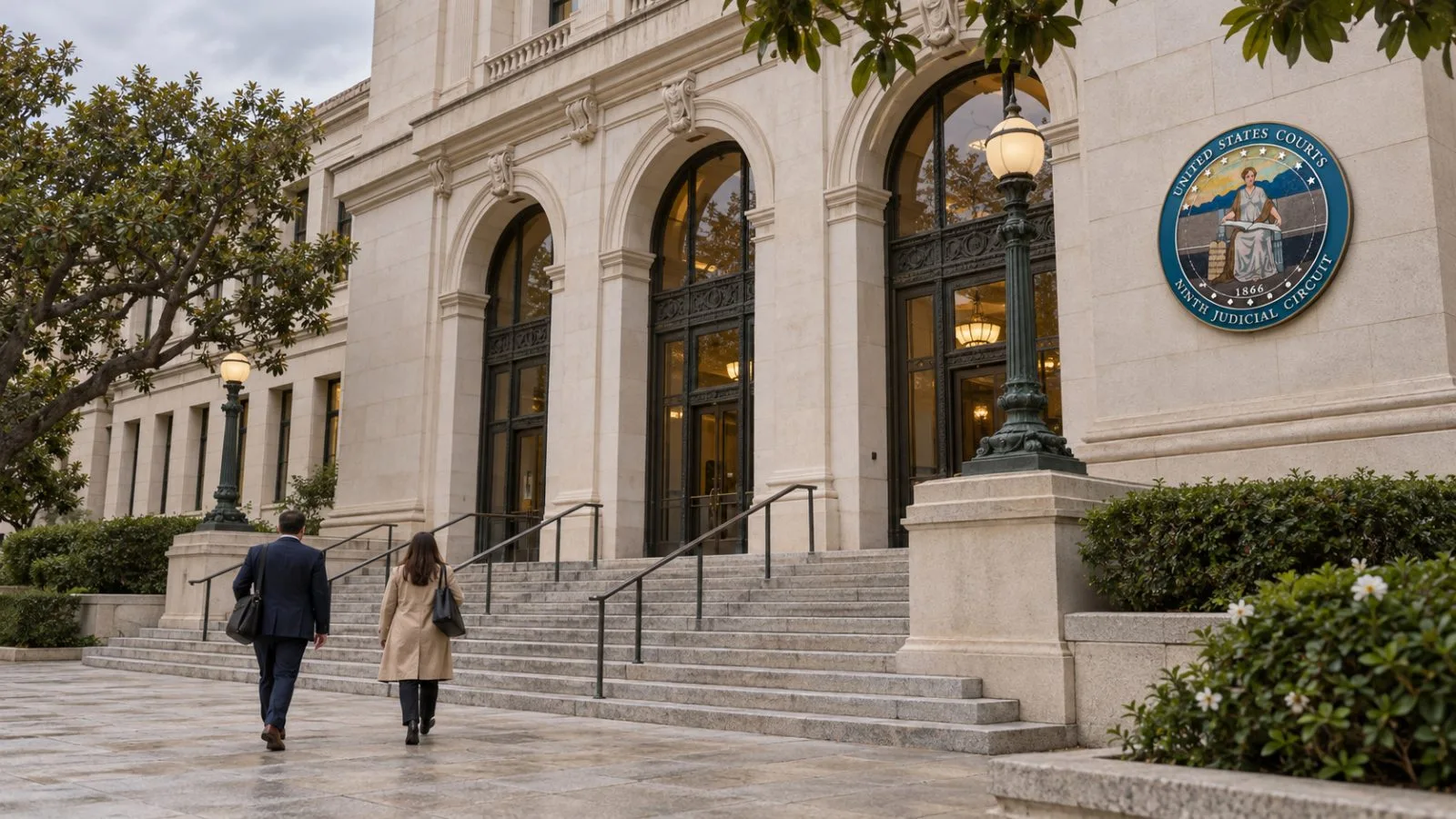
A recent ruling by the Ninth U.S. Circuit Court of Appeals involved a separate National Guard law. President Donald Trump ordered 4,000 California National Guard members into federal service for 60 days in June 2025, citing protection of federal personnel and property. On Oct. 23, 2026, the appeals court left in place a lower court’s temporary restrictions, including a bar on deployments in Los Angeles and a directive to return control to California Gov. Gavin Newsom. The panel said the administration had not shown that 10 U.S.C. § 12406 authorized the order, even as it described its review as highly deferential.
Section 12406 concerns federalizing Guard units in cases involving invasion, rebellion or danger of rebellion, or an inability to execute federal law with regular forces. Braver argues that courts should assess the Insurrection Act on its own terms. The Ninth Circuit case did not decide how courts should review an invocation of that Act.