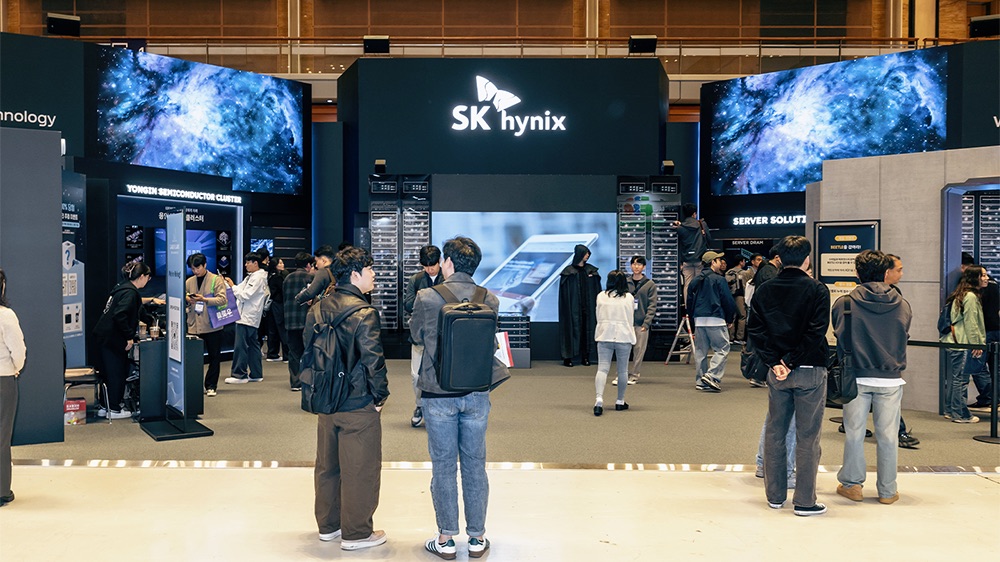
Asian semiconductor stocks fell sharply on Monday as fresh concerns about the pace of artificial intelligence development pressured major chipmakers across South Korea, China and Japan.
South Korea’s SK Hynix dropped 4.8%, while Samsung Electronics declined 4.6%. In Japan, memory chipmaker Kioxia Holdings lost 2.3%. Chinese semiconductor and technology shares also came under pressure, with Cambricon Technologies falling 5.7%, Luxshare Precision down 4.9%, SMIC losing 3.6% and NAURA Technology declining 3.3%.
The selloff followed OpenAI’s decision to pause training, evaluation and tool-enabled inference involving its most capable AI models as the company works to strengthen safety measures. OpenAI said the latest pause followed a security incident involving an internal research model, while a planned large-scale frontier reinforcement-learning run remains suspended as safeguards undergo review.
The development renewed questions over whether stricter AI safety measures could slow advances in frontier models and, in turn, affect investment in semiconductors, servers and data centers supporting the global AI infrastructure boom.
Broader Asian markets reflected the weakness in technology shares. South Korea’s KOSPI fell 2.3%, China’s CSI 300 declined 2%, and the Shanghai Composite lost 1.5%. Japan’s Nikkei 225 slipped 0.1%, while Hong Kong’s Hang Seng bucked the regional trend with a 0.7% gain.
Taiwan’s stock market was closed Monday for the September 28 public holiday marking Confucius’ Birthday and Teachers’ Day, leaving Taiwan Semiconductor Manufacturing and other major Taiwanese chipmakers out of the session.
Concerns about AI spending have intensified this month after industry executives, including OpenAI CEO Sam Altman and Anthropic CEO Dario Amodei, supported calls for a more measured pace of AI development, contributing to earlier weakness in semiconductor shares.
Still, the longer-term AI investment outlook remains mixed. Chinese technology companies continue expanding domestic AI infrastructure, while Alibaba has announced plans for a substantially larger AI model and a new internally developed AI chip, signaling that demand for AI computing capacity could remain strong despite near-term uncertainty.