Asian currencies traded in a narrow range on Wednesday as geopolitical uncertainty surrounding the U.S.-Israel war on Iran, combined with a wave of major central bank meetings, prompted traders to adopt a cautious stance. Market participants remained largely on the sidelines, awaiting clearer signals on global monetary policy direction.
The U.S. dollar stabilized following two consecutive weeks of solid gains, with the Federal Reserve broadly anticipated to keep interest rates on hold at its Wednesday meeting. Investor attention was focused on the Fed's forward guidance, particularly as rising energy prices — fueled by the ongoing Iran conflict — added a new layer of complexity to the inflation outlook. According to CME FedWatch data, markets have largely priced out rate cut expectations, now anticipating steady U.S. rates through at least September.
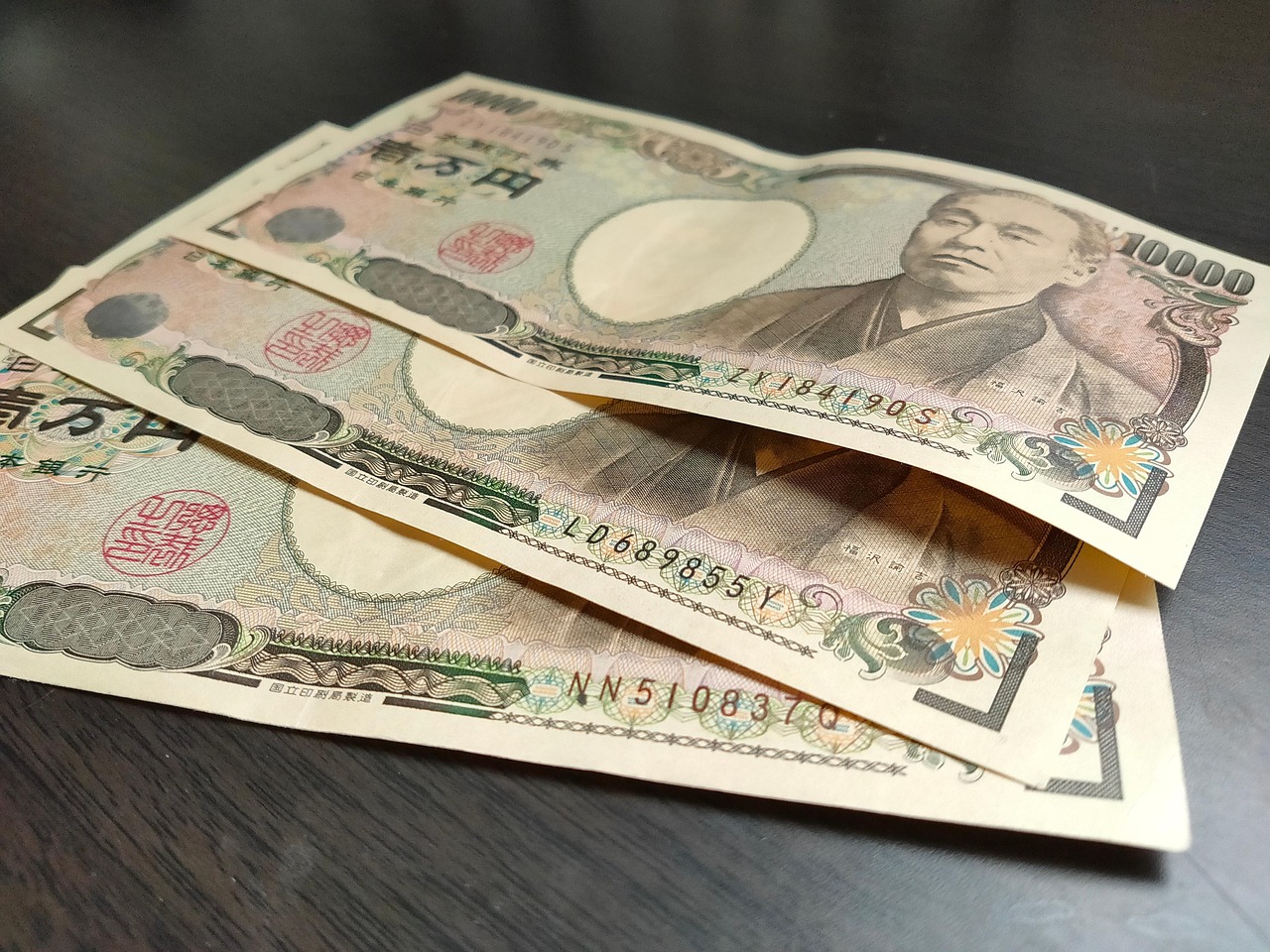
The Japanese yen showed modest resilience, pulling back from its weakest level in 19 months. The currency found some support from Japanese government officials reiterating intervention warnings, while a surprise trade surplus in February — driven by strong export performance — offered mild additional relief. All eyes now turn to the Bank of Japan's Thursday rate decision, where a hawkish hold is increasingly anticipated given energy-driven inflationary pressures.
Elsewhere across Asia, currency movements were largely subdued. The Chinese yuan slipped 0.1%, while the Singapore dollar edged 0.1% higher. The Indian rupee hovered near record lows around 92.4 against the dollar, weighed down by surging oil prices. The Australian dollar posted a slight gain following the Reserve Bank of Australia's rate hike on Tuesday, while the Taiwan dollar and South Korean won remained largely unchanged.
Beyond Asia, the European Central Bank, Bank of England, and Swiss National Bank are all scheduled to meet this week, further reinforcing the broader tone of global market caution.