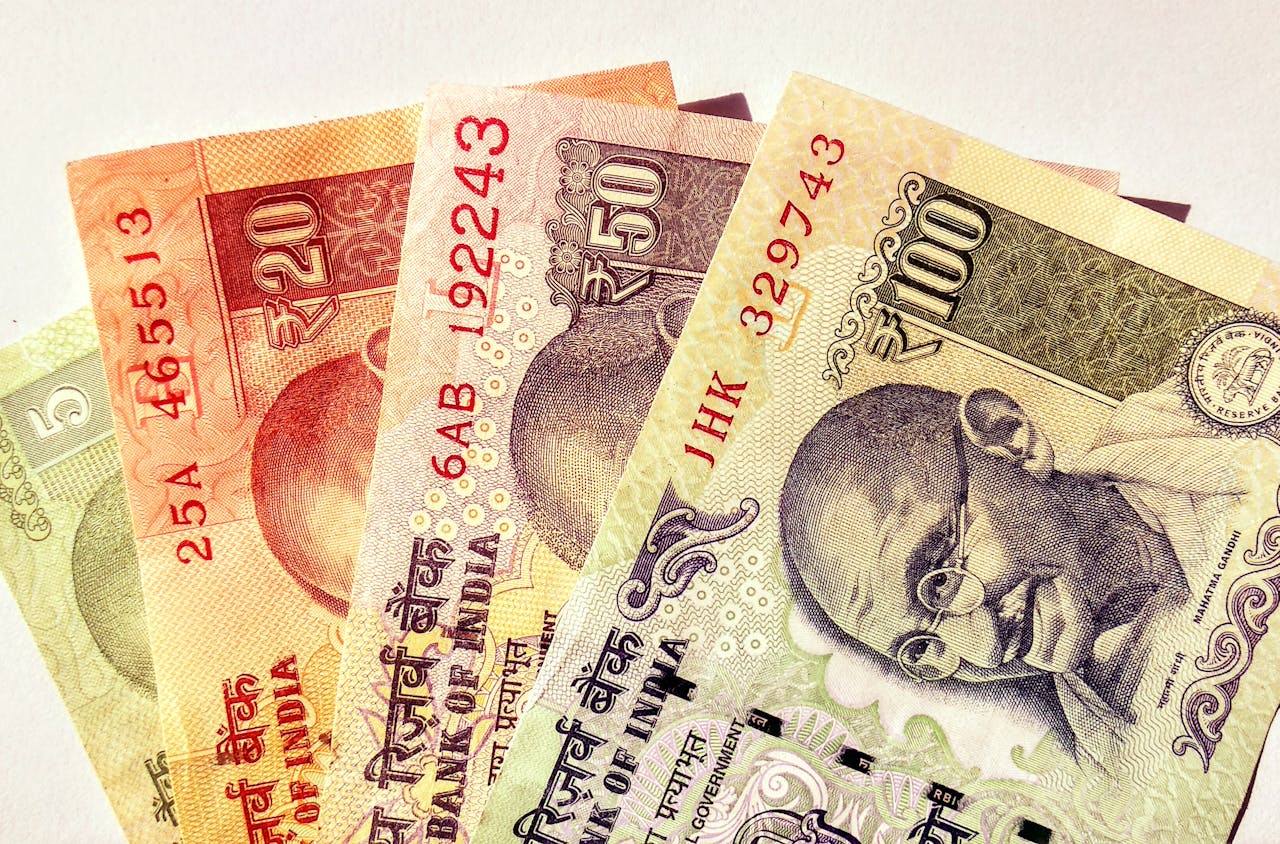
Asian currencies weakened further on Tuesday, led by the Indian rupee, which plunged to a record low as rising Middle East tensions pushed crude oil prices higher and strengthened demand for the U.S. dollar. Investors also remained cautious ahead of key U.S. inflation data and an anticipated meeting between U.S. President Donald Trump and Chinese President Xi Jinping later this week.
The Indian rupee suffered heavy losses, with the USD/INR pair surging to an all-time high of 95.625 before trimming gains after suspected intervention by the Reserve Bank of India. The sharp decline reflects growing concerns over India’s rising import costs due to elevated oil prices. Prime Minister Narendra Modi urged businesses and consumers to reduce fuel usage, avoid unnecessary travel, and limit imports to protect the country’s foreign exchange reserves.
The broader Asian forex market also remained under pressure as fears surrounding the Iran conflict continued to impact investor sentiment. Oil-importing economies across the region faced mounting pressure as crude prices stayed elevated amid uncertainty over the stability of the Middle East.
U.S. President Donald Trump stated that the ceasefire discussions with Iran were “on massive life support,” highlighting significant disagreements between both sides despite ongoing peace efforts. Concerns intensified after reports suggested Trump is considering renewed military operations against Iran if negotiations fail. Investors fear any escalation could threaten shipping routes through the Strait of Hormuz, a key channel for global oil supplies.
Elsewhere in Asia, the South Korean won weakened sharply, with USD/KRW climbing 0.7% after nearly a 1% jump in the previous session. The Japanese yen and Singapore dollar also declined against the U.S. dollar, while the Australian dollar slipped 0.3%. China’s yuan remained relatively stable.
Markets are now closely watching the upcoming U.S. Consumer Price Index report for signals on the Federal Reserve’s interest rate outlook. Traders are also focused on the Trump-Xi meeting, which is expected to cover trade tensions, energy security, and the Iran conflict. Analysts believe any improvement in U.S.-China relations could help stabilize Asian currencies and ease market concerns.