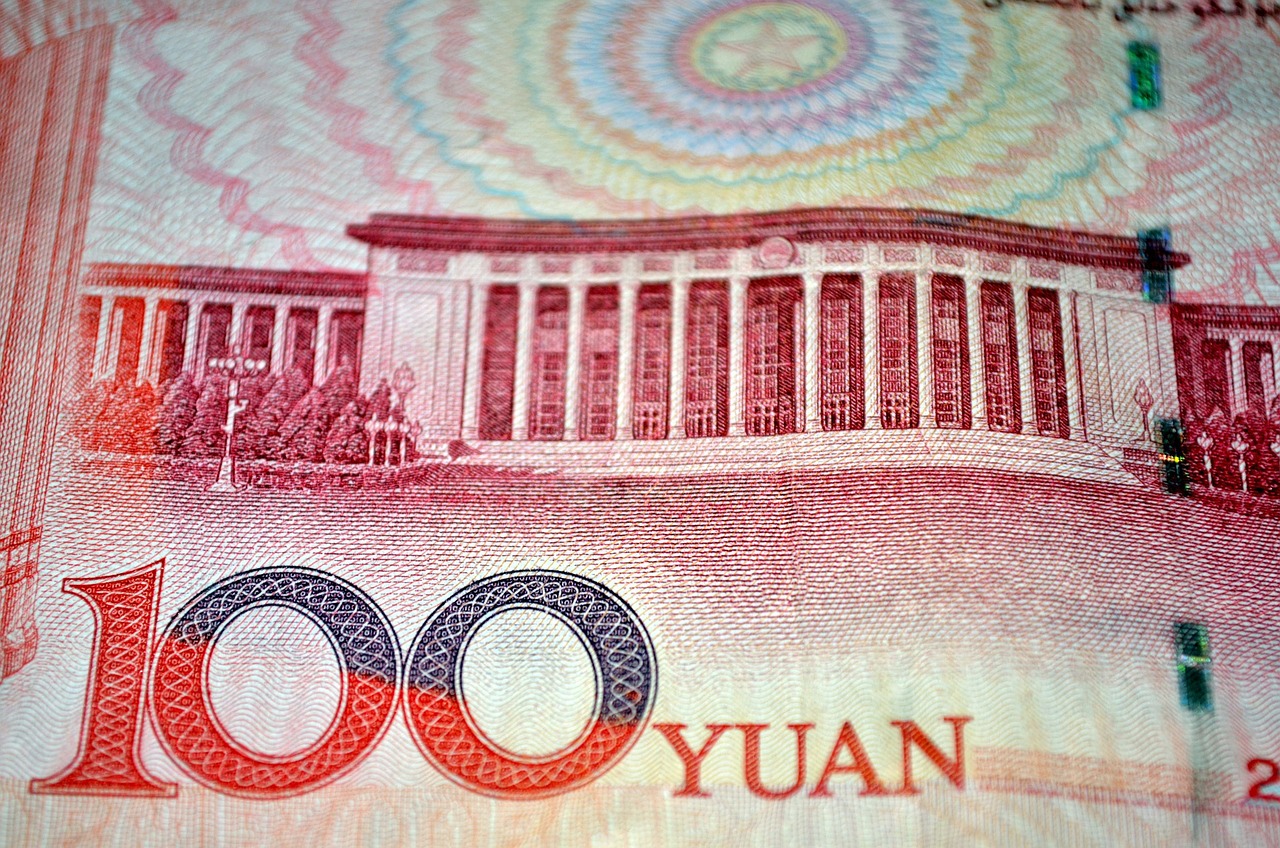
Asian currencies traded within a narrow range on Wednesday as investors awaited further developments in U.S.-Iran ceasefire negotiations, while softer-than-expected U.S. inflation data offered modest relief to markets. The dollar edged slightly higher in Asian trading after a seven-session losing streak, weighed down by easing safe-haven demand and cooling inflation concerns.
The Chinese yuan held steady ahead of China's first-quarter GDP report due Thursday, which analysts expect will reflect a rebound from a sluggish December quarter. The Japanese yen slipped modestly, hovering near its lowest levels in roughly 18 months. Meanwhile, the dollar index and dollar index futures each gained less than 0.1%, staying under pressure despite the marginal bounce.
Tuesday's U.S. Producer Price Index reading came in below forecasts for March. Although energy prices climbed due to the ongoing Iran conflict, core inflation figures showed more contained growth, fueling optimism that the Federal Reserve retains room to cut interest rates. Former Fed Chair and Treasury Secretary Janet Yellen echoed that sentiment, stating she anticipates at least one rate cut this year despite ongoing economic uncertainty tied to the Iran war.
Across Asia, currency movements were subdued. South Korea's won was little changed after the incoming Bank of Korea Governor signaled a potentially hawkish policy stance, citing inflationary risks from the conflict and a weakened won. South Korean trade figures for March surprised to the upside, driven by robust semiconductor exports tied to artificial intelligence demand. The Australian dollar gained 0.3% as risk appetite improved, while the Indian rupee edged lower following softer-than-expected domestic inflation data. The Singapore dollar was flat after the Monetary Authority of Singapore tightened policy settings marginally the day before.
On the geopolitical front, the U.S. military confirmed its naval blockade against Iran was fully operational, cutting off all economic trade to and from the country. Despite this escalation, a fragile ceasefire appeared to remain in place, with President Donald Trump expressing confidence that a resolution was close and indicating further talks were expected within days.