Asian currencies traded in a narrow range on Friday while the U.S. dollar remained largely unchanged, as investors assessed reports suggesting the United States and Iran are close to extending their ceasefire agreement. The development improved market sentiment and supported risk appetite across financial markets, though uncertainty surrounding a long-term resolution kept currency movements limited.
The U.S. Dollar Index hovered near 99 during Asian trading hours after slipping 0.2% in the previous session, putting the greenback on track for a weekly decline. U.S. Dollar Index futures also showed little movement as traders awaited further clarity on geopolitical developments and monetary policy expectations.
According to reports, Washington and Tehran have agreed on a draft framework that could extend the current ceasefire by an additional 60 days while negotiations continue over Iran’s nuclear program and regional security concerns. The proposal still requires approval from U.S. President Donald Trump and confirmation from Iranian officials. Optimism surrounding the potential agreement eased concerns over disruptions in the Strait of Hormuz, helping stabilize energy markets and boost investor confidence.
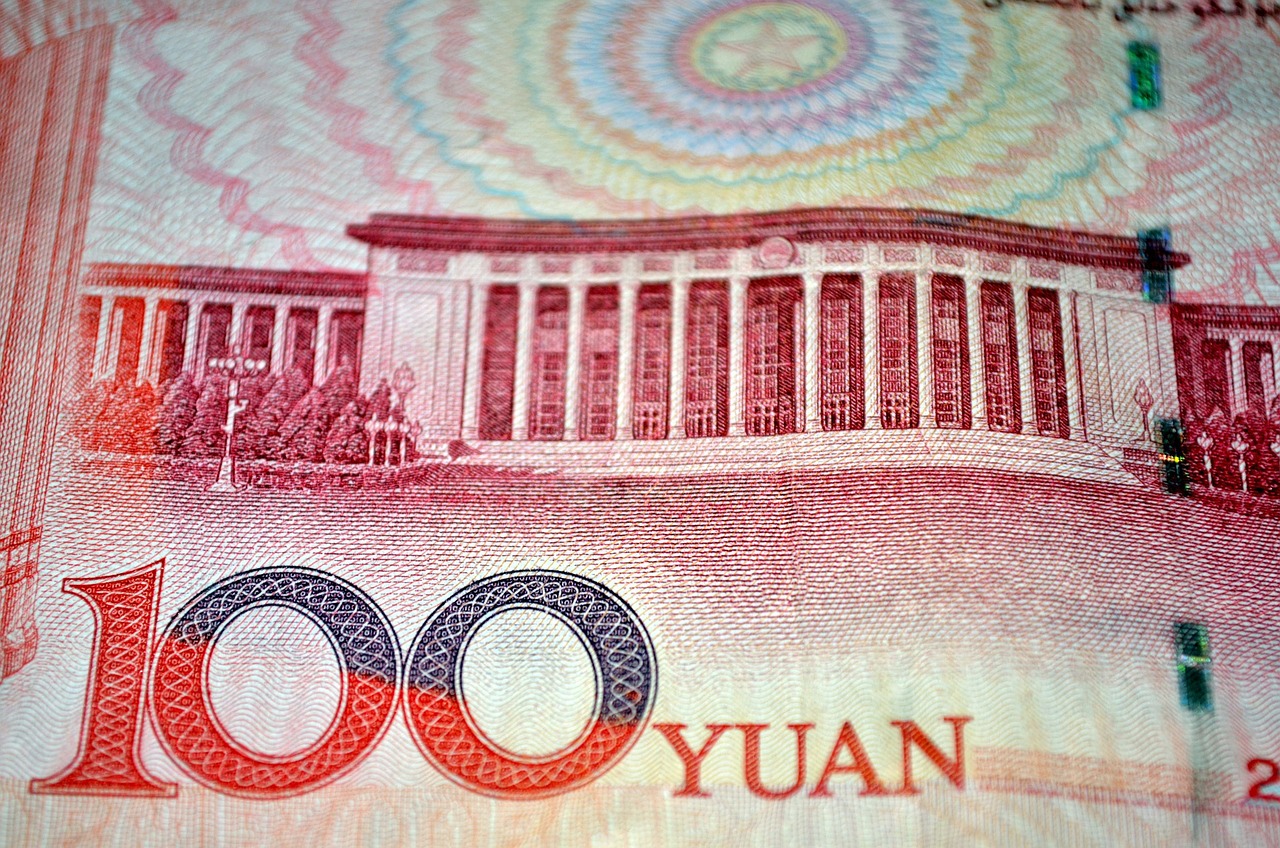
Despite the positive sentiment, Asian foreign exchange markets remained cautious. China’s onshore yuan strengthened slightly, with USD/CNY falling 0.1%. India’s rupee also gained ground as USD/INR slipped 0.2%. Meanwhile, Singapore’s dollar weakened marginally, with USD/SGD rising 0.1%. South Korea’s won underperformed regional peers, as USD/KRW climbed 0.5%, while Australia’s dollar traded mostly flat against the U.S. currency.
The Japanese yen was little changed, with USD/JPY holding steady after fresh inflation data from Tokyo showed weaker-than-expected price growth in May. Tokyo core consumer inflation slowed to 1.3% year-over-year, remaining below the Bank of Japan’s 2% target for a fourth consecutive month. Headline inflation eased to 0.7%, while the index excluding fresh food and energy was flat.
The softer inflation figures reinforced expectations that the Bank of Japan will continue its cautious approach toward policy normalization, limiting support for the yen. At the same time, markets continued to evaluate recent U.S. inflation data, which showed the Federal Reserve’s preferred inflation measure, the Personal Consumption Expenditures (PCE) Price Index, rising 3.8% annually in April. Persistent inflation pressures have strengthened expectations that U.S. interest rates may remain elevated for longer, although weaker economic growth data has tempered gains in Treasury yields and prevented significant dollar appreciation.