Asian stock markets rebounded on Wednesday after suffering steep losses in the previous session, as investors weighed strong earnings from South Korean chipmaker SK Hynix against lingering concerns over artificial intelligence valuations, geopolitical tensions, and the Federal Reserve’s upcoming interest rate decision.
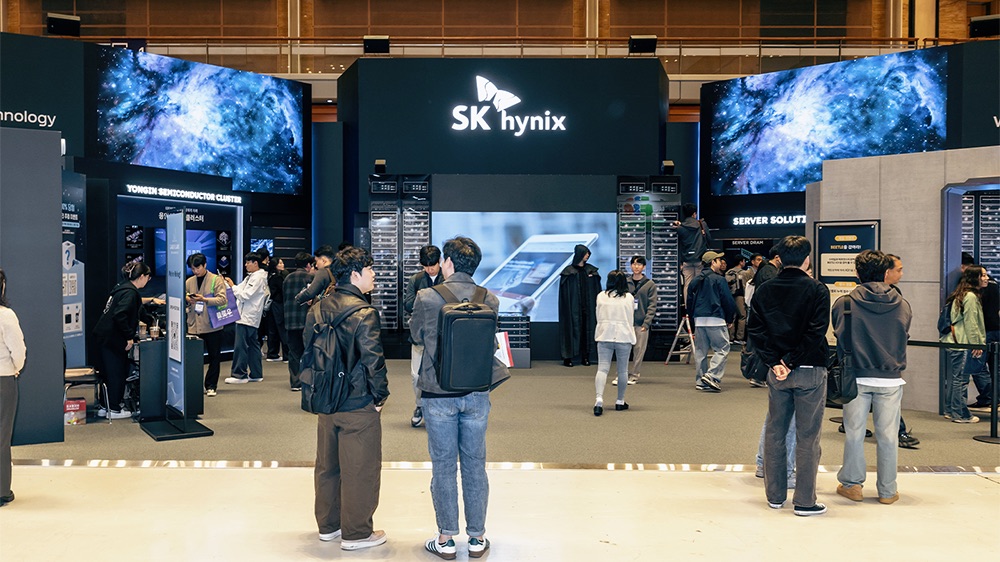
South Korea’s KOSPI rose more than 1% after plunging over 10% on Tuesday, with SK Hynix shares gaining 2% despite the company reporting quarterly results that fell short of elevated market expectations. The memory chip giant posted a more than sixfold jump in operating profit, supported by continued demand for AI-related semiconductors, helping ease concerns surrounding the sector.
The broader recovery extended across the region, with MSCI’s Asia-Pacific index outside Japan climbing 0.8% after a sharp 3.6% decline a day earlier. Japan’s Nikkei 225 also advanced about 1%, although the benchmark remains on track for a double-digit monthly loss as investors reassess AI-related valuations.
Market participants are now focused on earnings from Microsoft and Meta Platforms, which are expected to provide fresh insight into AI spending trends after disappointing cash flow reports from Alphabet and Tesla unsettled investors last week.
Analysts said the market appears to be rotating between sectors rather than entering a broad risk-off phase, though volatility is expected to remain elevated ahead of the Fed’s policy announcement.
Meanwhile, oil prices surged more than 3% after Iran launched ballistic missiles targeting U.S. forces in the Middle East. Although U.S. Central Command said all missiles were intercepted, the renewed tensions reignited concerns over supply disruptions through the Strait of Hormuz, a vital global energy shipping route.
Brent crude climbed to around $86.80 per barrel, while West Texas Intermediate (WTI) traded near $81.95, adding to inflation concerns just hours before the Fed’s decision.
Markets largely expect the Federal Reserve to leave interest rates unchanged, but uncertainty remains high under Chair Kevin Warsh’s limited forward guidance. Futures markets currently assign roughly a one-third probability of a rate hike, with some analysts arguing that rising energy prices could strengthen the case for tighter monetary policy.