
Australia and the European Union have officially signed a landmark free trade agreement, marking the end of years of negotiations and opening a new chapter in economic relations between the two regions. The deal gained momentum in recent months as rising global trade tensions — largely fueled by U.S. tariffs — pushed both sides to accelerate talks that originally began in 2018.
The agreement is set to eliminate more than 99% of tariffs on EU goods exported to Australia, saving European companies an estimated one billion euros annually. Tariffs on critical minerals imports will also be reduced, a significant move as the EU works to reduce its dependence on China, which has imposed export controls on several key resources. The deal is part of a broader European strategy to deepen ties across the Indo-Pacific, following recent trade accords with Indonesia and India.
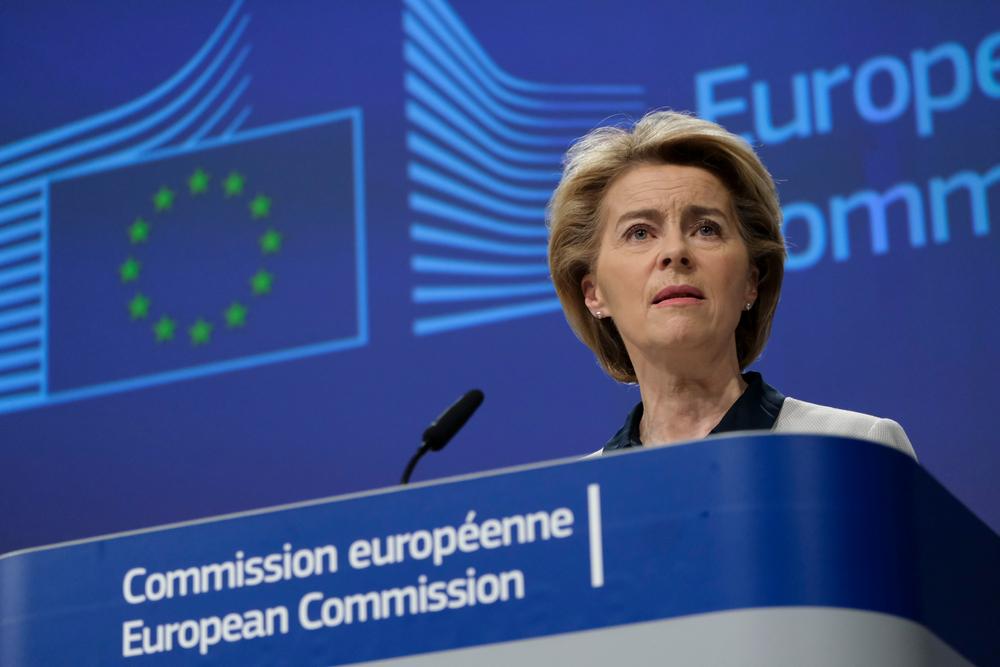
European Commission President Ursula von der Leyen described the partnership as a natural fit, noting that despite the geographic distance, both parties share closely aligned values and a common vision for global trade. The European Commission projects that the agreement could boost EU exports to Australia by as much as 33% over the next decade.
The trade deal covers a wide range of sectors. European agricultural products — including wine, fresh produce, and chocolates — will enter Australia duty-free immediately, while cheese tariffs will phase out over three years. For beef, the EU is opening a combined tariff-rate quota of over 30,000 tons, with roughly half entering duty-free. Financial services and telecommunications are also covered, giving EU firms expanded market access.
Previous negotiations collapsed in 2023 over disputes on meat import quotas and agricultural protections. Bilateral trade is already significant, with EU goods and services exports to Australia totaling over 65 billion euros in recent years.


