


 Yen in Focus as BOJ, Fed Rate Hikes Reshape Currency Markets
  China Cuts Tariffs on U.S. Farm Goods but Excludes Soybeans
  Gold Slides Below $4,300 as Oil Surge Fuels Fed Rate Hike Bets
  China Industrial Profit Growth Slows as Weak Demand Offsets AI Gains
  Japan Warns Markets Over Yen Weakness
  Hong Kong Home Prices Stabilize in August After July Decline
  Global Central Banks Brace for More Rate Hikes as Inflation Risks Rise
  US Dollar Hits Two-Month High as Aussie, Pound Slide
  BOJ Set for Rate Hike as Inflation and Yen Pressure Mount
  Fed’s Williams Signals One More Rate Hike Before Year-End
  RBI Uses $10 Billion Currency Swaps to Drain Excess Rupee Liquidity
  ECB May Stop Rate Hikes After December, Capital Economics Says
  XRP Price Targets $1.70 as Bullish Momentum Builds


 Add as a preferred source on Google
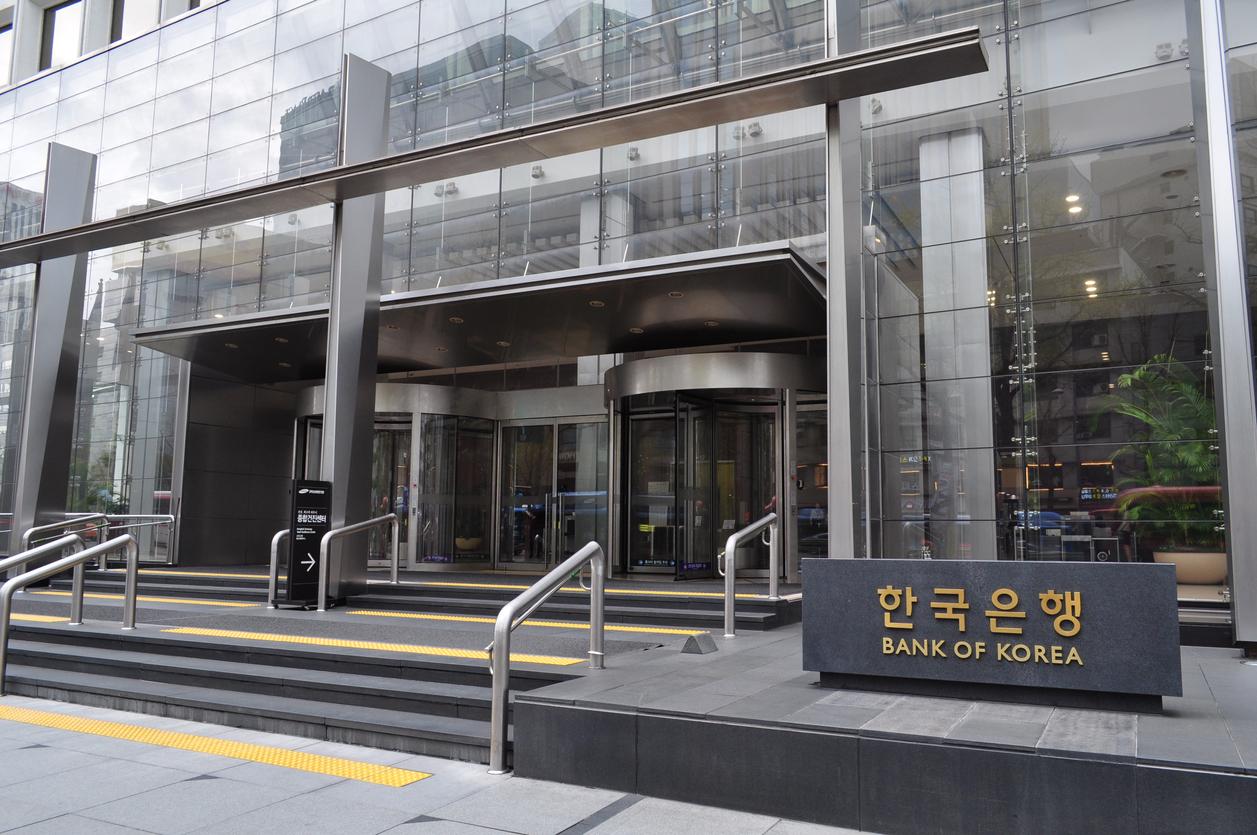
South Korea’s central bank is expected to place greater emphasis on inflation control after rising global oil prices triggered concerns that inflation could move above the Bank of Korea’s 2% target. The warning came from outgoing Monetary Policy Board member Shin Sung-hwan, who said inflation risks have intensified due to the ongoing conflict involving Iran and its impact on energy markets.
Speaking at a press conference on Monday ahead of the end of his term, Shin stated that the Bank of Korea should prioritize stabilizing prices even if doing so creates pressure on economic growth. He noted that if inflation continues to rise beyond the central bank’s target, policymakers may need to focus more aggressively on containing price increases despite potential economic trade-offs.
Shin, widely viewed as a dovish policymaker, had previously supported interest rate cuts at several meetings following the Bank of Korea’s last rate reduction in May 2025. However, he acknowledged that the recent spike in crude oil prices has complicated discussions about further monetary easing.
According to Shin, if oil prices remain near $100 per barrel, the central bank must work to prevent higher energy costs from spreading across the broader economy. He stressed that limiting inflationary spillover effects is essential to fulfilling the Bank of Korea’s mandate.
South Korea’s consumer inflation rate accelerated to 2.6% in April, marking its highest level in nearly two years and fueling expectations that interest rates could rise later this year. The Bank of Korea kept rates unchanged last month, citing uncertainty surrounding the Iran conflict and the need to assess its impact on both growth and inflation before making policy adjustments.
Shin also highlighted the country’s strong AI-driven semiconductor demand, which has supported economic growth, while warning about the economy’s heavy reliance on the chip sector. Additionally, he stated that the South Korean won remains significantly undervalued against the U.S. dollar despite existing interest rate differences between the two countries.







