Australia and the United States have agreed to deepen defence cooperation, potentially expanding the U.S. military presence in Australia as both countries seek to strengthen deterrence and security across the Indo-Pacific amid China’s growing regional influence.
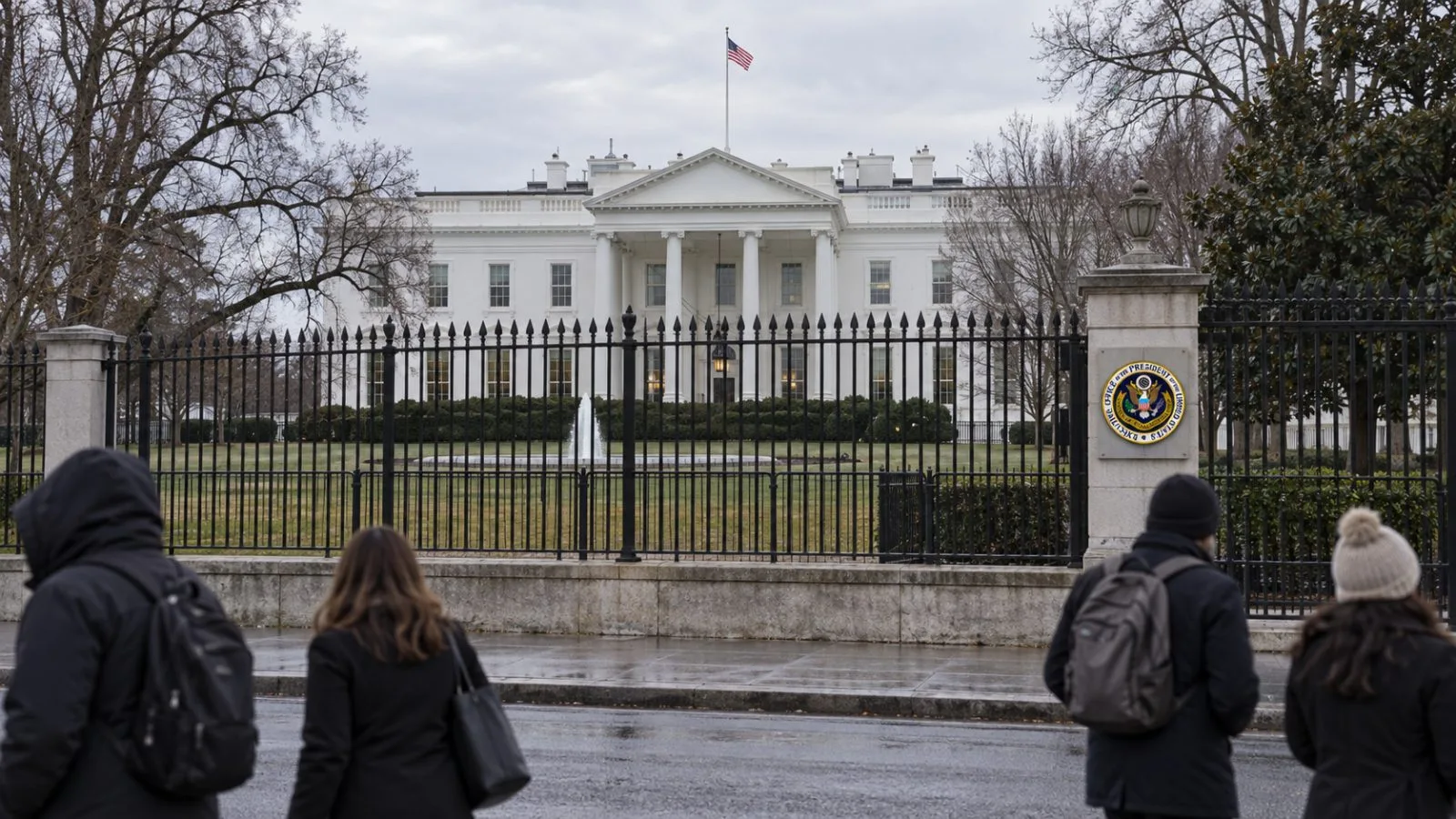
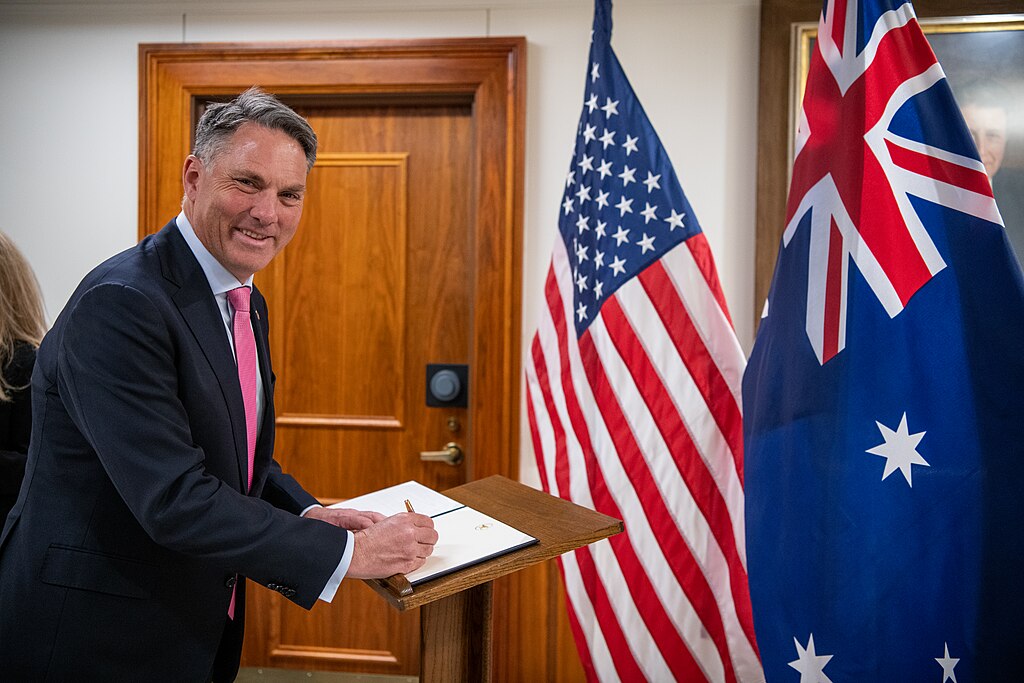
Australian Defence Minister Richard Marles met U.S. Defence Secretary Pete Hegseth in Washington on Wednesday, saying the American military footprint in Australia was increasing across multiple areas.
“American force posture in Australia is growing,” Marles told reporters after the meeting.
The U.S.–Australia Force Posture Initiatives allow American forces to conduct training, rotate aircraft and store military equipment in Australia, while also providing logistics support for U.S. vessels.
Marles said the expanding cooperation was important for maintaining peace, stability and deterrence in the Indo-Pacific and served Australia’s national security interests.
He did not confirm whether the strengthened partnership would involve more U.S. troops being based in Australia. Further details are expected when Australian and U.S. defence ministers meet again later this year.
Defence cooperation between the allies also includes AUKUS, the security partnership involving Australia, the United States and Britain. U.S. defence personnel are already working at HMAS Stirling naval base in Western Australia, which is expected to host four U.S.-commanded Virginia-class submarines from 2027.
China has repeatedly criticized AUKUS, warning that the pact could increase military tensions and fuel an arms race in the region.
Hegseth said Australia and the United States were strongly aligned on their national defence strategies and emphasized the importance of allies investing in their own security capabilities while contributing to collective defence.
The talks came as the Pacific Islands Forum entered its final day in Palau on Thursday. The summit has faced tensions surrounding China’s protest over the attendance of Taiwan’s foreign minister, as well as the absence of several regional leaders.
Australia and the United States have also announced a combined $580 million in funding for Pacific Island nations, stepping up regional engagement as China expands its influence through infrastructure projects, grants and development assistance.