Nigeria’s solid-minerals revenue exceeded ₦101 billion in the first nine months of 2026, Solid Minerals Development Minister Dele Alake said, crediting reforms as the government seeks to reduce its reliance on crude oil.
Alake made the claim Tuesday, Nov. 10, at the All Progressives Congress’ unveiling of its 2027–2031 manifesto in Abuja. He put annual revenue at ₦6 billion in 2023, ₦38 billion in 2024 and ₦70 billion in 2025, and credited reforms under President Bola Tinubu for the increase.
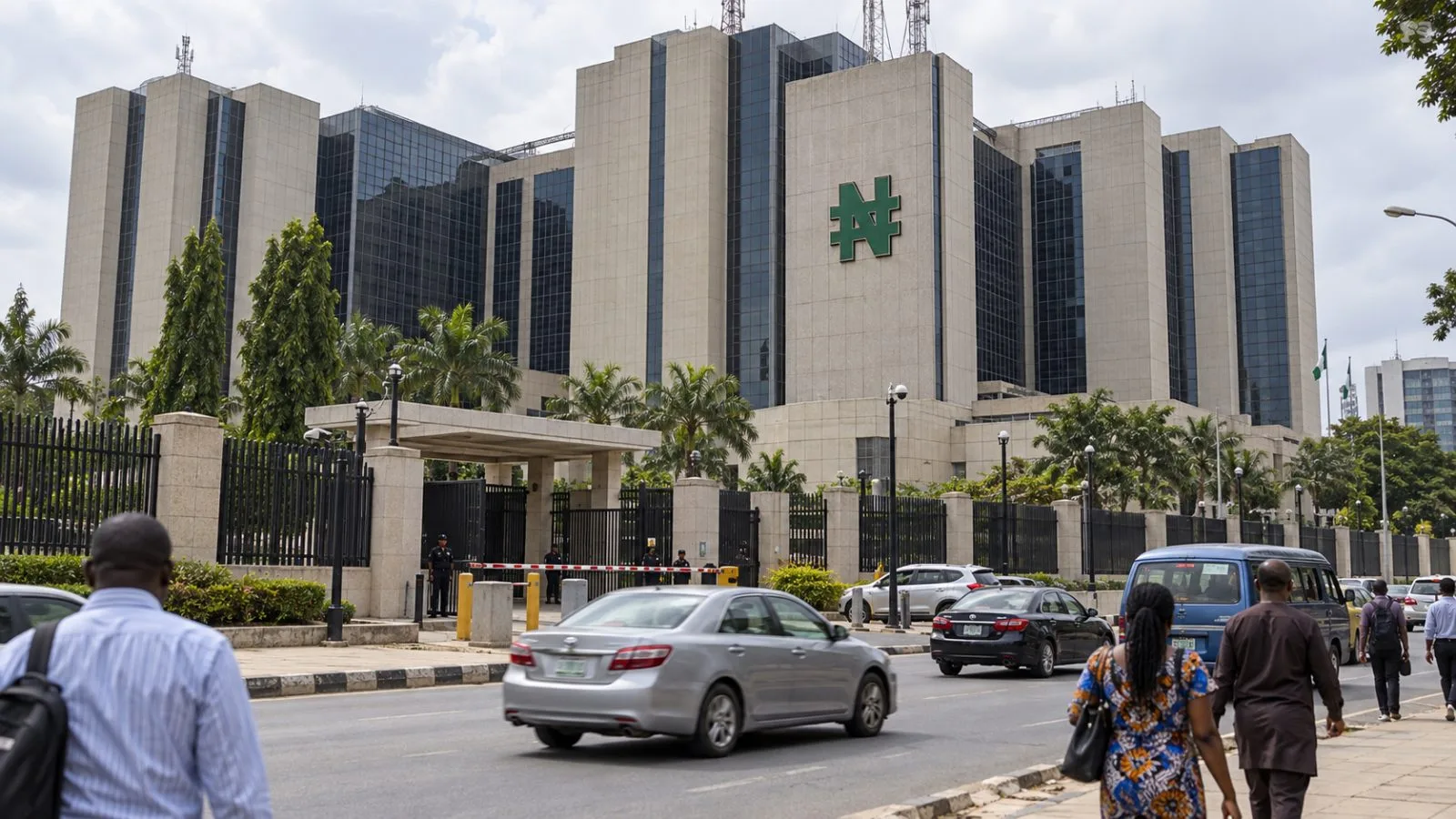
Punch, citing Central Bank of Nigeria collections figures, reported a total of ₦101.11 billion from January through September 2026, up 95.2% from ₦51.79 billion in the same period of 2025. Punch attributed ₦66.12 billion to mineral royalties, ₦33.54 billion to ministry fees and ₦1.45 billion to miscellaneous receipts.
The Budget Office of the Federation’s annual reports put solid-minerals revenue at ₦14.94 billion in 2023 and ₦26.98 billion in 2024. The Nigeria Extractive Industries Transparency Initiative (NEITI) reported ₦14.889 billion accrued to the solid-minerals revenue account in its 2023 audit. Alake’s 2023 figure is below the Budget Office’s total, while his 2024 figure is above it; the records do not explain the differences.
The Budget Office’s separate second-quarter 2026 implementation report recorded ₦55.11 billion in total solid-minerals revenue through June, comprising ₦15.62 billion in the first quarter and ₦39.48 billion in the second. The records do not establish whether this budget series measures the same collection flows as the figures Punch cited.
Nigeria’s government has put mineral development among its efforts to broaden public income and foreign-currency earnings while reducing reliance on crude oil. Premium Times has described obstacles including weak oversight, illegal mining, security problems around mining communities, limited processing capacity and gaps in geological data.