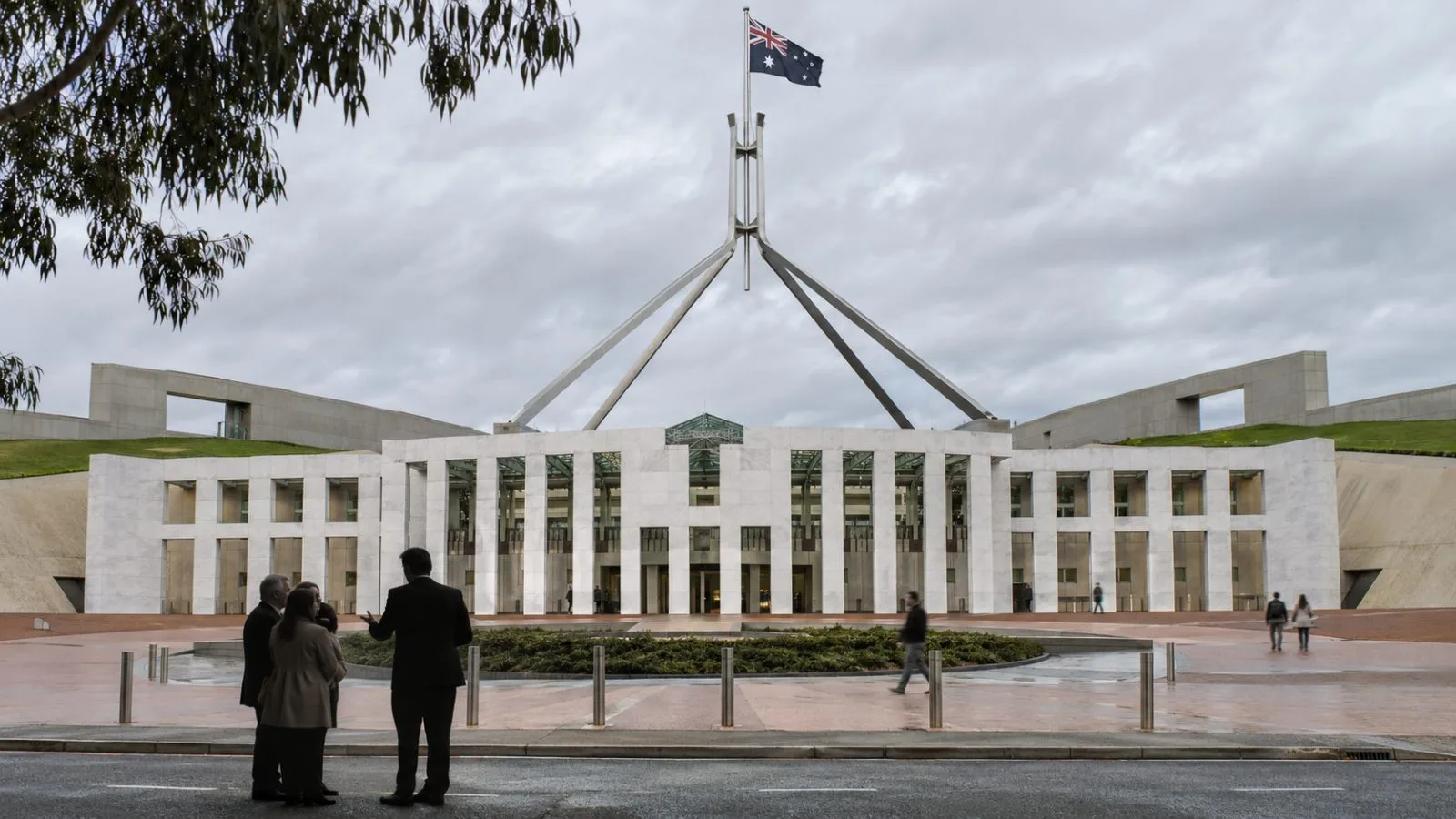
Australia’s national security monitor has urged Parliament to remove religion as a separate terrorism category and place faith-based beliefs under a broader ideology definition, saying the change would limit extremist propaganda.
The Independent National Security Legislation Monitor released the recommendation Nov. 19 after a 15-month review led by monitor Jake Blight. He said explicitly describing violence as religious in law can give offenders “false credibility” and contribute to discrimination against religious minorities.
“Having some terrorists recognised in the law as specifically advancing a religious cause gives the offenders exactly what they want,” Blight said.
Australia’s current definition covers acts intended to advance a political, religious or ideological cause when they involve serious physical, life, public-safety, property or electronic-system harm and are meant to intimidate the public or coerce a government. A conviction for committing a terrorist act can carry life imprisonment.
The monitor proposed describing ideology as beliefs or ideas about how society or the world is, or should be, understood. Its examples include nationalism, politics, faith, philosophy and beliefs that one group is superior to another.
Blight said the wording would continue to cover violence linked to Islamic State, as well as racist, nationalist and other ideological threats. “This change will not narrow the definition of terrorism,” he said. “What it will do is provide a clear definition of ‘ideology’ which is necessary to protect us from new threats.”
The report recorded an 84% conviction rate for defendants associated with violent jihadist ideology, versus 50% for defendants associated with racist, nationalist and other ideologies. Other ideologies represented 25% of prosecutions relying on the terrorism definition over the past five years; in 2026, fewer than half of those charged allegedly supported violent jihadism.
The INSLM also proposed a standalone offense covering threats to carry out terrorism. Its recommendations would add hostage-taking to the harms covered by the definition, exempt exclusively humanitarian work and lawful conduct during armed conflict, and tighten tests for property or electronic-system damage.
The monitor called for an independent review of prevention measures and child safeguards. Children accounted for around two-thirds of people charged with terrorism in 2026 through Oct. 31, according to the report.
The monitor said the change would leave Australian Security Intelligence Organisation and police investigative practices and internal case classifications unchanged. The Office of the Special Envoy to Combat Islamophobia said removing religion as a motivating factor would focus terrorism law on violent conduct and extremist ideology rather than religious identity.
ABC News reported that the Australian Federal Police described the existing definition as “robust and effective,” while some national-security analysts warned that removing religion could reduce transparency about perpetrators’ motivations. The recommendations now require consideration by the Australian government and Parliament before any wording changes take effect.