Australia’s law reform commission has proposed a national surrogacy system that would broaden cost recovery and ease domestic access while keeping arrangements for profit or reward prohibited.
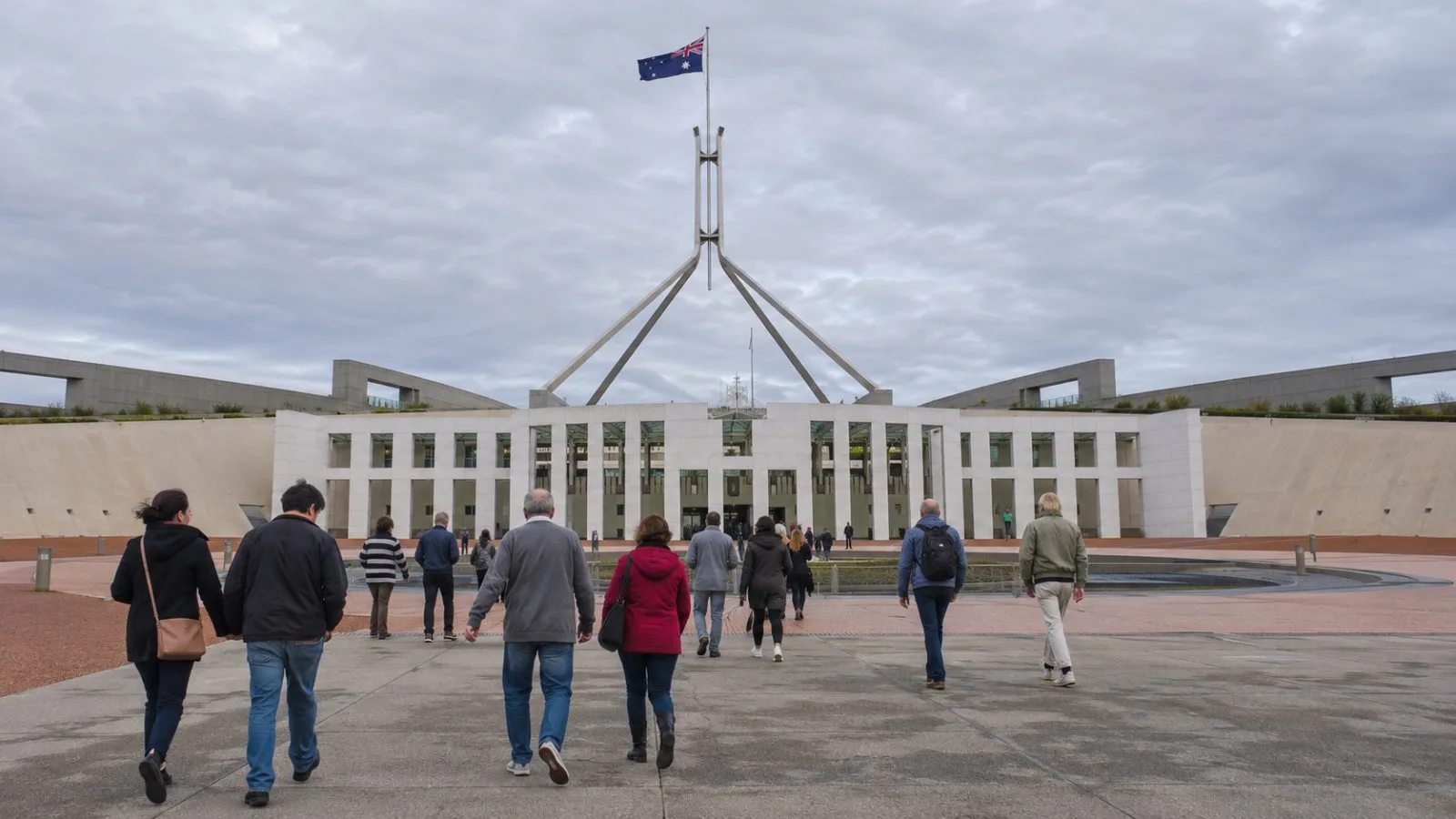
The Australian Law Reform Commission’s report, tabled in the Commonwealth Parliament on Nov. 17, contains 47 recommendations and calls for a national regulator. The commission favors uniform Commonwealth legislation. If that approach is not adopted, it recommends substantially aligned laws across states and territories. Governments would need to legislate for the proposals to take effect.
The plan would require intended parents to cover all reasonable expenses and economic losses connected to an arrangement. Eligible costs could include medical and wellbeing care, support for dependents, lost earnings including superannuation contributions, insurance and health care after pregnancy. This would give surrogates a way to recover a wider range of costs, with intended parents responsible for payment.
A surrogate could opt for a capped monthly payment for common non-economic effects, including physical or psychological impacts and reduced enjoyment of daily activities. The proposal also allows a separate capped payment after serious medical complications. The report leaves the payment limits to the proposed regulator and gives no dollar amounts.
For approved domestic arrangements, intended parents would have legal parent status from the child’s birth. A surrogate could apply to the Federal Circuit and Family Court of Australia within three months of birth for an order recognizing the surrogate and any partner as the child’s legal parents. The court could extend that period to six months in exceptional circumstances. The commission also proposes replacing existing criminal offences for prohibited domestic arrangements with civil penalties, while retaining the ban on surrogacy for profit or reward.
The ALRC says differing state and territory rules make domestic surrogacy difficult and can leave surrogates financially disadvantaged. It says those rules may contribute to intended parents pursuing arrangements overseas, where exploitation and other harms can pose greater risks. The commission estimates that about 80% of arrangements involving Australian intended parents take place abroad and that more than 300 Australian children are born through overseas arrangements each year.
ABC News reported that a federal government spokesperson said the Commonwealth had no plans for legislative changes “at this time.” The ALRC has scheduled a public briefing for 9 p.m. ET Thursday, Nov. 19 (1 p.m. AEDT Friday, Nov. 20), and recommends a statutory review after the proposed framework has operated for five to seven years.