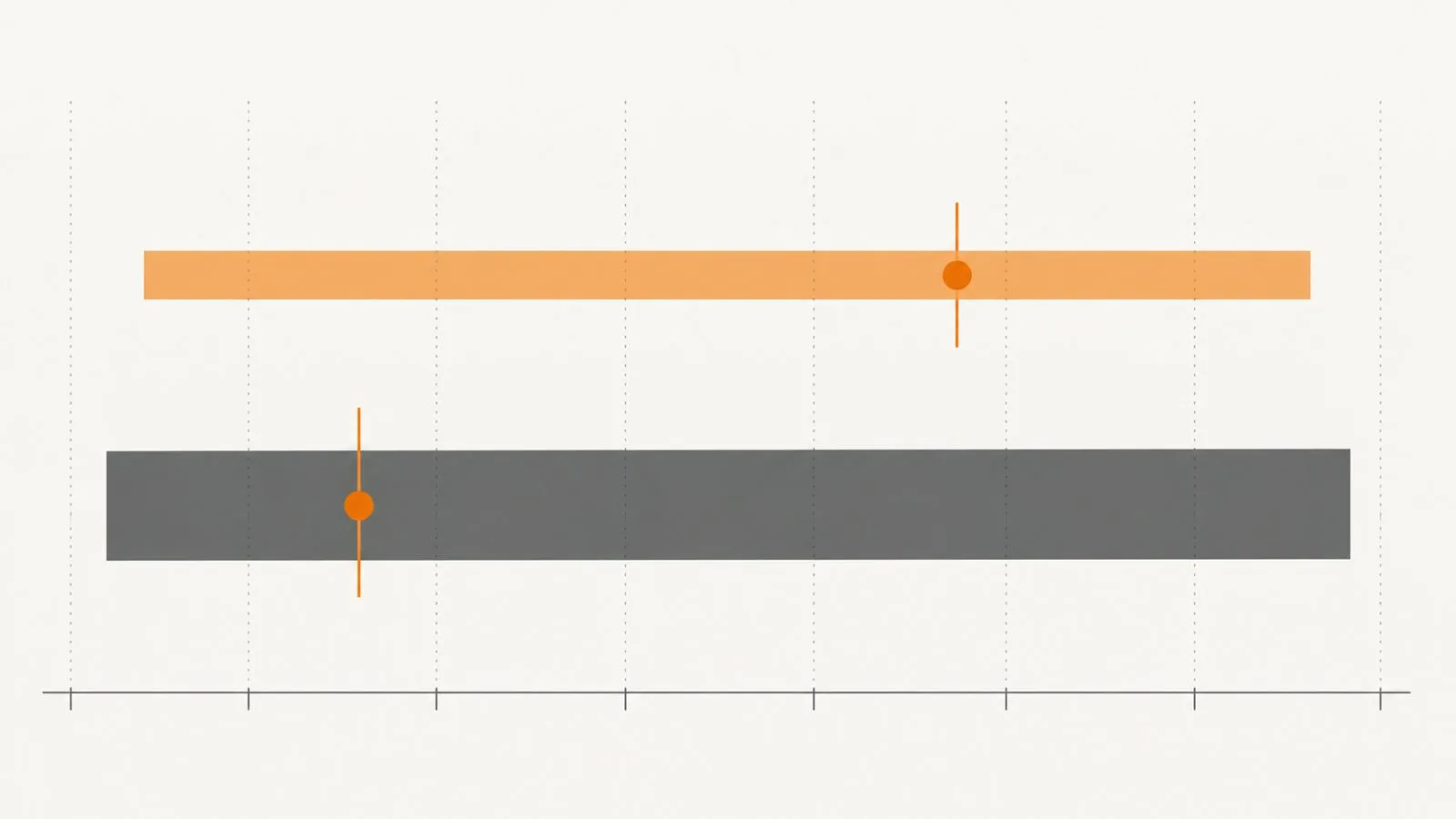
Bitcoin (BTC) has no price observations in the available series for the 2007-09 U.S. recession, so that record cannot show how the asset traded during the downturn.
The National Bureau of Economic Research dates the recession from December 2007 to June 2009. Satoshi Nakamoto introduced the proposal in an Oct. 31, 2008, message to a cryptography mailing list, outlining electronic payments directly between users. The message came before the downturn ended; Bitcoin's payment design does not supply missing prices from that period.
The series' earliest observation falls on Dec. 1, 2014 — over five years after the recession's June 2009 close. The record therefore cannot show whether BTC rose or fell during the Great Recession.
A separate contraction from February to April 2020 is within the series, which shows BTC falling steeply in March before recovering later. On March 15, 2020, the Federal Reserve set the federal funds target range at 0% to 0.25% and outlined planned minimum increases of $500 billion in Treasury holdings and $200 billion in agency mortgage-backed securities holdings over the coming months.
Bitcoin's later recovery overlapped with the Fed's measures, but the shared timing does not demonstrate that those actions drove the rebound. Price history shows the order of events without identifying what prompted either move.
This leaves the 2020 downturn as the record's only U.S. recession case and a single example of a decline followed by recovery. Bitcoin's peer-to-peer design describes how payments are sent, but it does not establish whether BTC's market value is resilient in recessions.