Falling oil prices have left the US inflation fight unfinished as policymakers assess how energy costs spread through the economy, BNY senior market strategist Jeff Yu said in an interview.
Cheaper energy could ease the initial impact on consumer prices while leaving other price increases unresolved. Central bankers are watching those later effects, where “the journey is far from over,” Yu said.
Speaking on Reuters' Market Talk, published Nov. 10, Yu said markets were anticipating a move toward easing the conflict with Iran, although its eventual outcome remained unclear.
“I think the market is getting ahead of the direction rather than the destination,” he said. He said investors broadly expected tensions to ease but did not assume conditions would return to those before the war.
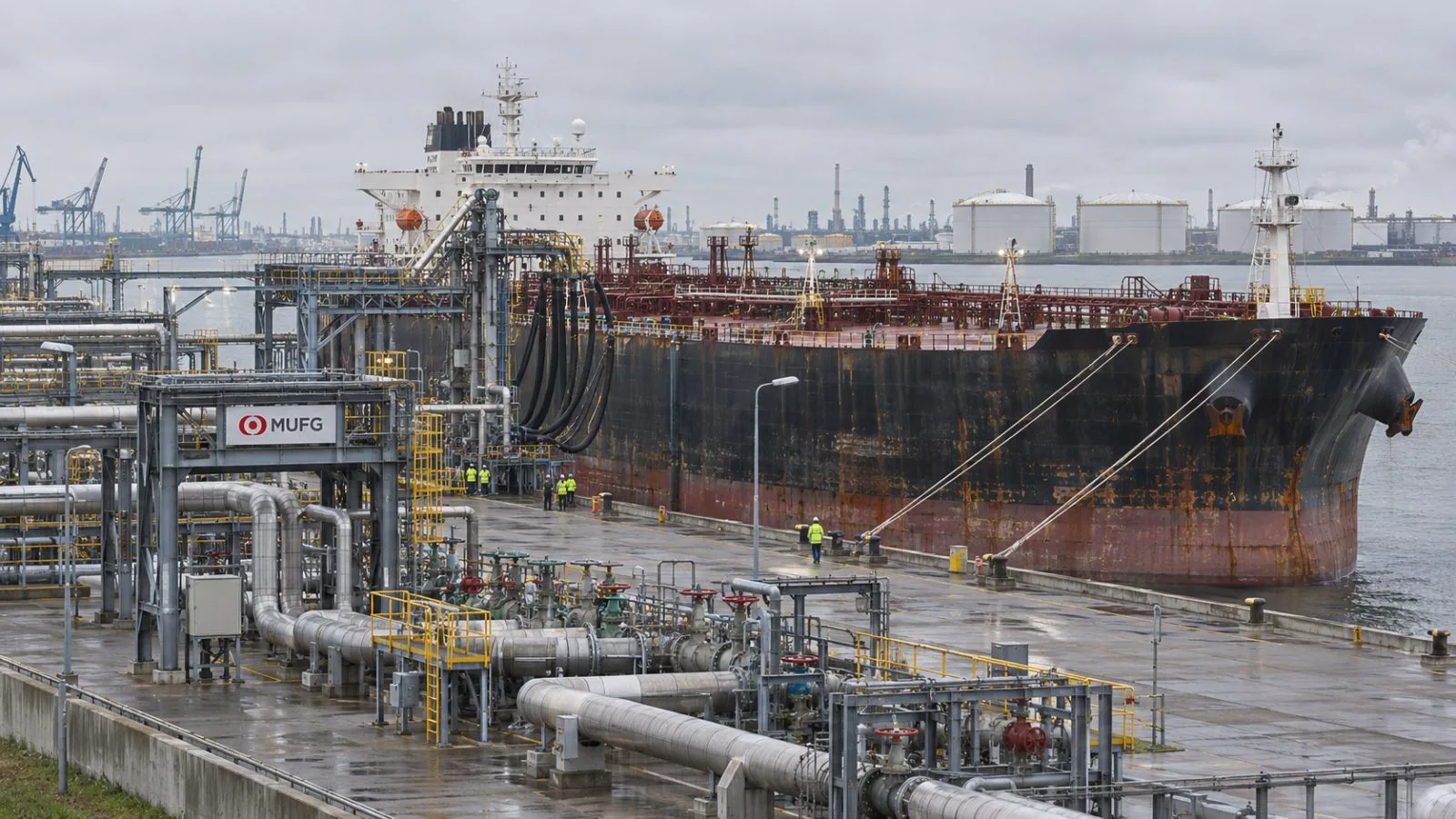
Avoiding fresh energy price spikes matters for central bankers trying to keep inflation expectations under control. Daily movements in Brent crude and European gas futures, contracts for future delivery, would help determine the inflation outlook over the coming months.
Yu said markets expected some slowing in headline US inflation, the measure covering all consumer prices. But he focused on whether energy costs would feed into other prices and keep inflation elevated after their initial impact.
He said some central bank policymakers had raised the possibility of an interest rate move larger than 25 basis points, or a quarter percentage point. Such comments did not surprise him if underlying inflation continued to exceed expectations. He did not specify which policymakers he meant.
Turning to the dollar, Yu distinguished between investors reducing their US holdings and protecting those investments against currency swings. He said additional currency protection had appeared particularly against the euro and the pound, but BNY's data did not show investors leaving US assets.
“Our data says otherwise,” he said of the suggestion that investors were exiting. He said US assets continued to perform well and the economy was doing well, giving investors no reason to move away. Some investors were adding protection to already large exposures.
On Europe, Yu said falling gas prices were welcome, with the European Central Bank watching how they would affect inflation next year. Its recent forecasts still pointed to inflation levels that made policymakers uncomfortable.
He accepted another interest rate increase as the market's base case, without giving a size. Clear evidence that broader price effects were contained could limit discussion of increases beyond those already anticipated. Lower energy prices could therefore help reduce expectations of further increases, while the conflict's outcome and the spread of energy costs remained unresolved.