BP will direct excess cash to Deepwater Horizon liabilities as it seeks to reduce $44 billion in total financial obligations, the company's chief executive, Meg O'Neill, said after meeting its net debt target.
The company put net debt at $13.9 billion, below the $14 billion to $18 billion target it set in 2025. Its broader obligations also include hybrid bonds, leases and payments linked to Deepwater Horizon.
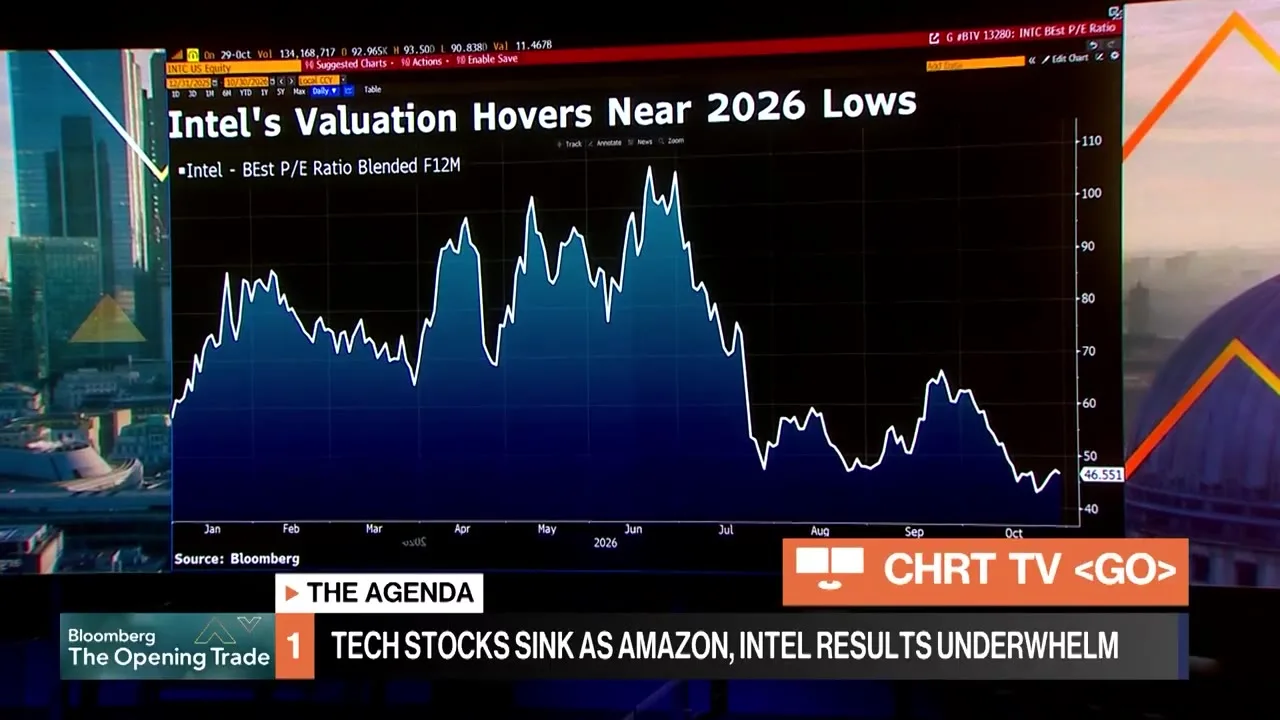
O'Neill discussed the priorities in an interview on Bloomberg Television's “The Opening Trade,” published Oct. 30. She did not give a timetable for reducing the broader obligations or specify when additional shareholder returns could follow.
“We continue to be more levered than many peers in our sector,” she said, referring to BP's debt burden. Stronger finances would help the business withstand lower oil and gas prices.
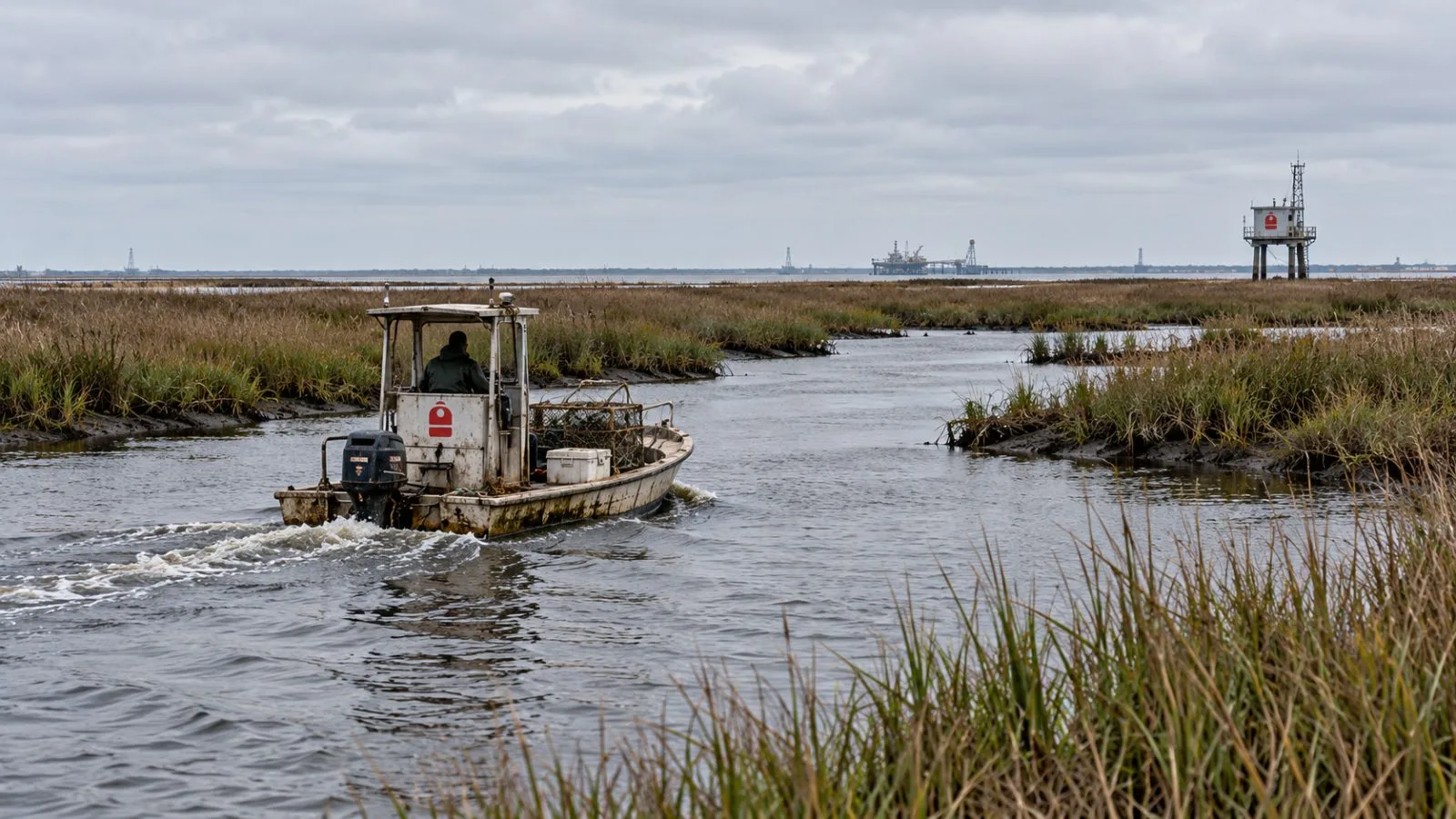
The company plans to use excess cash to address liabilities from Deepwater Horizon, where 11 men died. O'Neill also acknowledged the damage to Gulf states and the coastal environment.
Meeting the net debt target addressed only part of the company's financial commitments. The wider total remained the focus as BP considered how it would fund the business if oil prices fell.
Turning to refining, O'Neill put reliability at BP-operated refineries above 96% and use at around 90%. Strong operating performance allowed the business to benefit from high margins during the third quarter.
The company adjusted refinery production and moved fuel between markets as demand and prices changed. Its trading operations helped it respond to shortages in the products customers use, including diesel, gasoline and jet fuel.
Jet fuel prices rose sharply during the summer amid concerns about shortages. About a month before the interview, BP moved jet fuel from the United States to Europe to meet demand there.
Refining margins were softening in the fourth quarter. Reliable operations and the ability to move products between markets remained central to the company's approach.
BP's guidance called for fourth-quarter trading to return to more normal levels. O'Neill described that quarter as typically slower, with less liquidity, meaning less ability to buy and sell readily.
Market volatility could create trading opportunities, but the company would balance potential gains against risk and its cash needs. She gave no numerical forecast for trading results.
A strategy update expected in December would explain BP's financial plans and set targets investors could use to track progress. O'Neill reaffirmed commitments to the dividend and continued investment through commodity price swings.
Further shareholder rewards would depend on the opportunity to provide them. The strategy would continue to combine oil and gas production, refining and trading, with stronger finances underpinning those businesses.