Vedanta Oil and Gas recorded a ₹3.79 billion impairment on its Cambay block in Q1 FY27, citing no valid contract and uncertainty over asset recovery.
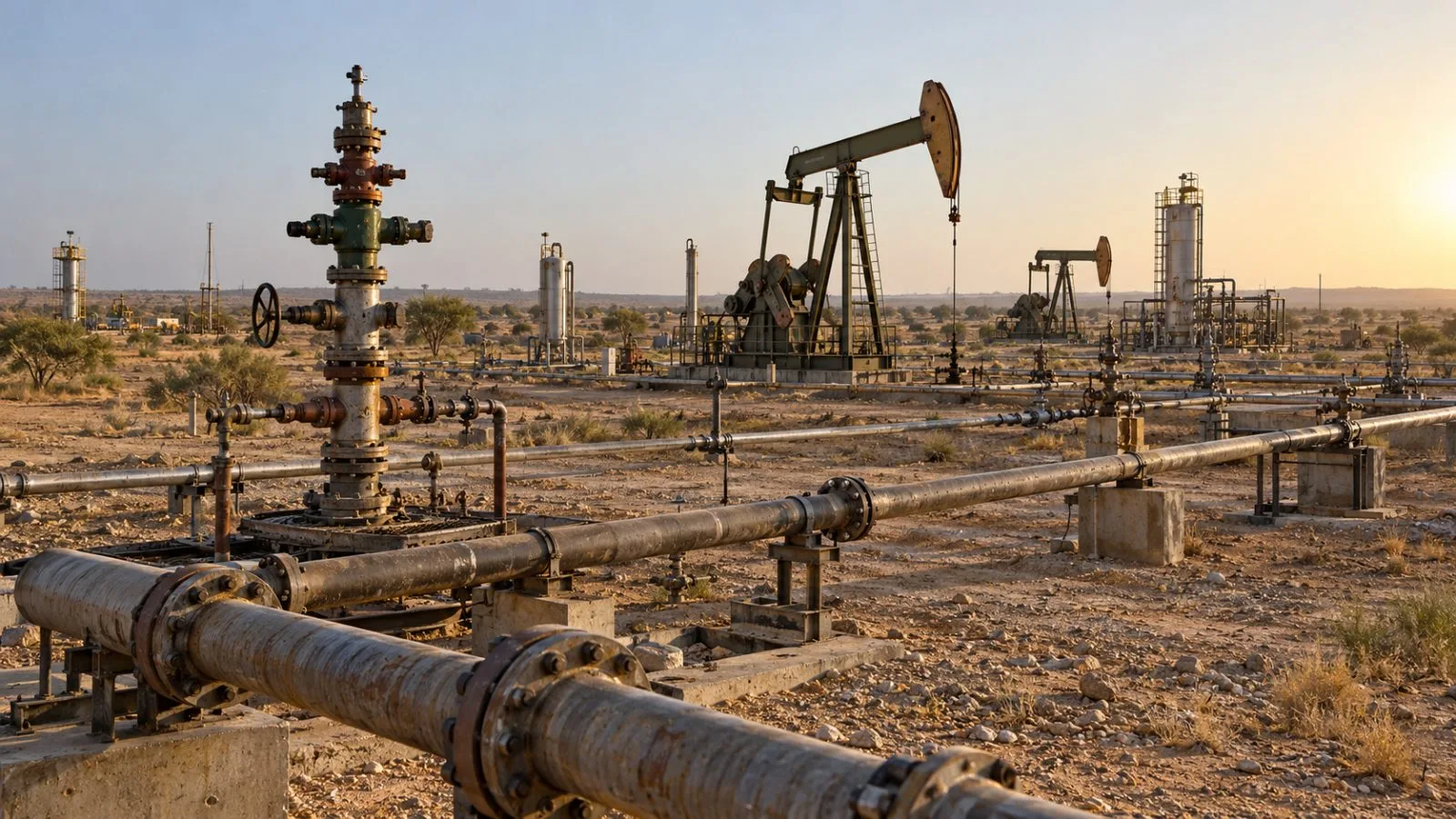
The case centers on how an expired production-sharing contract affects control of an operating asset while an appeal proceeds, an issue for global energy investors. The CB/OS-2 block is in Gujarat’s Cambay basin. Its contract expired June 29, 2023; the joint venture partners had sought a 10-year extension on June 28, 2021. India’s Ministry of Petroleum and Natural Gas rejected the request in a Sept. 19, 2025, letter.
The Delhi High Court dismissed Vedanta’s challenge on July 22, 2026. The judgment said the company’s unilateral deduction of $9.33 million, about ₹88 crore, from the government’s profit-petroleum share in connection with Special Additional Excise Duty liabilities could support rejecting the extension. Vedanta argued the contract allowed the adjustment and later paid the amount under protest.
Vedanta said it stopped recognizing Cambay revenue and related expenses under the July 22 order. ONGC said the government had named it to continue petroleum operations and that it assumed responsibility for the block and related assets on that date. Vedanta’s investor presentation dates the transfer of complete operations to July 24 and says Cambay production was counted through July 21. The disclosures do not explain the difference.
For the quarter ended Sept. 30, 2026, Vedanta Oil and Gas reported average gross operated production equivalent to 72,200 barrels of oil equivalent per day. That included 58,900 barrels of oil per day and gas production of 79 million standard cubic feet per day.
Vedanta Chairman Anil Agarwal described the transfer as “a very wrong signal to investors” and called for steady energy policy. He said Vedanta Oil and Gas was committing $5 billion to raise production to 300,000 to 500,000 barrels per day; his post gave no timetable or definition of the production measure.
Vedanta said hearings on its appeal concluded Oct. 1 and judgment was reserved. The company said it could not yet determine the case’s final outcome or financial impact, and it gave no date for a decision.