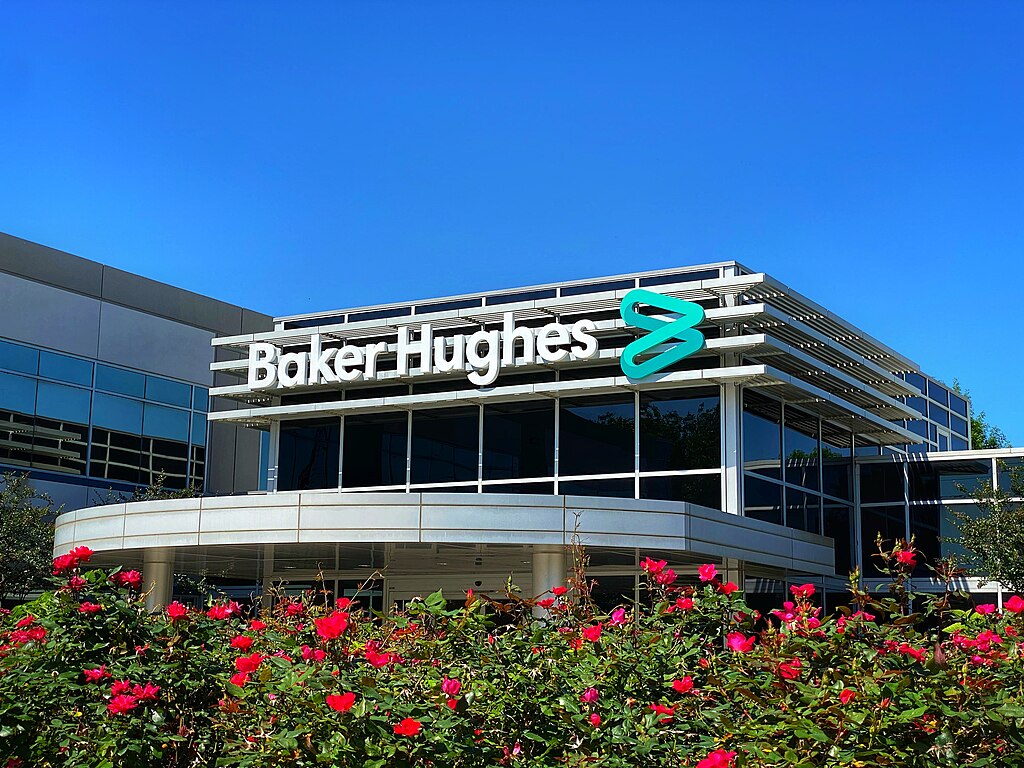
Baker Hughes reported an 11% increase in adjusted profit for the fourth quarter, highlighting the strength of its gas technology and industrial energy business as demand from liquefied natural gas (LNG) projects outweighed ongoing weakness in oilfield services. The Houston-based energy technology company continues to benefit from global investments in LNG infrastructure, even as lower oil prices pressure drilling and completion activities across key oil basins.
During the quarter ended December 31, Baker Hughes posted adjusted net income of $772 million, or 78 cents per share, compared with $694 million, or 70 cents per share, in the same period last year. The earnings growth reflects the company’s strategic focus on equipment and services such as gas turbines and compressors, which are in high demand among LNG developers worldwide.
Revenue from Baker Hughes’ industrial and energy technology segment, which includes gas technology and services and accounts for just over half of total company revenue, rose 9% year over year to $3.8 billion. This growth was driven by robust LNG development activity, strong demand for gas infrastructure, floating production, storage and offloading units, and continued investment in power systems. The company expects this momentum to continue, with industrial and energy technology orders forecast to remain at strong levels.
In contrast, revenue from the oilfield services and equipment business declined 8% to $3.6 billion, reflecting reduced activity caused by weaker oil prices. Despite the revenue drop, Baker Hughes said disciplined cost savings and operational efficiencies helped support margins in the segment.
Looking ahead, Baker Hughes forecast mid-single-digit growth in adjusted earnings before interest, tax, depreciation and amortization. The company expects margins in its industrial and energy technology business to expand toward its 20% target, while margins in the oilfield services and equipment segment are projected to remain relatively flat. During the quarter, Baker Hughes also recorded a $215 million restructuring charge as part of ongoing efforts to streamline operations and improve long-term profitability.
Overall, the results underscore Baker Hughes’ growing reliance on LNG and gas technology markets to drive earnings growth amid a challenging oil price environment.