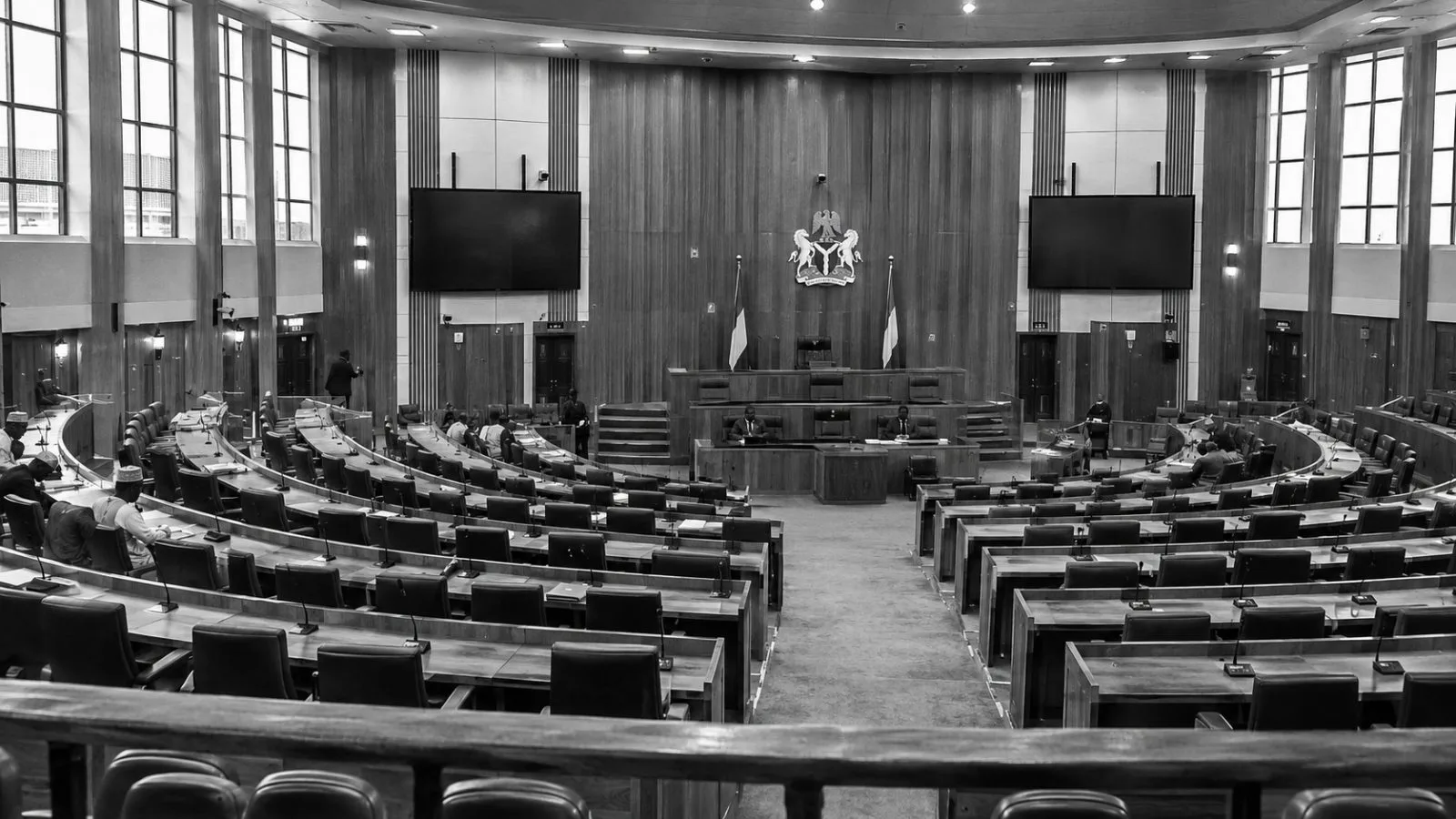
Nigeria’s constitutional review has produced two different Senate totals for reserved seats for women, with Senate Leader Opeyemi Bamidele describing 37 new places while a June National Assembly draft lists 12, leaving the allocation unsettled.
Bamidele spoke Nov. 2 at the Ekiti State Chapter of the International Federation of Women Lawyers (FIDA). Channels Television, Guardian Nigeria and Punch reported that he said the review committee was considering new seats for women in federal and state legislatures. The arrangement as Bamidele described it would assign a women-only seat in each chamber to every state and the Federal Capital Territory, expanding both chambers by 37.
Bamidele said the new places would sit alongside existing seats. At state level, the reported plan adds three seats to each of the 36 state assemblies. He said the arrangement would last 16 years, covering four election cycles, before a review.
Bill No. 20 in the National Assembly’s June 10, 2026, Prioritised Bills for Consultation with Executive compilation sets a different Senate allocation. It provides two women’s seats for each of six geopolitical zones, for 12 in total, alongside 37 House seats and three seats in each state assembly. The draft specifies selection through electoral colleges.
Premium Times reported Sept. 16 that the women’s seats measure had passed a second reading and was before a committee. Guardian Nigeria reported Sept. 24 that House Speaker Tajudeen Abbas said a presidential bill on women’s seats was being refined at the Ministry of Justice.
A July 2025 factsheet from the Policy and Legal Advocacy Centre (PLAC) counted four women in the 10th Senate and 16 in the 10th House of Representatives. PLAC said constituency contests and party nomination choices can work against women, with parties often favoring incumbent men. It also cited the 2008 Uwais Electoral Reform Panel’s recommendation for 108 additional legislative seats, with 30% for women. PLAC estimated that additional National Assembly seats would increase the annual national budget by less than 1%.
Clerk to the National Assembly Kamoru Ogunlana said Sept. 22 that only the State Police amendment had been sent to state Houses of Assembly. He said the remaining amendment bills would be sent after both chambers approved the same text. Under the National Assembly’s process, at least two-thirds of all members in each federal chamber must approve a constitutional change, followed by approval from at least 24 of the 36 State Houses of Assembly.