Dangote Petroleum Refinery and Petrochemicals FZE’s proposed sale of a minority stake points to a valuation near $47 billion, which would rank it as Africa’s biggest public listing provided the final transaction reaches that valuation.
Investors were offered the shares at 525 naira each. Dangote Refinery said demand exceeded the available supply and reported interest from 120 countries, spanning all 54 African nations.
At an early-September launch, Aliko Dangote, founder of the refinery and president and chief executive of Dangote Industries Limited, said buyers could start with 10 shares. At 525 naira apiece, that entry order would total 5,250 naira.
Dangote framed the offer as a chance for ordinary Nigerians and Africans to take ownership in the facility. A completed transaction at roughly $47 billion would give the refinery the continent’s largest public listing, subject to reaching that valuation.
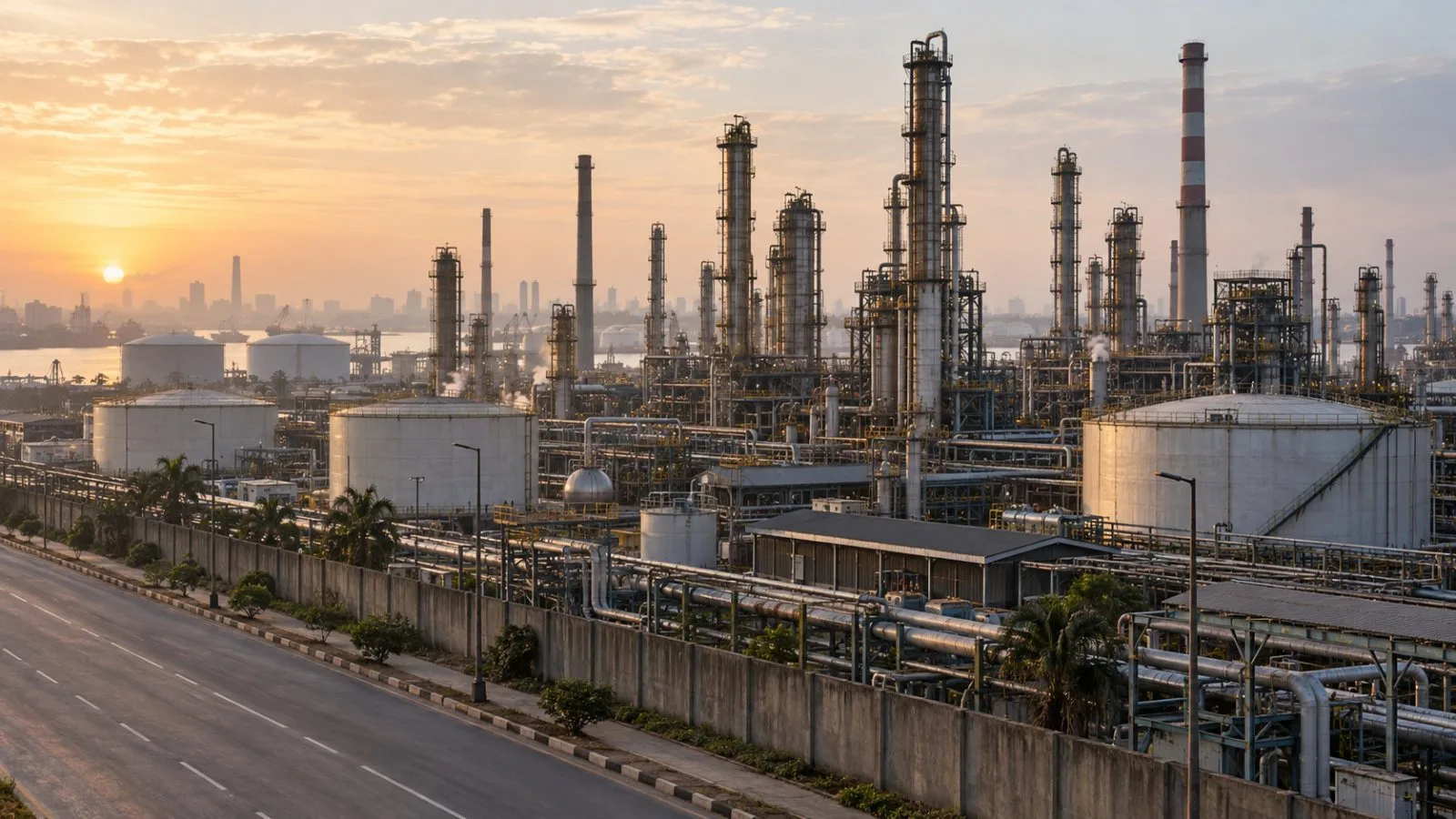
The facility in Lagos cost about $20 billion to build and entered service in 2024. Its crude-oil distillation system is rated for 650,000 to 700,000 barrels per day.
Dangote Refinery intends to lift that capacity to 1.4 million barrels per day by 2029. It now supplies refined products to Atlantic Basin markets and is a major source of jet fuel.
Shipments of refined products rose to 575,000 barrels per day during the first three weeks of November, above the 550,000-barrel-per-day record recorded in October. The January-to-October average was about 400,000 barrels per day, approximately 50% more than in the corresponding period a year earlier.
Mick Strautmann, a market analyst, said the refinery is increasing Atlantic Basin fuel availability and cutting West Africa’s dependence on European imports. Cyril Widdershoven, a maritime, energy and geopolitical analyst, questioned the project’s construction cost and commissioning delays, as well as the possibility that new capacity could arrive during a period of weaker refining margins.