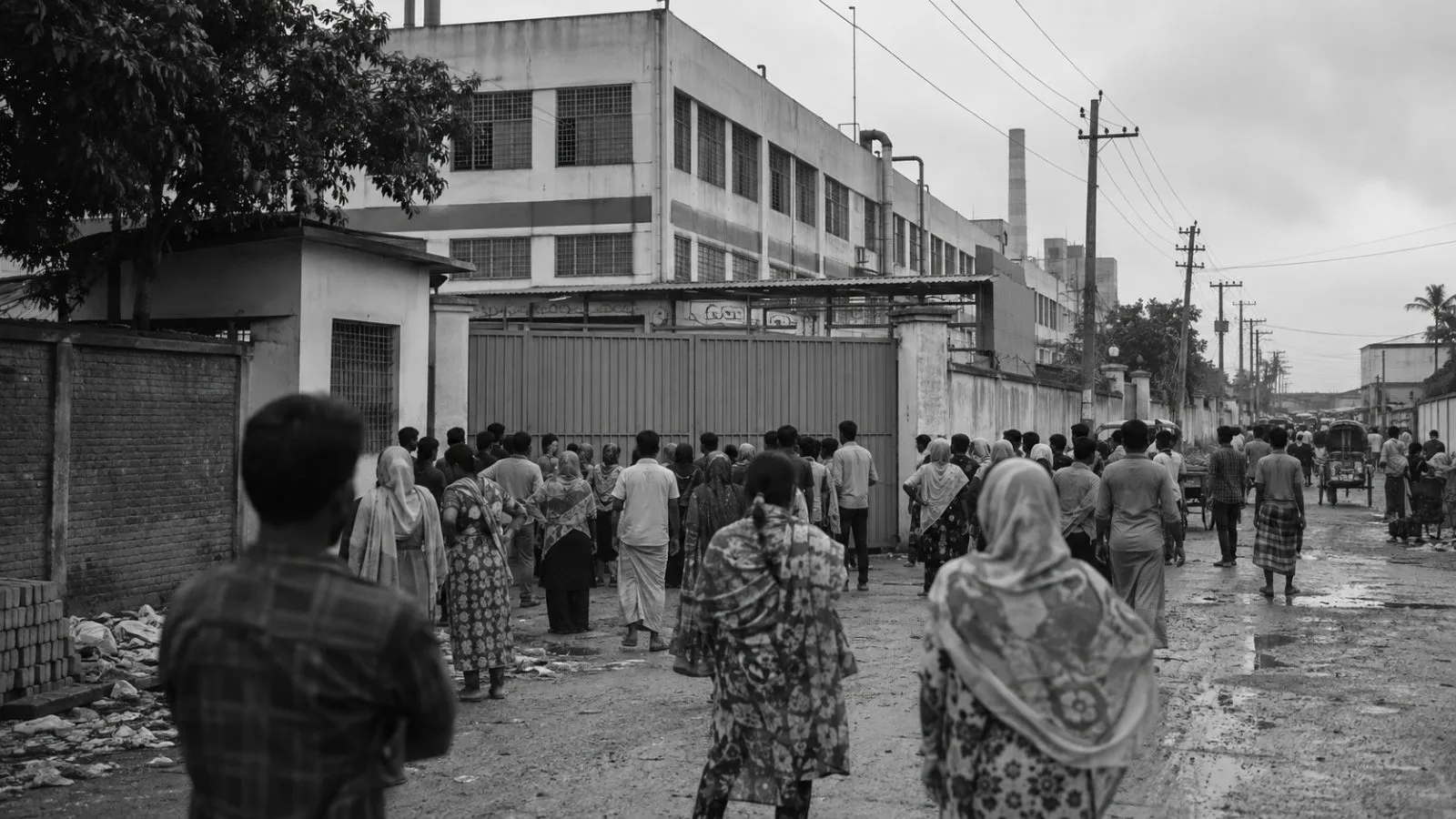
Bangladesh’s garment wage protests have halted work at hundreds of factories as workers seek a 30,000-taka monthly floor and a new wage board prepares to review pay, Reuters reported.
Workers want a monthly minimum of 30,000 taka ($243), compared with the current floor of 12,500 taka. They say food, housing and other necessities have grown too costly for their wages to cover, Reuters reported. “Every month is a struggle,” garment worker Bithi Begum told Reuters.
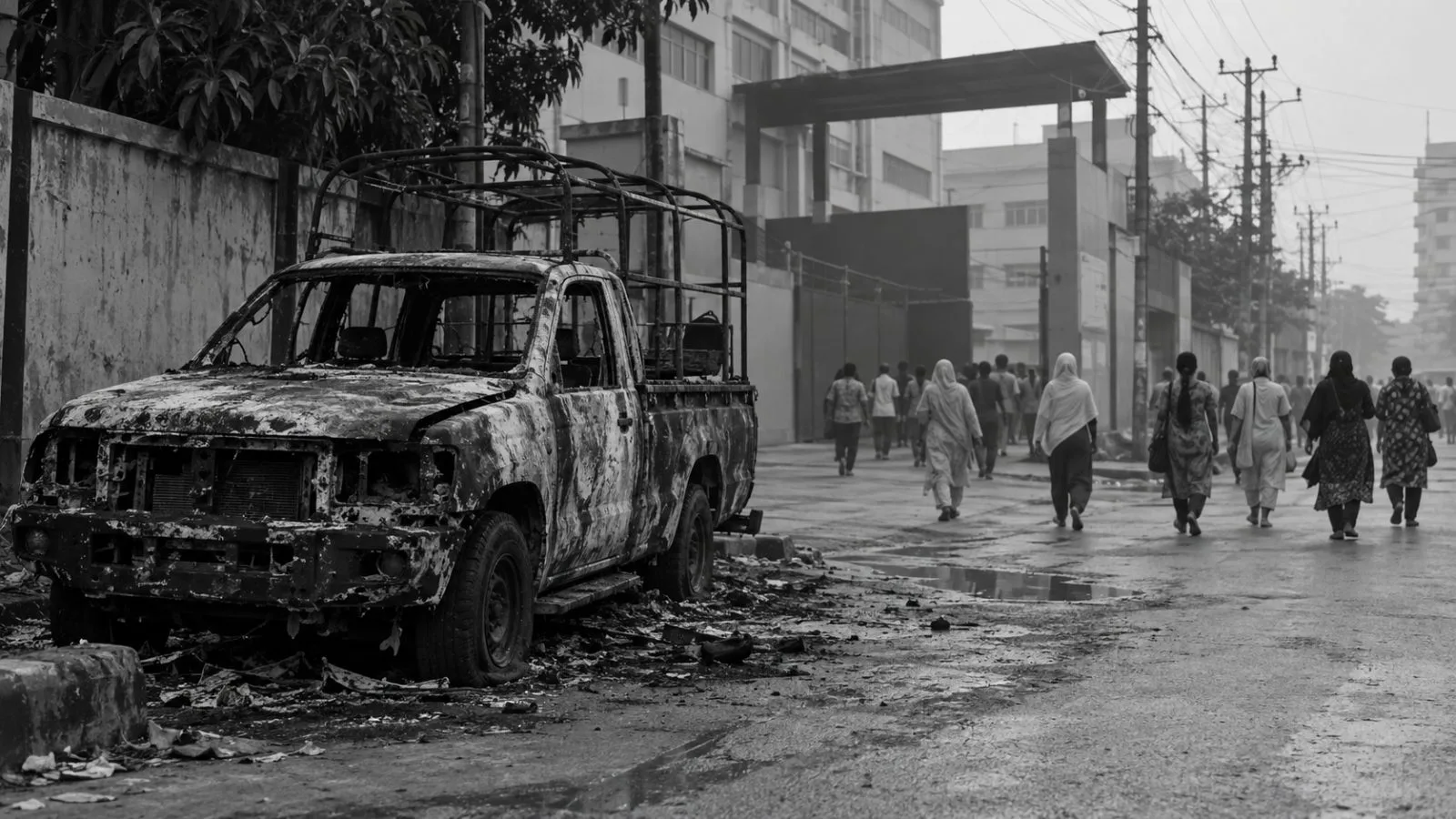
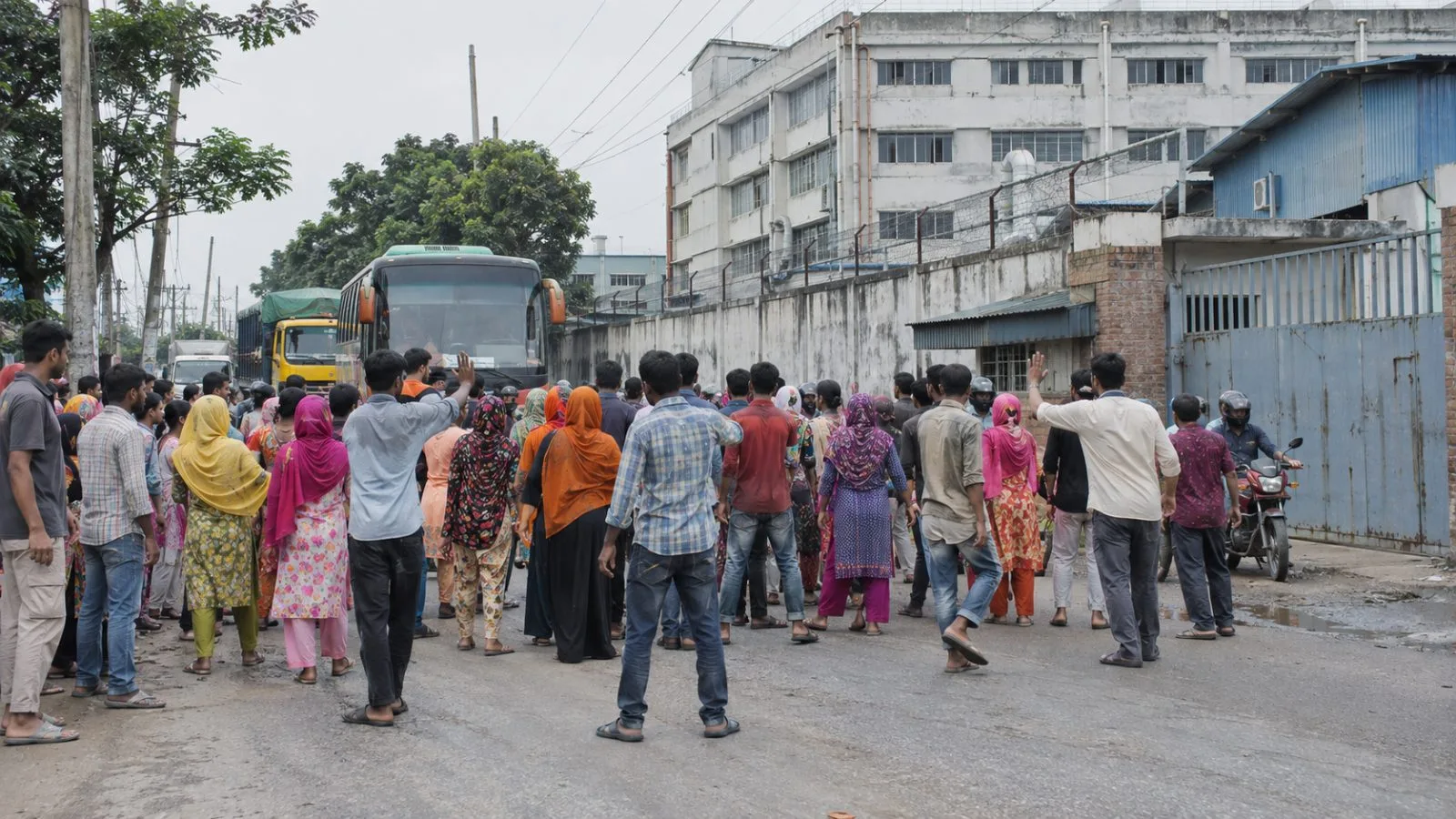
Wednesday marked the fifth day of demonstrations. Police and workers confronted each other in Savar and Gazipur, manufacturing zones outside Dhaka, Reuters reported. Protesters blocked major roads and highways, while police deployed tear gas and sound grenades. Some factories paused production over concerns about further unrest.
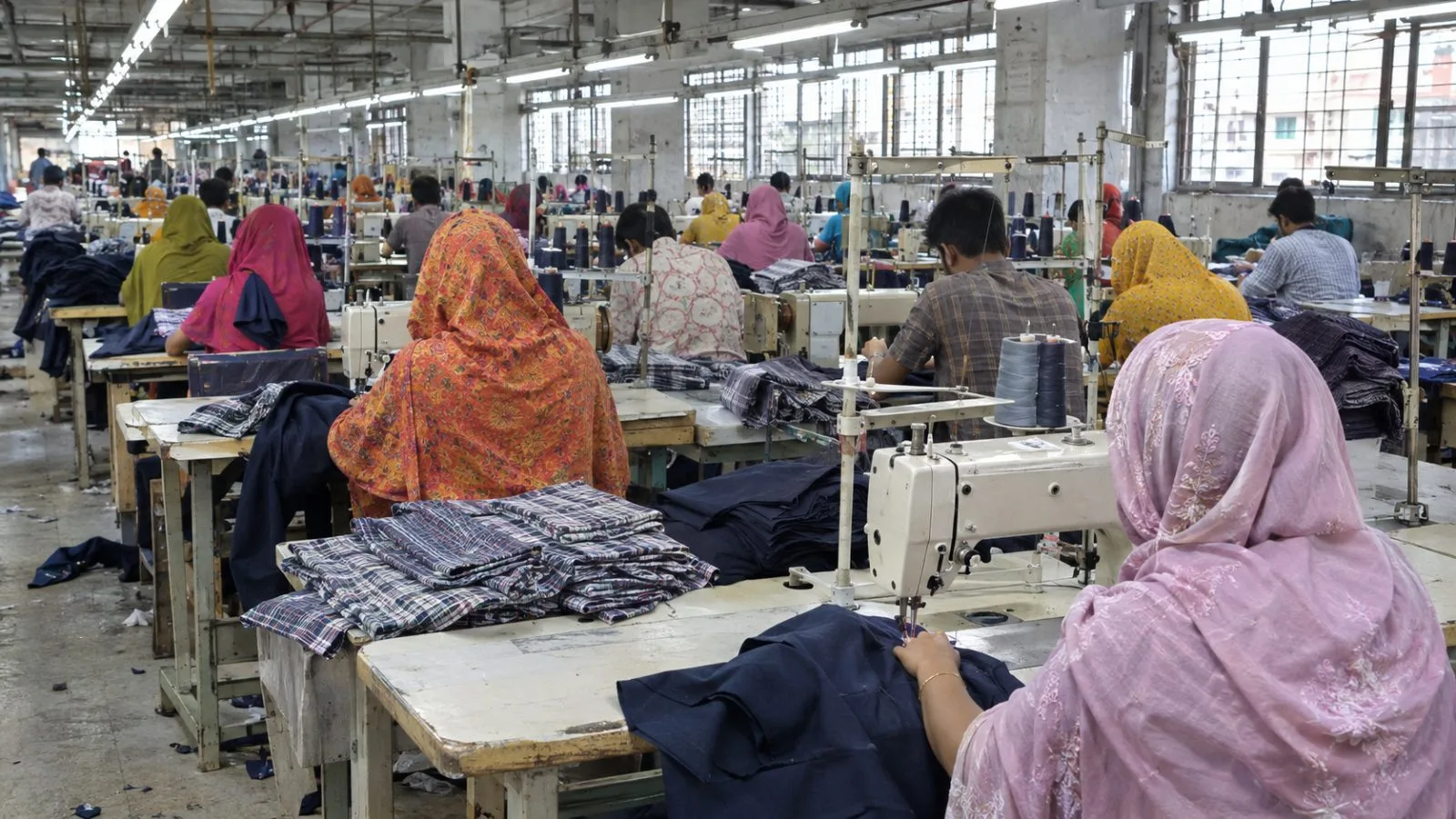
Reuters said the stoppages heightened concern about shipment delays. The garment industry employs about four million people and generates more than 80% of Bangladesh’s export earnings, the news agency reported. Bangladesh trails only China in garment exports. EconoTimes previously covered factory shutdowns in Ashulia and Gazipur.
The dispute is unfolding before a busy manufacturing period for spring and summer orders, Reuters reported. H&M told Reuters that temporary shutdowns at some factories had not caused major supply-chain disruptions for the retailer.
Manufacturers pointed to higher operating expenses and tougher regional competition. Reuters said they also raised concerns about uncertain energy markets linked to the Middle East conflict, along with weaker demand in major export markets.
University of Dhaka economics professor Selim Raihan told Reuters that productivity gains could enable Bangladesh to absorb a significant wage increase while maintaining its competitive position. He warned that continued labor unrest could undermine buyer confidence and delivery reliability. Raihan said international buyers should support improved labor standards through fairer purchasing terms and prices.
The six-member wage board includes worker and factory-owner representatives. Its first meeting was expected Wednesday, Nov. 4, to begin considering pay across the sector, Reuters reported.