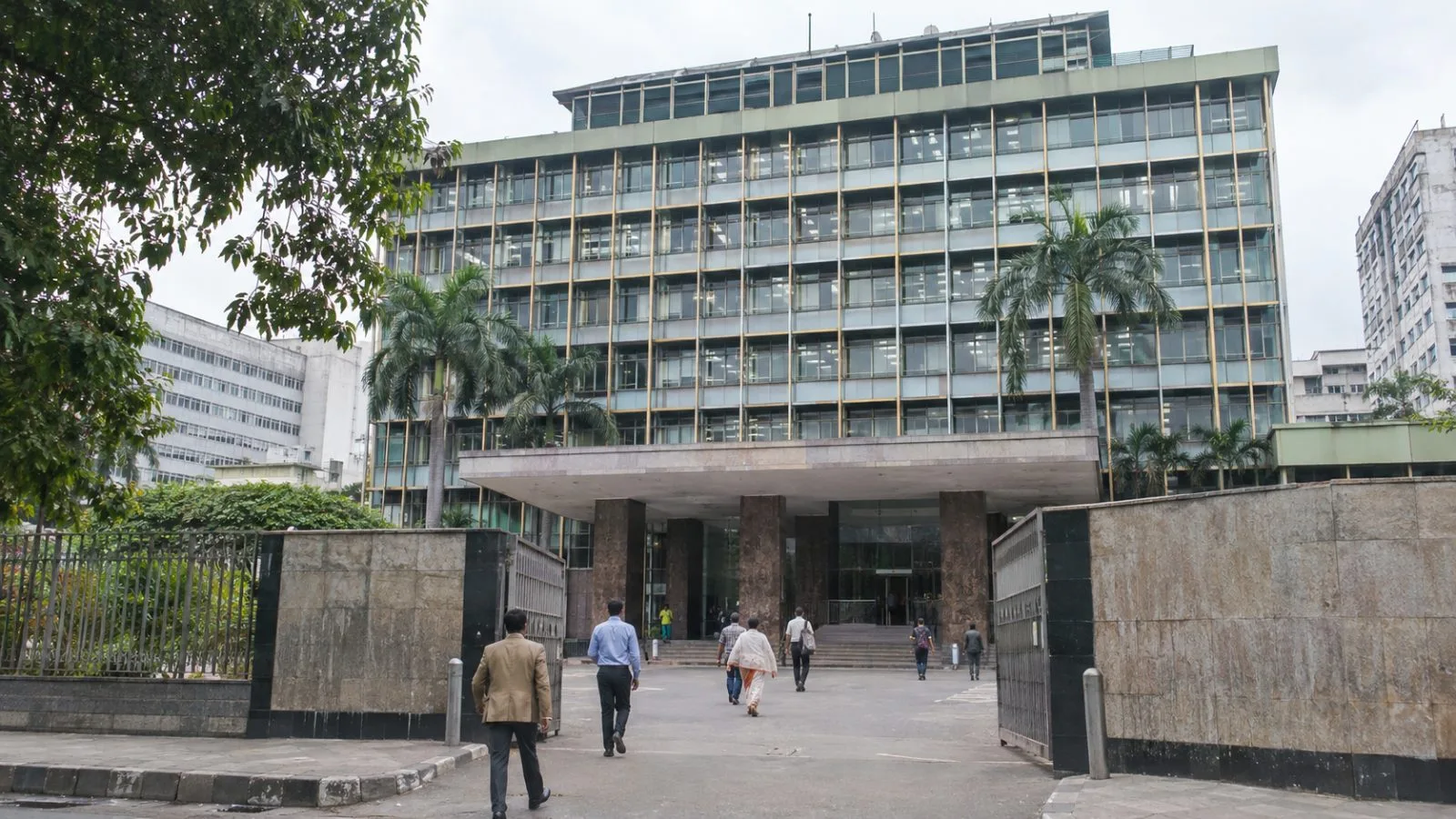
Bangladesh Bank, the country's central bank, reported the banking system's capital-to-risk-weighted-assets ratio at -3.80% in June 2026, underscoring strains the World Bank says are weighing on lending and investor confidence.
The figure fell from -3.17% in March and stood well below the 10% Basel III minimum. The systemwide measure did not describe every bank group: conventional private commercial banks and foreign commercial banks had positive ratios in Bangladesh Bank's June review.
Classified loans and advances made up 33.2% of total outstanding loans at June's end. That was up from 32.7% in March but below 34.6% in June 2025. The share reached 58.9% at full-fledged Islamic banks and 43.2% at state-owned commercial banks.
Bangladesh's authorities linked much of an earlier jump in classified loans to a 2024 rule change, according to a policy memorandum reproduced in an IMF report. A Bangladesh Bank circular ended a provision that could defer classifying some term loans for as long as 180 days after a missed payment. The authorities said reclassification largely explained the increase from 12.6% in June 2024 to 20.2% in December.
The World Bank has tied the sector's problems to governance failures, regulatory influence and lending to connected borrowers. The IMF separately cited weaknesses in bank ownership, related-party lending and supervision.
In its Oct. 6 update, the World Bank forecast 3.4% growth for Bangladesh in both FY26 and FY27. It also reported stalled job creation and estimated that 2.1 million more people were living in poverty in FY26 than in the previous year. The bank said financial-sector weaknesses were limiting credit and undermining investor confidence.
The World Bank approved $450 million in June for a project to protect small depositors and strengthen Bangladesh Bank's capacity to supervise lenders, plan bank resolutions and reform state-owned banks. Jean Pesme, the World Bank's division director for Bangladesh and Bhutan, said in an Oct. 6 statement, “The time to act is now.”