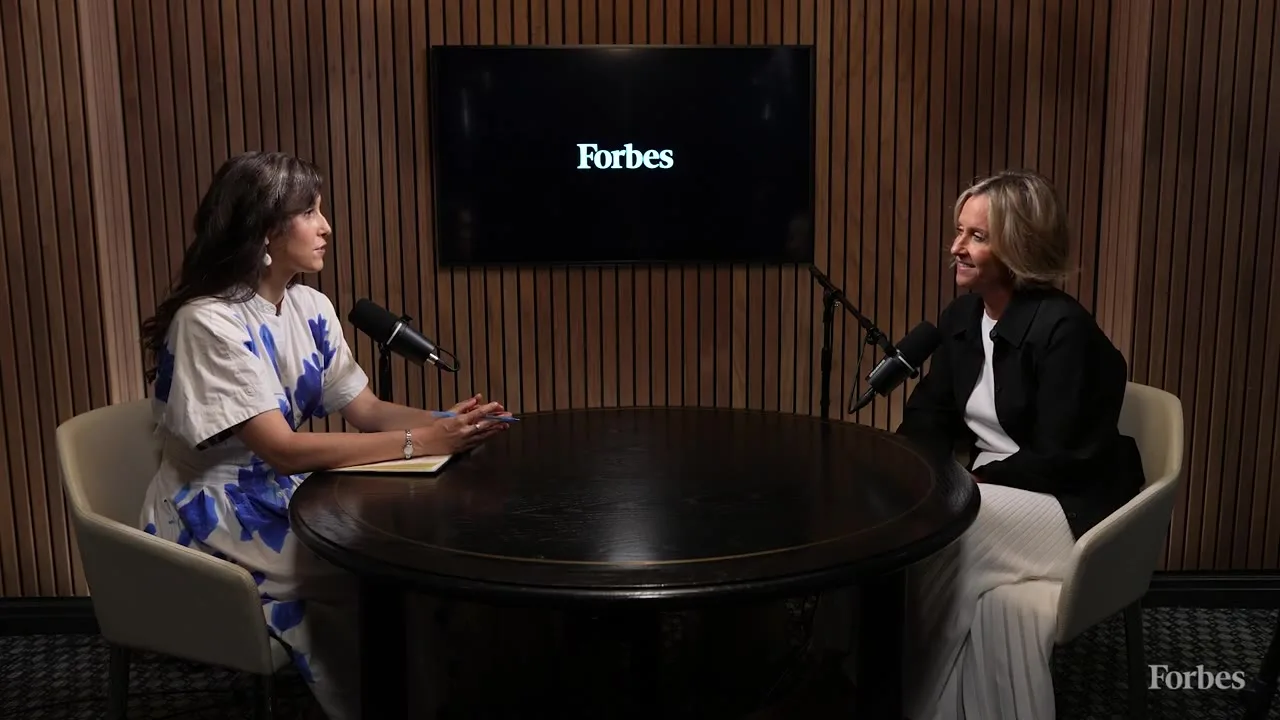
American consumers kept increasing their spending in 2026 despite concerns about the economy, Bank of America's president of consumer banking said in an interview published by Forbes on Oct. 21.
The gap between consumers' worries and their purchases means sentiment alone does not capture their financial condition, the executive said. Account balances remained above pre-pandemic levels, and the bank saw no broad credit problems.
Speaking on Forbes' Unscripted programme, the executive described the bank's assessment of its customers, saying its consumer business serves nearly 70 million people with everyday banking, borrowing and investment needs.
Spending continued to rise even after excluding higher gasoline costs in the spring, the executive said. Some customers shifted purchases toward cheaper goods when budgets tightened, while spending patterns differed across customer groups.
Travel spending had settled into more normal patterns after the surge following pandemic restrictions, the executive said. Customers continued paying for experiences, including concerts and sporting events.
“Consumers are saying one thing, but the behavior and the data is telling us something slightly different,” the executive said. Spending provided a stronger indication of economic health, while sentiment helped the bank understand customers' concerns.
Those concerns shaped the bank's efforts to provide financial education and budgeting information, the executive said. A prolonged gap between sentiment and spending would prompt closer scrutiny of the data and differences among customer groups.
The executive said the separation between sentiment and behavior might be permanent, partly because consumers receive information from many channels. The remarks did not specify a threshold that would make the gap a cause for concern.
Turning to artificial intelligence and employment, the executive said Bank of America employs more than 200,000 people and had welcomed 2,000 new hires that week. The executive expected to meet those recruits later that day.
The bank had retrained employees and changed its business through a decade of automation without large layoffs, the executive said. Artificial intelligence offered another opportunity to improve employees' tools and customers' financial planning.
“This will take place over the next decade,” the executive said. “This is not taking place over the next 12 months.” The bank still needed to experiment over the next two or three years.
The bank launched Erica, its virtual financial assistant, in 2018, and 24 million customers use it regularly, the executive said. New technology would give the assistant memory and make conversations more natural.
Customers using Erica would continue to have access to a human employee, the executive said. The remarks gave no timetable for the upgrades or numerical commitment on future staffing.