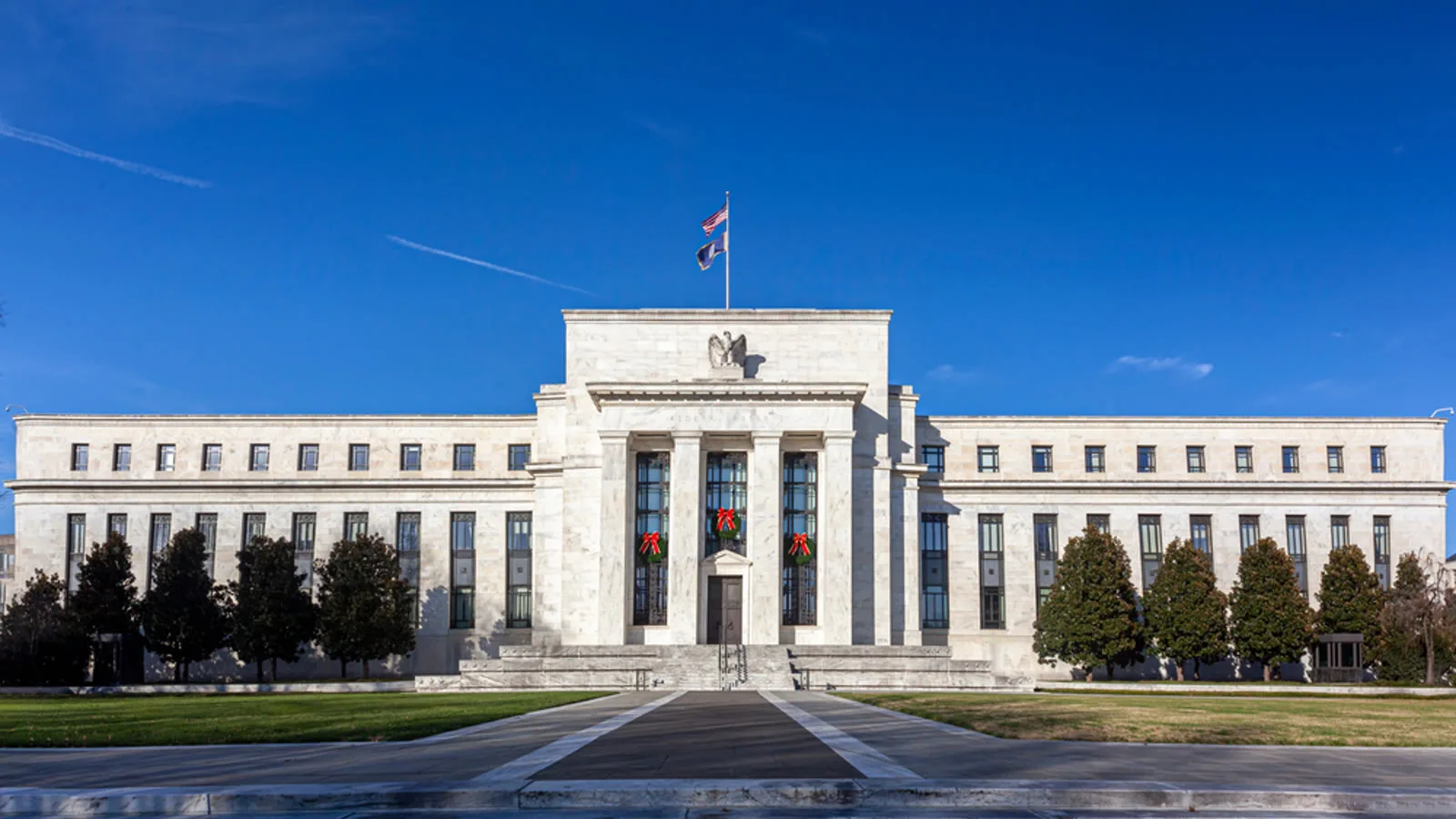
The Federal Reserve is more likely to raise interest rates than cut or hold them because inflation remains too high, Bank of America's head of US equity and quantitative strategy said.
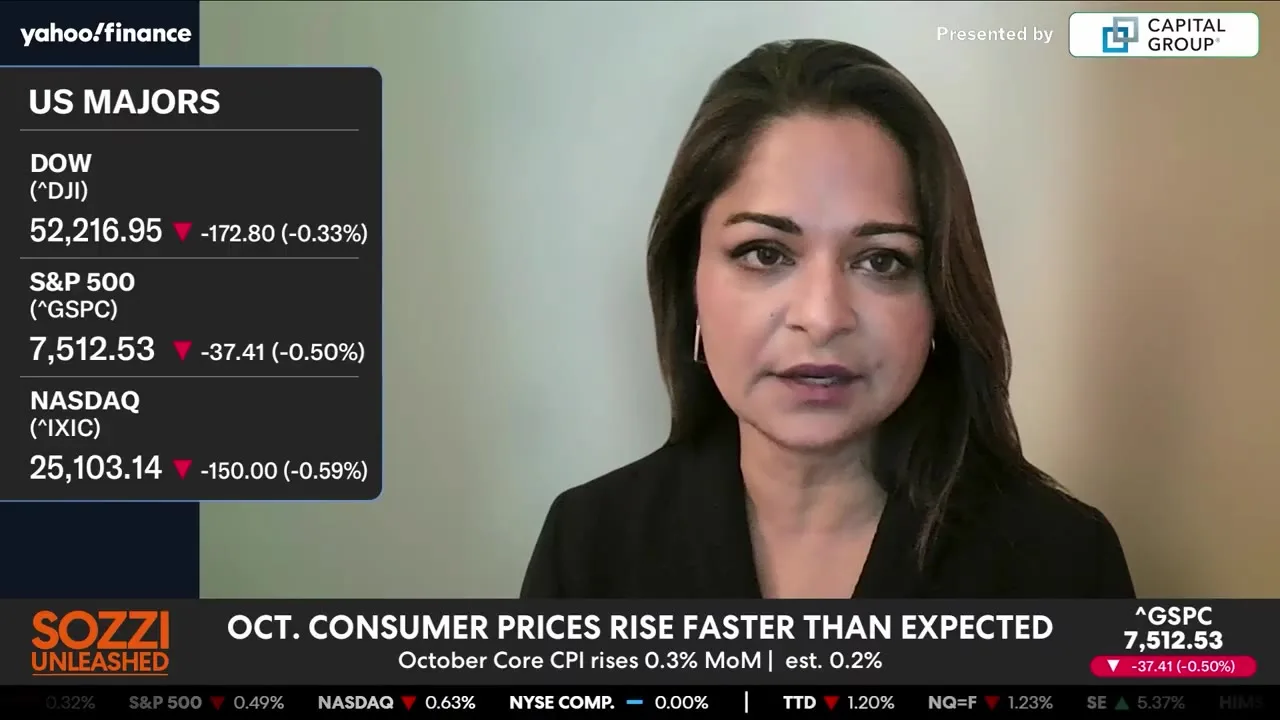
Policymakers are focused on containing inflation and keeping longer-term borrowing costs manageable. That could mean slowing business investment through higher short-term rates, the strategist said on Yahoo Finance's Sozzi Unleashed, published Nov. 10.
Business investment and stronger-than-expected growth have added to inflation alongside geopolitical risks. The aim would be to cool spending rather than stop it.
For stocks, swings in longer-term rates pose a greater concern than further Fed increases. Those rates influence property prices and other asset values, while higher short-term rates make cash more valuable.
Technology companies face constraints they did not face during the previous cycle of rate increases. In 2023, they cut capital spending, strengthened their finances and bought back shares, the Bank of America strategist said.
They are now issuing shares on balance, reducing their ability to support stock prices through buybacks. That makes conditions more complicated for the largest cloud computing companies.
Technology earnings estimates continue to rise, though more slowly. The unresolved question is whether spending by those companies or revenue from artificial intelligence will exceed expectations by more next year.
Investment has repeatedly exceeded expectations, while AI revenue has delivered fewer surprises. Companies have consequently needed to raise money to finance their expansion.
The strategist expects possible technology regulations to focus on security without stopping investment. Developments involving Nvidia point to the importance of national security and the possibility of greater government involvement.
“AI is not the metaverse,” the strategist said. Investment could spread over a longer period instead of taking place over the next two years.
Government involvement in chipmaking already includes a 10% Intel stake through the US Treasury, the strategist said, without specifying when it occurred. Support for maintaining US technological leadership spans both political parties.
Higher financing costs and the expense of building capacity could nevertheless draw more scrutiny. The strategist does not expect a Democratic election sweep to derail technology investment.
Lower longer-term Treasury yields could also help household spending over the next 12 months. The gap between existing mortgage rates and rates available now makes moving difficult for homeowners.
New household formation supports spending on expensive purchases and earnings at companies selling nonessential goods and services. Slower business investment could therefore accompany stronger consumption.
Many companies have prepared for higher rates and inflation by securing long-term debt at low fixed rates. Large cloud companies also borrowed earlier this year when rates were lower.
“We're not particularly bullish on the index,” the strategist said of the S&P 500. Investors' heavy stock holdings could create risks if they need to withdraw money.
The strategist described 30 to 40 years of annual inflows into S&P index investments and questioned what sustained withdrawals would mean. No rate forecast, index target or timetable for such withdrawals was given.