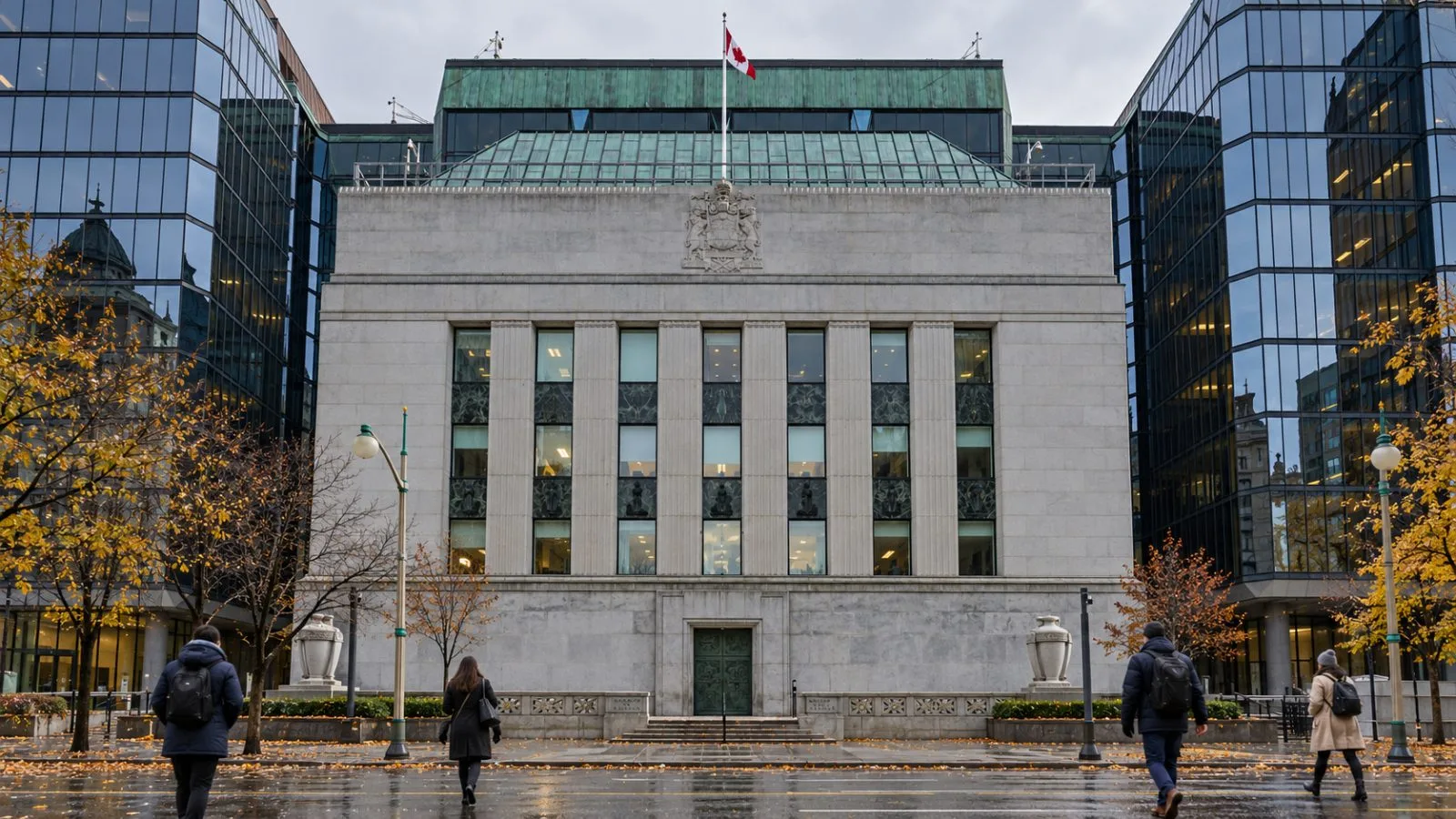
Canada’s central bank lifted its overnight rate to 2.5% as its inflation outlook grew more persistent, seeking to limit energy-related price increases beyond fuel despite signs of spare capacity.
On Oct. 28, the Bank of Canada announced a 25-basis-point increase from 2.25%, its first rise since July 2023. The Bank said elevated oil prices and refinery margins were adding to inflation worldwide.
Within Canada, the Bank’s surveys indicated businesses may pass more costs on to customers over the next year. Companies had absorbed most of the higher fuel expenses tied to production and moving goods so far, the Bank said.
Statistics Canada (StatCan) reported consumer prices rose 3.1% in September from a year earlier. Excluding gasoline, they increased 2.2%. The Bank’s forecast puts inflation near 3.5% at the end of 2026, with a 3% average in 2027 and a return to 2% around mid-2028.
Unemployment had stayed around 6.5% for several months, while broader indicators pointed to some excess supply, the Bank said. “There could be a need to raise the policy rate further, but given the uncertainties, we will proceed carefully,” Bank of Canada Governor Tiff Macklem said.
Reuters reported before the decision that the rate increase could raise bank lending rates and mortgage costs and slow growth. The Bank projects economic growth of 1% in 2026 and 2% in each of 2027 and 2028. Before the decision, EconoTimes covered expectations for a rate increase amid oil and inflation concerns.
The Bank’s next rate announcement is scheduled for Dec. 9.